
Adelaide's CBD is a young, secular, student-heavy square mile inside the parklands. Half its residents are aged 15 to 34. Few have kids. Even fewer claim a faith.
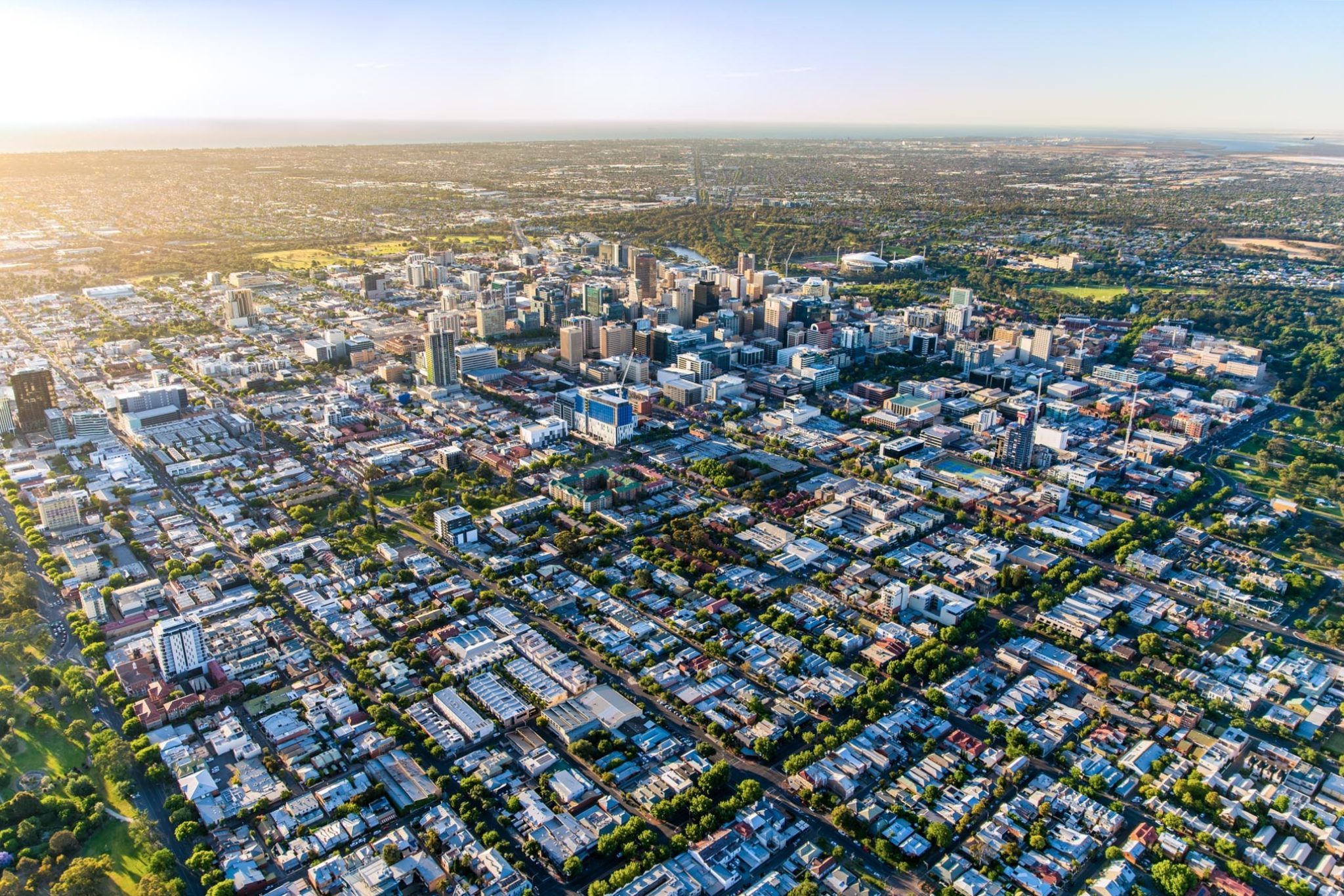
Adelaide proper is a one-mile grid wrapped in green parklands, laid out by Colonel Light in 1837 and barely altered since. Inside that grid sit three university campuses, the Central Market, the Festival Centre, Rundle Mall, and the laneway bars of the West End. Outside it, the suburbs sprawl north and south. But the CBD itself is its own small country.
The residential population has grown sharply over the past decade as apartment towers and purpose-built student accommodation have filled the grid. The people moving in are overwhelmingly young, single, studying or just starting out. The city earned the nickname City of Churches in the nineteenth century. The current generation of residents has largely walked away from them.
Inside the towers, loneliness is the quiet epidemic. International students arrive and leave in semester rhythms, leases turn over fast, and neighbours in the same building can go a year without speaking. Mental health pressures on young adults are well documented, and the CBD carries more than its share. Adelaide also has a real homelessness and rough-sleeping presence in parts of the grid, and a visible drug and alcohol scene around Hindley Street that the city has never quite resolved.
The anchors are festivals, food and the parklands. The Central Market is the closest thing the city has to a town square. Adelaide United and the Crows pull crowds across generations. The Fringe and WOMADelaide do something rare: they pull the whole city, locals and visitors, into the same streets at the same time. Beyond the events, it is the cafes, the small bars, and the universities that quietly do the work of holding people together.
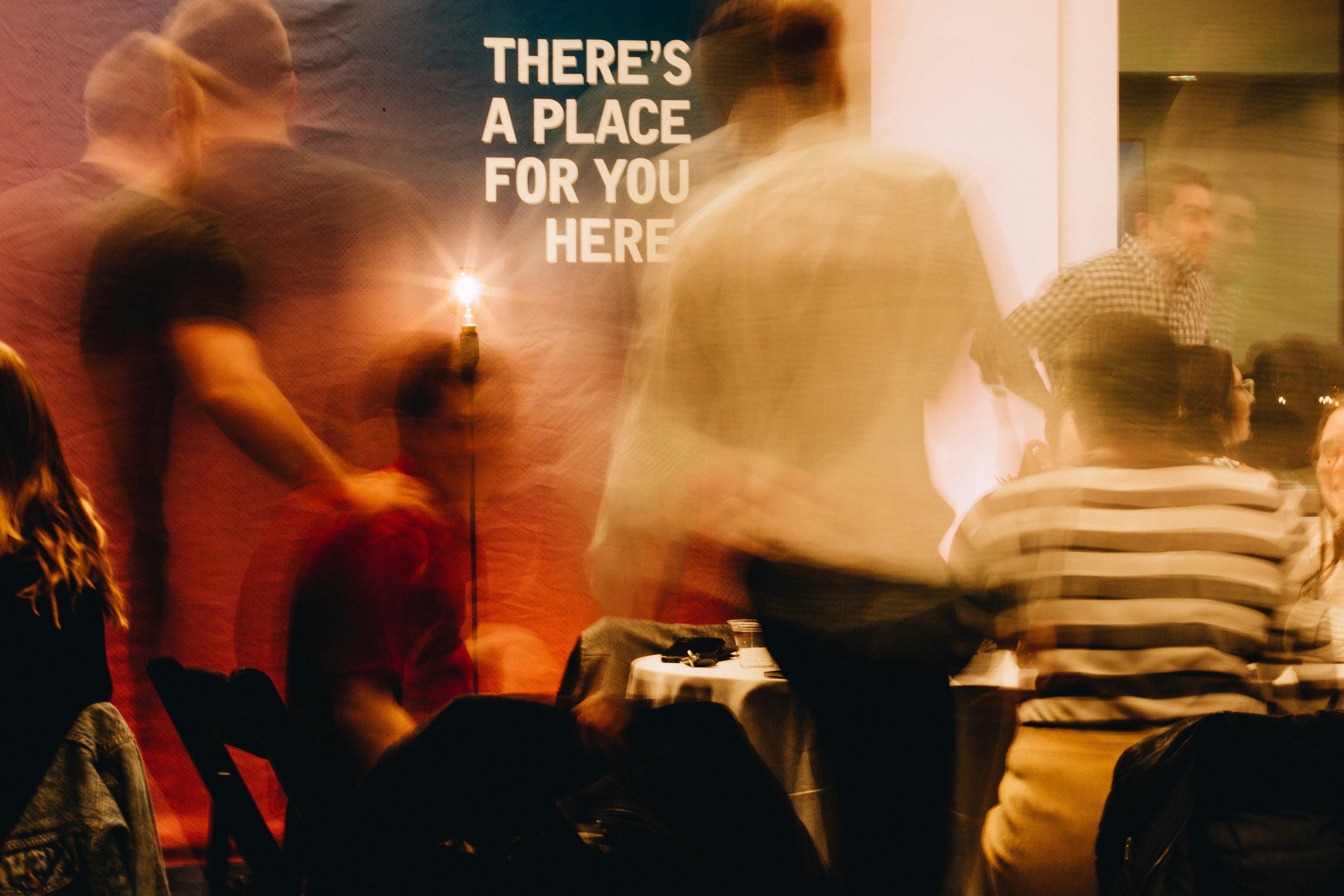
Few places in Australia concentrate this many young adults inside this small a footprint. Nine and a half thousand people aged 15 to 34 live inside one square mile, more than half the entire residential population. They study together, eat together, share apartments, and meet in the same handful of cafes and laneways. The relational density is unusual.
The cultural moment is also unusual. Adelaide is small enough that a thoughtful new community in the CBD can be noticed quickly. Festival season provides a built-in cycle of public touchpoints. The international student population provides a constant inflow of people open to friendship, hospitality and significant questions. And the entrenched secularity of the residential CBD means there are few cultural Christians and many genuine seekers.
The challenges are real. Transience is constant. Family-stage volunteers are scarce. The existing church scene is busier than the demographics might suggest. But for a planter wired for the city, who genuinely loves young adults and international students and is willing to build slowly and warmly, the opportunity in Adelaide's grid is one of the most distinctive in the country.
More than half of CBD residents tick no religion on the census, well above the national figure, and Christian affiliation sits at less than a quarter, almost half the national rate. The drift is not hostile so much as assumed. For a young apartment-dweller in central Adelaide, faith is simply not part of the conversation among friends, flatmates or colleagues. The city retains a deep Christian architectural memory, with cathedrals and steeples on most major corners, but the buildings outnumber the believers by a wide margin.

The CBD already has a thicker Pentecostal and charismatic presence than most parts of Australia. Futures Church (formerly Influencers, with ACC heritage going back a century), Adelaide Christian Centre, Life Christian Centre, Nova Church and Adelaide Adoration all gather inside the grid, and Edge Church, ACC churches and others sit a short tram ride away. Catholic, Anglican, Uniting and Orthodox cathedrals occupy prime city corners.
What is striking, given how many young adults live here, is how few of them are actually inside any of those buildings on a Sunday. The gap is not the absence of churches but the distance between the existing Christian community and the lived reality of secular, mobile, time-poor twenty-somethings in apartments. A church reading that gap well, and willing to engage international students, third-culture residents and young professionals on their own terms, would find plenty of room.
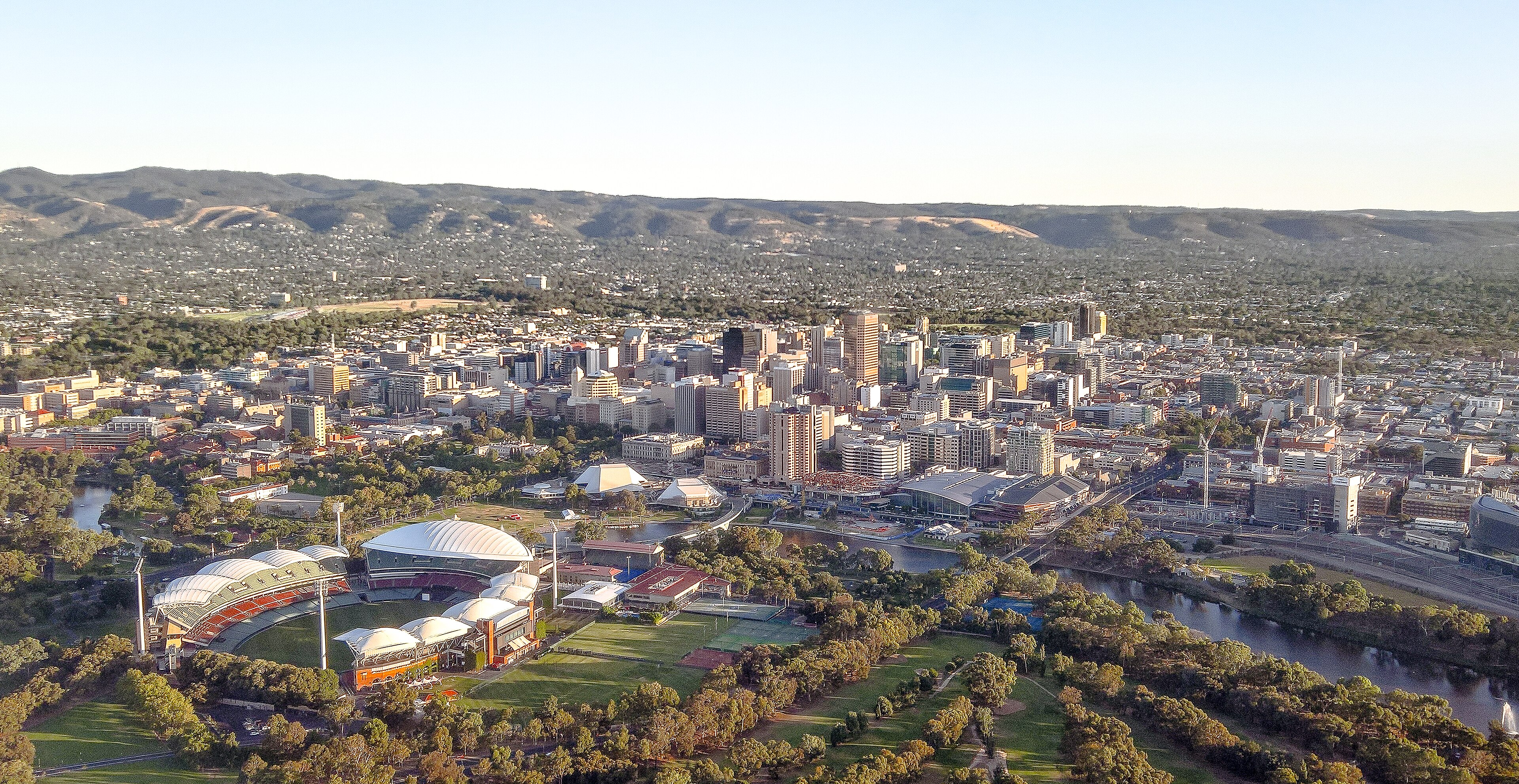
Cost of Living and Housing. The CBD is apartment country. Studios, one-bedders and shared student accommodation dominate, with rental prices noticeably below Sydney and Melbourne equivalents but climbing. Buying a small apartment is within reach of dual-income professionals; family-sized homes inside the grid are rare and expensive.
Schools and Kids. Very few children live in the CBD itself. The handful of families who stay tend to use Sturt Street Community School in the west end or Gilles Street Primary in the south-east. For secondary, most look to Adelaide High or Adelaide Botanic High on the parklands edge. The city is built for students, not toddlers.
Weekend Life. Saturday morning starts at the Central Market with coffee and a paper bag of stone fruit. Afternoons might mean a walk along the Torrens, an Adelaide United game, or the long stretch of parklands that ring the city. Sunday is brunch in a laneway, then the long flat ride down to Glenelg.
Town Centre and Vibe. The CBD itself is the town centre. Rundle Mall pulls retail, North Terrace pulls culture, Gouger and Hutt Streets pull dining. The grid is small enough to walk end to end in twenty minutes, which means residents bump into the same faces in the same cafes. It feels more like a country town than a capital.
Nightlife and Culture. The laneway bar scene came late but came hard. Peel Street, Leigh Street, Vardon Avenue. Live music at the Crown and Anchor and the Exeter. The Adelaide Festival, Fringe, WOMADelaide and the Cabaret Festival turn February and March into a month-long street party. The rest of the year is quieter, and locals like it that way.
Adelaide Airport. 15 minutes by car or a straightforward tram-and-bus run. The 20-minute-city tagline genuinely holds.
Glenelg and the western beaches. 25 minutes by tram, free inside the CBD, then a flat run down Anzac Highway. Saturday afternoons are full of the same trip.
The Adelaide Hills. 20 to 30 minutes east up the freeway to Stirling, Hahndorf and the wineries. Cool air, big trees, a different state.
Royal Adelaide Hospital. On North Terrace, walking distance from anywhere in the grid. The biggest health and biomed precinct in the state sits at the western edge of the CBD.
Three universities. The University of Adelaide, the University of South Australia and Torrens University all have city campuses inside or on the edge of the grid. Flinders has a small CBD presence too. Walking distance to all of them.
Adelaide Oval and the Riverbank. 10 minutes on foot across the footbridge. AFL, cricket, concerts, the Convention Centre, the Casino. The cultural and sporting heart of the state.
Walk through the grid on a Tuesday at 8am and the foot traffic is overwhelmingly young. Students with backpacks heading to North Terrace. International students from China, India, Vietnam, Malaysia and across Africa, often living in Scape, Yugo or UniLodge towers. Young professionals in suits cutting across Victoria Square toward the law and government precincts. A growing cohort of remote workers in the cafes by ten.
By night the demographic shifts but stays young. The 15-to-34 cohort makes up more than half of all residents inside the grid, more than double the national average. Families with children are scarce. Older empty-nesters who have downsized into apartments are the other significant group. The cultural mix is more diverse than the rest of South Australia, with strong East Asian, South Asian and African student communities, alongside a long-standing Italian and Greek heritage that still shows up in the bakeries and the football clubs on the parklands.
Urban by instinct. Comfortable in cafes, on trams, in apartment foyers. Genuinely curious about international students and able to lead a multicultural team without making it a project. Strong on hospitality, slow on hype.
Resilient with transience. People will arrive, get involved, finish their degree and move home or interstate within three years. A planter here needs to celebrate that instead of being crushed by it, and to build something that disciples people well in a short window.