
Once paddocks west of Ballarat, Alfredton is now the city's most populous suburb and the heart of a growth area set to absorb thousands of new homes. Families, professionals, and Melbourne movers keep arriving.
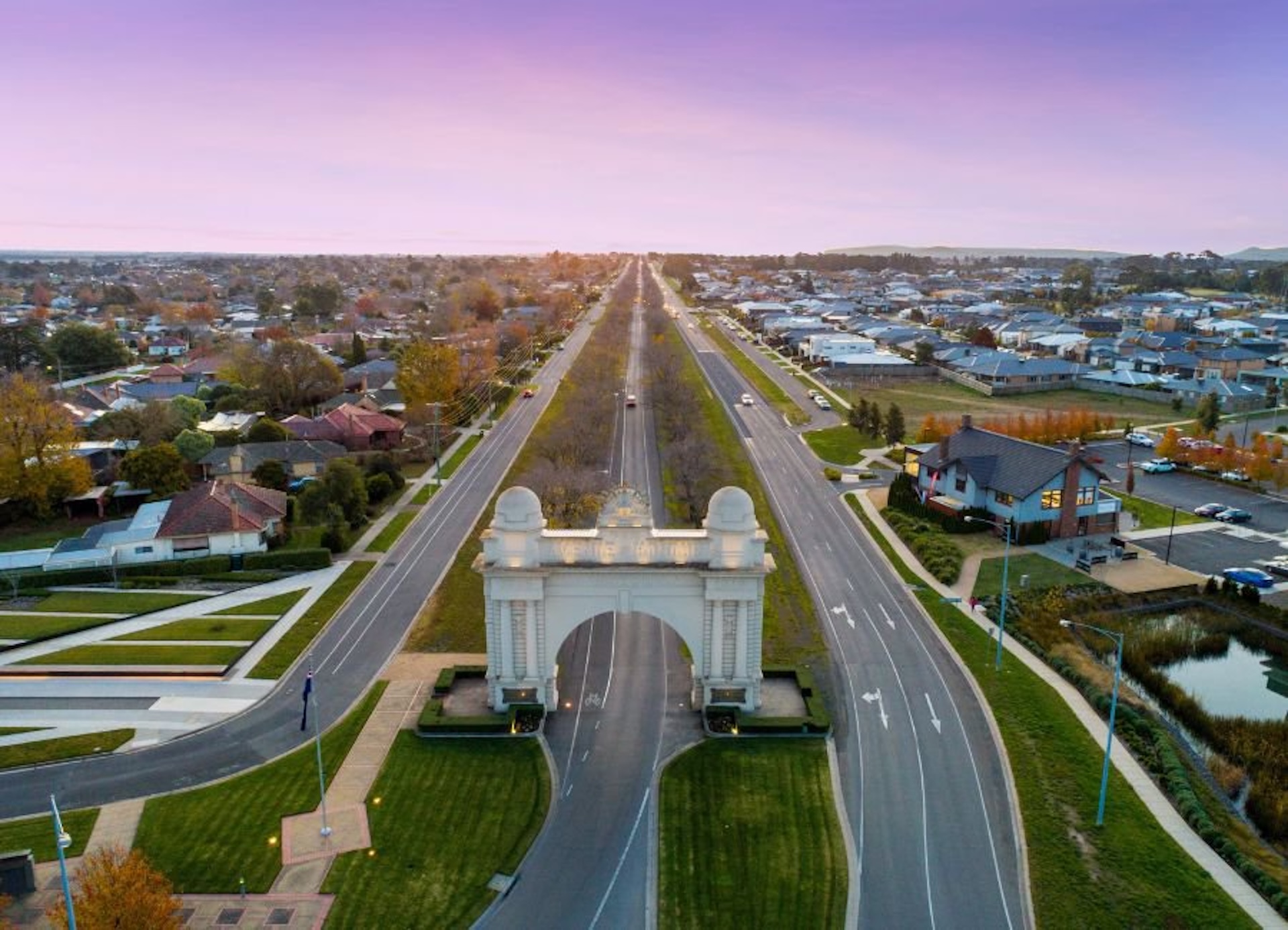
Drive west out of Ballarat along Sturt Street, under the Arch of Victory and past the start of the Avenue of Honour, and you arrive in Alfredton. Old Alfredton holds wide tree-lined streets and Edwardian homes near Victoria Park. New Alfredton, pushing further west into Lucas and Winter Valley, is bulldozers and brick veneer, fence palings going up, lawns just laid.
This is the Ballarat West Growth Area, planned to absorb up to 17,200 new homes across Alfredton and its neighbours. Schools are bursting, junior sport clubs are at capacity, and the community forming inside all this construction is still working out who it is.
Mortgage stress is the quiet weight in many new-estate homes, where buyers stretched into a regional boom that has since cooled. Traffic on Sturt Street and Cuthberts Road grinds through peak hour. Schools, kindergartens and sports clubs are at bursting point, and parents talk openly about fighting for a spot. In the new streets, neighbours who moved in last year still don't quite know each other. Long, cold winters can compound a sense of isolation for newcomers without local roots.
The anchors are familiar Ballarat ones: junior footy and netball clubs, school gates, the Park Hotel, the Ballarat Golf Club, walks around Lake Wendouree, and the slow social gravity of established families who have been in old Alfredton for decades. The Arch of Victory and Avenue of Honour give the suburb a shared civic memory that residents take seriously.
Alfredton is the demographic sweet spot of regional Victoria. Australia's national growth rate is around 1.3 per cent a year; Alfredton is running at nearly six times that. More than half the households are families with children. The young adult cohort is sizeable. Federation University and the regional hospital keep a steady stream of twenty- and thirty-somethings in the area.
The cultural moment is clear. Thousands of new families are landing in a growth area with stretched schools, stretched clubs, stretched community infrastructure, and almost no contemporary Pentecostal church to turn to. Most have no church background and no resistance to one — only no reason yet.
The challenge is honest. Ballarat is cold, regional, and slower to trust than a Melbourne growth corridor. Catholicism still casts a long shadow over what people assume "church" means. But for the right family, willing to put roots down and play the long game, Alfredton is one of the clearest invitations on the map.
Alfredton sits squarely within Australia's secular drift. Around forty-five per cent of residents tick "no religion" on the census, noticeably above the national figure, while Christian affiliation hovers near the national average and is steadily declining. Ballarat's Catholic heritage runs deep through the older suburbs and parish networks, but in the new estates a different posture has taken hold: not hostile to faith, simply uninterested. Most younger families have grown up without church and have no intuitive reason to start.

Ballarat has a long Catholic and Anglican heritage, with established mainline parishes scattered across the city. Pentecostal and contemporary charismatic presence in Ballarat as a whole is modest and concentrated in central and northern parts of the city. Within Alfredton itself, no Pentecostal or charismatic congregation was verified during research. Heritage Baptist sits on the edge of Lucas with a more traditional independent Baptist style, and one2one Church of Christ serves the western side of the city.
The gap is a contemporary, Spirit-filled, family-shaped church inside the fastest-growing suburb in regional Victoria's biggest inland city — a community where thousands of new homes are arriving and where most residents have no current church connection.
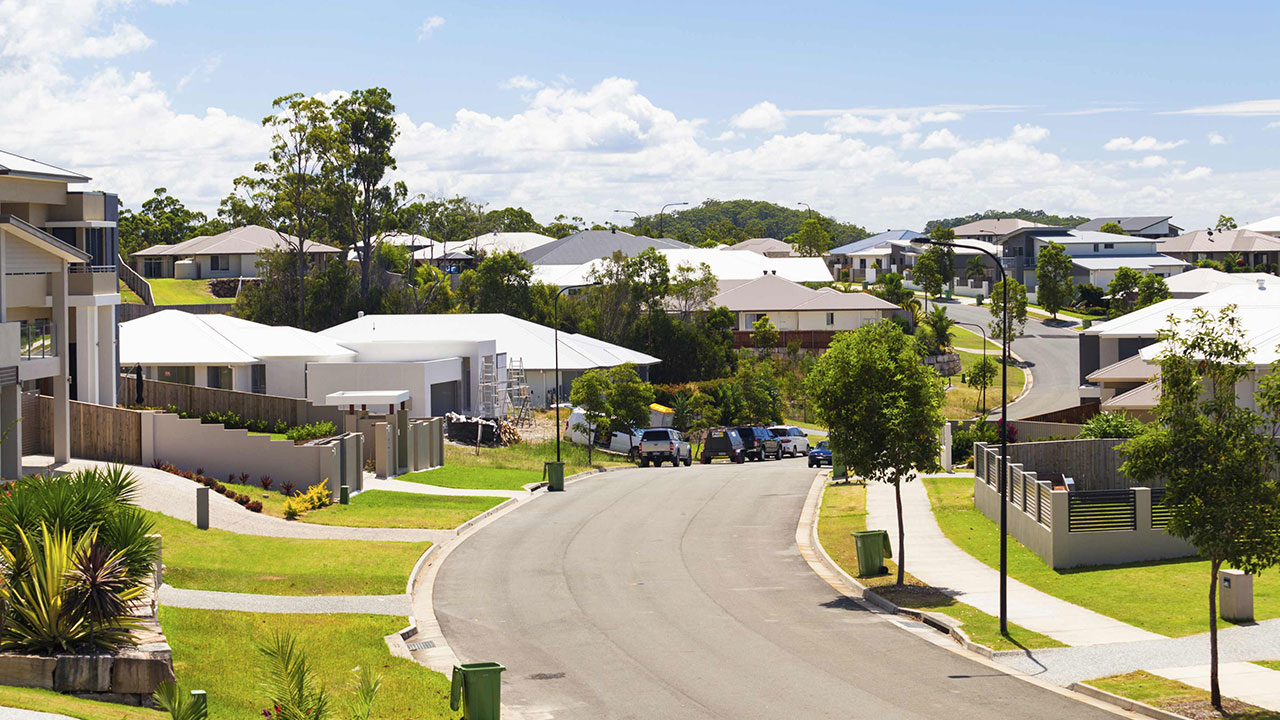
Cost of Living and Housing. Alfredton runs from older brick and weatherboard homes on generous blocks in the east, to new estate housing pushing west into Lucas and Winter Valley. Median house prices sit well below Melbourne but well above what they were five years ago. Mortgage stress is real for the recent buyers who stretched to get in during the regional boom.
Schools and Kids. Alfredton Primary, Phoenix College and a cluster of Catholic and independent schools serve the suburb, and Ballarat High School is regarded as one of the strongest public secondary schools in western Victoria. Demand outstrips supply. Enrolment waiting lists, full kindergartens and crowded junior sport sidelines are the everyday backdrop.
Weekend Life. Saturdays revolve around junior footy and netball at the Alfredton Recreation Reserve, walking the dog along the old Redan Junction rail trail, or driving five minutes to Lake Wendouree for a loop around the water. Victoria Park sits on the eastern edge with playgrounds, walking tracks and the Ballarat Aquatic Centre nearby.
Town Centre and Vibe. Alfredton doesn't have a single tight high street. Life happens at Stockland Wendouree to the north, Delacombe Town Centre to the south-west, and a clutch of shops along Sturt Street near the Arch of Victory: an Aldi, a Chemist Warehouse, a couple of bakeries, the Park Hotel. Suburban streets are quiet but the main roads carry serious traffic.
Nightlife and Culture. Quiet by metropolitan standards. The Wendouree Performing Arts Centre, the Park Hotel, and the bars and restaurants of Ballarat CBD ten minutes east cover most of what locals want. Winters are long and cold, summers are mild, and weekend social life often ends up at someone's house with the heater running.
Ballarat CBD. Five to ten minutes east along Sturt Street. Cafes, the train station, the Art Gallery of Ballarat, and the heritage core of the city.
Lake Wendouree. Five minutes north. The social heart of Ballarat: walking track, rowing sheds, cafes around the edge, families on bikes most weekends.
Federation University Mount Helen. 20 to 25 minutes south-east. Around 13,000 students across regional campuses, drawing young adults into the city.
Grampians Health Ballarat Base Hospital. 10 minutes east. The major regional hospital and a dominant local employer.
Melbourne CBD. 90 minutes by car along the Western Freeway, or about 75 minutes by train from Ballarat Station. Weekend day trips and reverse commutes both feasible.
Avalon and Melbourne Airports. Avalon is around 75 minutes south-east; Melbourne Airport is around 90 minutes via the Western Freeway.
Saturday morning at the Alfredton Recreation Reserve, the carpark fills with utes and people-movers. Kids in footy guernseys, parents balancing coffees, the smell of cut grass and liniment. This is families. More than half of households here are families with children, well above the national figure, and the suburb has built itself around that reality. Tradies, healthcare workers, teachers, public servants, and a steady stream of professionals priced out of Melbourne who bought in for the space and the schools.
Predominantly Anglo-Australian, with a notable Indigenous population at over eight per cent — significantly higher than the Victorian average and reflecting Alfredton's place on Wadawurrung Country. Migrant communities are smaller than in Melbourne's outer west but growing, particularly Indian and Filipino families settling around the new estates. Generationally, the suburb skews young and family-aged, with a median age below the national figure and a strong cohort of children and teenagers in the older streets and primary-school-age kids dominating the new ones.
Unpretentious, family-comfortable, willing to do the long winters. Can sit on a sideline in Ballarat cold and mean it. Comfortable with tradies and teachers, not just professionals. Patient with regional pace, which is slower than the eastern seaboard.
Strong on hospitality, because Ballarat people decide whether to trust you over a kitchen table, not a stage. Settled enough in their own marriage and family to model what young Alfredton families are reaching for. Not chasing a metropolitan platform.