
Banjup is the rural-residential heart of Cockburn's fastest-growing belt, where five-acre lifestyle blocks meet new family estates pushing south from Perth. Young families, big blocks, and a community still figuring out who it is.
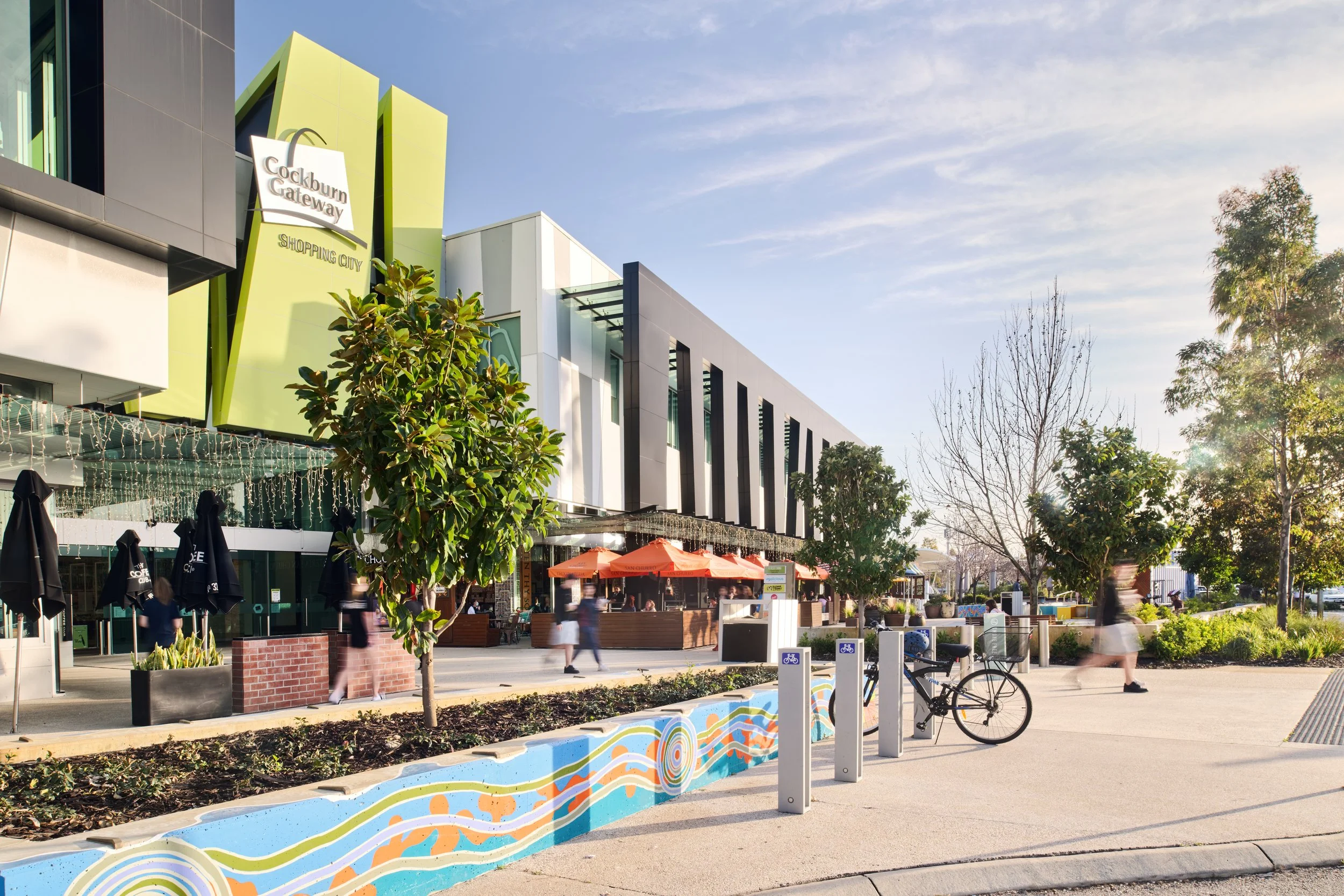
Drive 25 kilometres south of Perth on the Kwinana Freeway and the city thins into bush, big blocks and horse paddocks. This is Banjup. Once a quiet patch of rural-residential land on the Jandakot Water Mound, it has been steadily reshaped by the growth pushing out from Cockburn. Treeby was carved off the northern end in 2016. Hammond Park split off back in 2002. Aubin Grove and Atwell wrap around its southern flank.
What's left is a mix: gum trees and gravel driveways on five-acre lots, then brand-new estates a paddock away. The Whadjuk Noongar people walked this country long before the railway siding was misspelled as Banjupp in 1907. The bones are old. The community on top of them is young.
The ache here is the ache of new estates everywhere. Mortgages stretched in a hot market. Long commutes that cut into family time. Neighbours who wave but rarely cross the driveway. A First Nations population carrying generational weight that the wider community is only just learning to hear. And an isolation that surprises new arrivals: you can buy a four-bedroom home and still not know a soul on your street six months later.
The anchors are practical. Atwell College and the local primary schools. Junior footy and netball clubs. The Banjup Residents Group, which around forty-five per cent of long-term Banjup households belong to. Cockburn Gateway as a casual meeting ground. Banjup Memorial Park, where fourteen gum trees still stand for the men who left this country for the First World War. Small things, but they hold.
The demographic case is unusually strong. Population growth running at 4.4 per cent annually, more than three times the national average. A young-adult cohort of over six thousand. Family households at 59.4 per cent. A First Nations population of 7.6 per cent that signals both deep history and ongoing Aboriginal community life. And a contemporary church footprint that has not kept pace with any of it.
The cultural moment matches. Cockburn's southern belt is still finding its identity. New residents are still looking for the people and places that will hold them through the hard years of young-family life. The Aubin Grove train line has connected the area to Perth in a way it was not five years ago, and the population pressure on Treeby, Hammond Park and Aubin Grove is only growing.
The challenge is honest: this is a tired, time-poor, slightly secular, slightly suspicious audience. Sunday mornings compete with sport, sleep-ins and shift rosters. But the families are here. The ache is here. And there is real room for a contemporary church to be the one that turns up, stays, and becomes home.
This area runs slightly more secular than the national picture: 44.7 per cent of residents reported no religion at the last census, against 38.9 per cent nationally, and Christian affiliation has fallen to 41.6 per cent. The drift is the familiar Western Australian story, only sharper in a young-family suburb where most adults grew up post-Christendom and where Sunday routines have been reshaped by junior sport, shift work and shopping. Faith is not openly hostile here. It is simply unfamiliar to a generation of parents now raising children of their own without a church frame of reference.

The Pentecostal and charismatic footprint within a fifteen-minute drive of Banjup is thin. Cockburn's southern suburbs have grown faster than church planting has kept up with, and most contemporary congregations sit further north toward Fremantle or further south at Mandurah. A small contemporary evangelical church meets at the Cockburn Youth Centre. Beyond that, the closest Spirit-filled options are a real drive away.
The gap is striking when held against the demographic picture: 21,746 people, more than six thousand of them young adults aged fifteen to thirty-four, nearly sixty per cent of households raising children, and almost no contemporary Pentecostal or charismatic expression within the immediate area. For a young family looking for modern worship, kids' programmes that work alongside Saturday sport, and a community where their neighbours might also turn up, the options are limited.
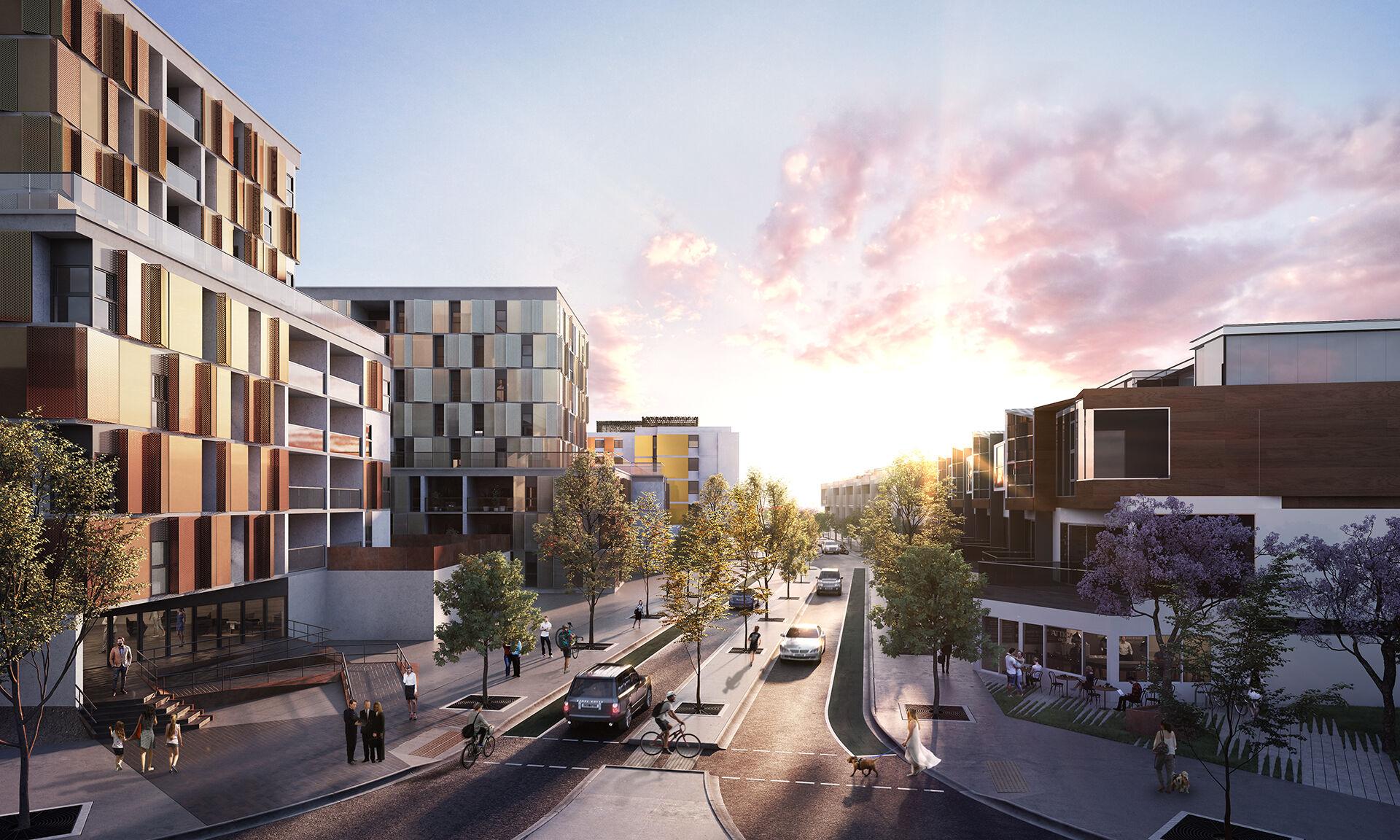
Cost of Living and Housing. Banjup itself is land-rich and expensive: five-acre lifestyle blocks sit at the top end of the Cockburn market, and the surrounding new-estate suburbs of Treeby, Hammond Park and Aubin Grove carry the typical mortgage weight of family-sized brick homes bought in the last decade. Most households here are stretched but stable.
Schools and Kids. Atwell Primary and Atwell College anchor the public side. Emmanuel Catholic College in Success and Hammond Park Catholic Primary cover the parish stream. Hammond Park Secondary College is the newer addition. Pre-kindy programmes run across Atwell, Aubin Grove and Treeby. Families chose this area for the schools.
Weekend Life. Saturdays move between junior sport, the bushland trails of Jandakot Regional Park, and the queue at Cockburn Gateway. Sundays are quieter: backyards, barbecues, the occasional drive south to the coast at Coogee or down to Mandurah.
Town Centre and Vibe. There's no high street in Banjup itself. Cockburn Gateway Shopping City and the smaller Harvest Lakes Shopping Village in Atwell carry most of the daily life: groceries, coffees, a pharmacy run, a haircut. The vibe is suburban, family-centred, practical. Not glamorous, not trying to be.
Nightlife and Culture. Modest. A handful of restaurants around Cockburn Central, the cinema complex, and the train ten minutes north for anyone wanting Fremantle's bars or the Perth CBD. Most evenings here end early, at home, with school the next morning.
Perth CBD. 25 to 30 minutes north on the Kwinana Freeway, or a direct train from Cockburn Central or Aubin Grove on the Mandurah line.
Fremantle. Around 20 minutes by car. The closest cultural and dining centre, and the harbour that shapes Perth's south-west identity.
Cockburn Central. 5 to 10 minutes. The major retail, transport and civic hub for this part of Perth, and the practical centre of daily life for residents.
Coogee Beach. 15 to 20 minutes west. The closest coast, and a regular weekend destination for families through the long Perth summer.
Mandurah. 35 to 40 minutes south on the freeway. The next major centre and a common holiday and weekend destination for Cockburn families.
Perth Airport. Around 35 minutes via the Roe Highway. Workable for the FIFO workforce that quietly threads through this part of Perth.
Saturday morning at the Aubin Grove train station carpark, the commuters thin out and the suburb softens into family rhythm. Utes from the trades, hatchbacks loaded with sport gear, parents wrangling kids toward the oval. This is a young-family belt: median age in the mid-thirties, nearly six in ten households raising children, and a high concentration of young adults still deep in the school-and-mortgage phase of life.
The cultural mix runs broad. Cockburn's southern suburbs draw a noticeable share of migrant families alongside multi-generational West Australians, and the First Nations population in this SA2 sits well above the national average at 7.6 per cent, reflecting the deep Whadjuk Noongar history of the Jandakot country and the contemporary Aboriginal community across Cockburn. FIFO workers, healthcare professionals, tradespeople and public-sector employees make up the working spine. Few here grew up in Banjup. Most arrived in the last fifteen years.
Unpretentious, family-comfortable, willing to do the slow work of building from a small core in a suburb that will not turn up out of curiosity. Comfortable in tradie culture. Steady through the long Perth summer. At ease with cultural diversity and willing to learn from First Nations leaders rather than speak over them.
Probably a couple in their thirties or forties with school-aged kids of their own. Patient enough to plant in a place where most people are too tired on a Sunday morning to add another commitment, and bold enough to keep inviting anyway. Not a stage performer. A neighbour.