
Box Hill is the most populous Chinese-Australian community in Victoria, a young and rapidly densifying metropolitan centre 14 kilometres east of Melbourne's CBD where high-rise towers, a tertiary student population and a profoundly secular cultural moment intersect.
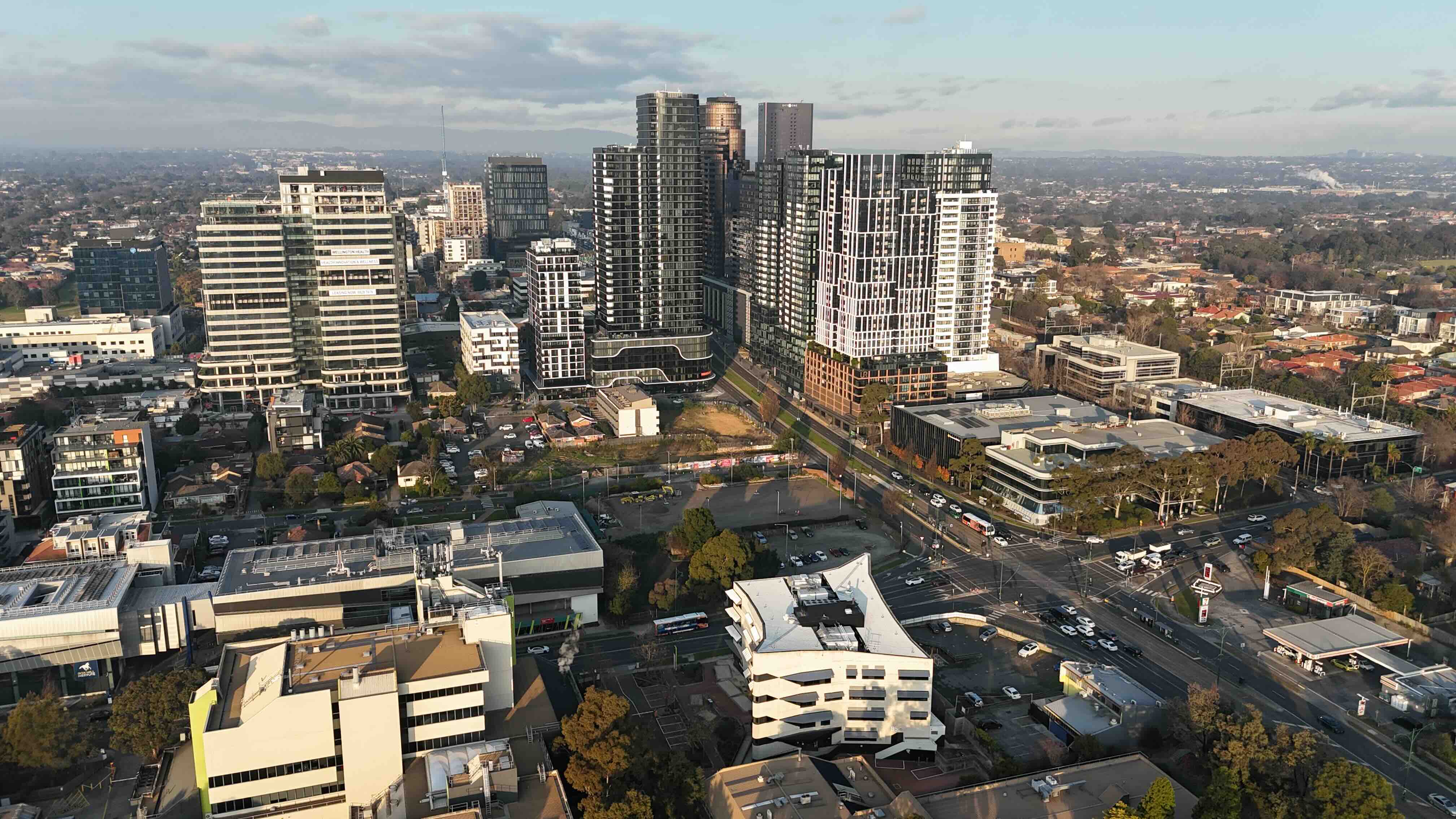
Drive 14 kilometres east of Melbourne's CBD along Whitehorse Road and you arrive somewhere that no longer looks like a suburb. Box Hill has been a designated metropolitan centre in state planning since 1954, and the skyline now reflects it: the 36-storey Sky One, the Whitehorse Towers, the ATO's Box Hill Tower, and a $450 million New Chinatown development underway with a hawker hall, language school and Chinese medicine clinics built into its fabric.
Underneath the towers is something older. A railway town from the 1850s, gradually absorbed into Melbourne after the war, then transformed across two generations into the largest Chinese-Australian enclave in Victoria. The Suburban Rail Loop's first underground station is being dug here. The next chapter is being poured in concrete.
The pain points here are particular. Migration grief and the loneliness of being far from family in China sit underneath the bustle. Older Chinese parents brought out by adult children can find themselves isolated in high-rise apartments without language, without licence, without their old social fabric. International students live here in numbers and most weeks won't speak to anyone outside their cohort. Mortgage and rental stress are real in the new towers.
The anchors are food, family, festival and study. Box Hill Central and the surrounding streets function as a daily gathering place. The Mid-Autumn and Lunar New Year festivals draw the wider community in. School gates, Chinese language schools, the TAFE and a dense web of small Chinese churches and community organisations carry much of the social load.
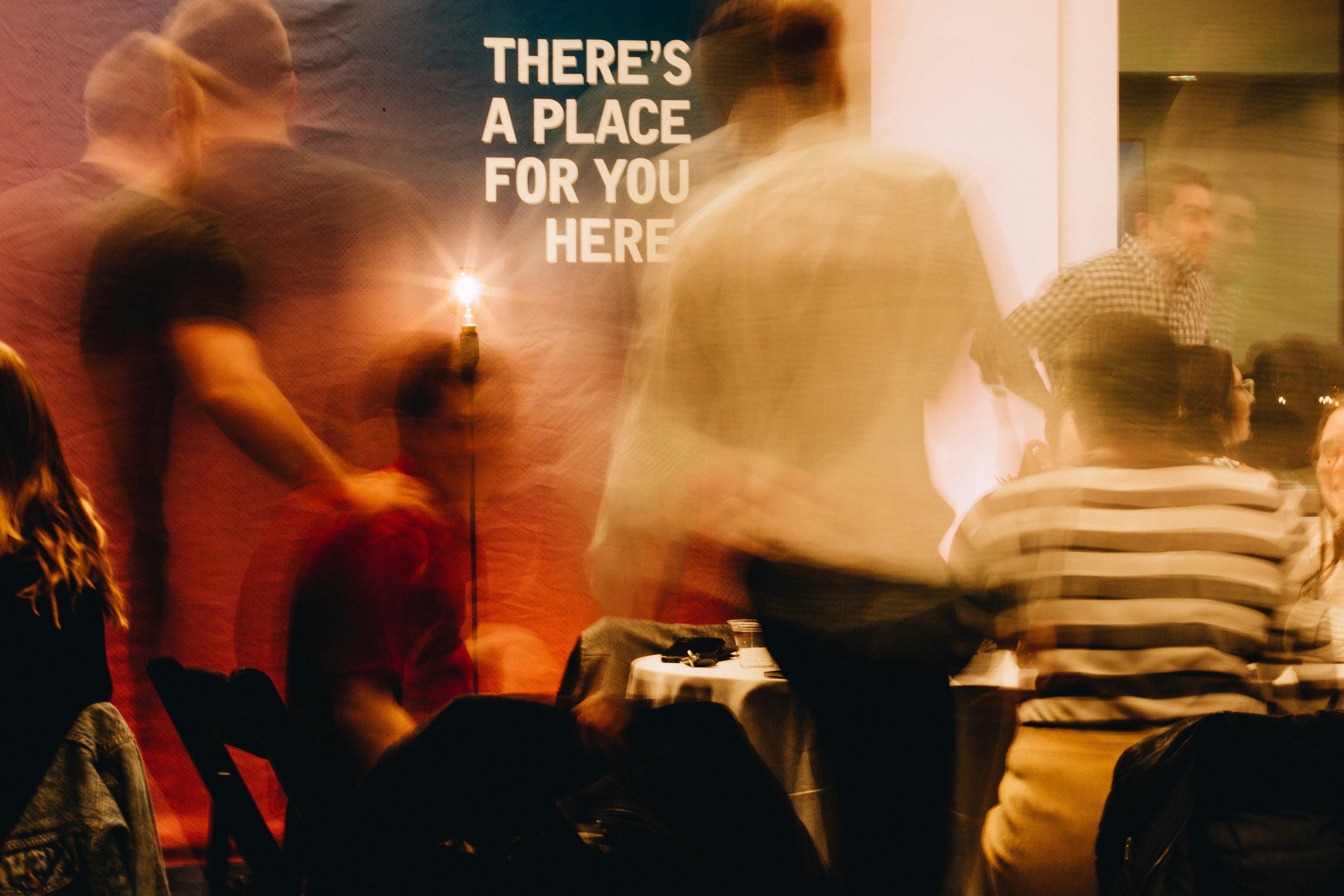
Box Hill carries a rare combination: significant population growth, a very young median age, a heavy concentration of 15 to 34 year olds, and a deeply secular cultural moment, all inside one of Australia's most distinctive ethnic enclaves. The international student churn alone produces thousands of young adults a year cycling through the suburb's apartments and lecture halls.
The cultural moment is real. East Asian Christianity globally has been reshaping itself across the last generation, and Australian-born and Australian-educated Chinese young adults are increasingly looking for expressions of faith that are neither their parents' migrant church nor their Anglo friends' default Anglican parish.
It will be hard. Box Hill is expensive, dense, and culturally complex. The reward is a church embedded in the most populous Chinese-Australian community in Victoria, in the years its skyline and its identity are being rewritten.
Half the suburb now reports no religion, well above the national share, and Christian affiliation has fallen to 28.8 percent against a national average closer to 44 percent. Buddhism remains a meaningful presence reflecting the East Asian background of many residents, but the dominant cultural posture among younger Chinese-Australians and the international student population is broadly secular and pragmatic rather than actively hostile to faith. The question for most residents is not whether Christianity is true but whether it is relevant to a life shaped by study, career, family expectation and migration.

The existing Christian presence in Box Hill is shaped almost entirely around either the older Anglo congregations of an earlier Box Hill, or Chinese-language churches serving the migrant community. The Evangelical Chinese Church has been here since 1978 and serves the Mandarin-speaking community. ECCI provides an evangelical option in the centre. Box Hill Baptist serves a progressive, inclusive demographic. Pentecostal and charismatic expression specifically is thin on the ground inside the suburb itself.
The gap is a contemporary, English-medium church that can hold a young, ethnically Chinese-Australian and broader East Asian demographic alongside international students and the smaller Anglo and other-background residents in one room, with worship, teaching and community life that doesn't require choosing between cultures.
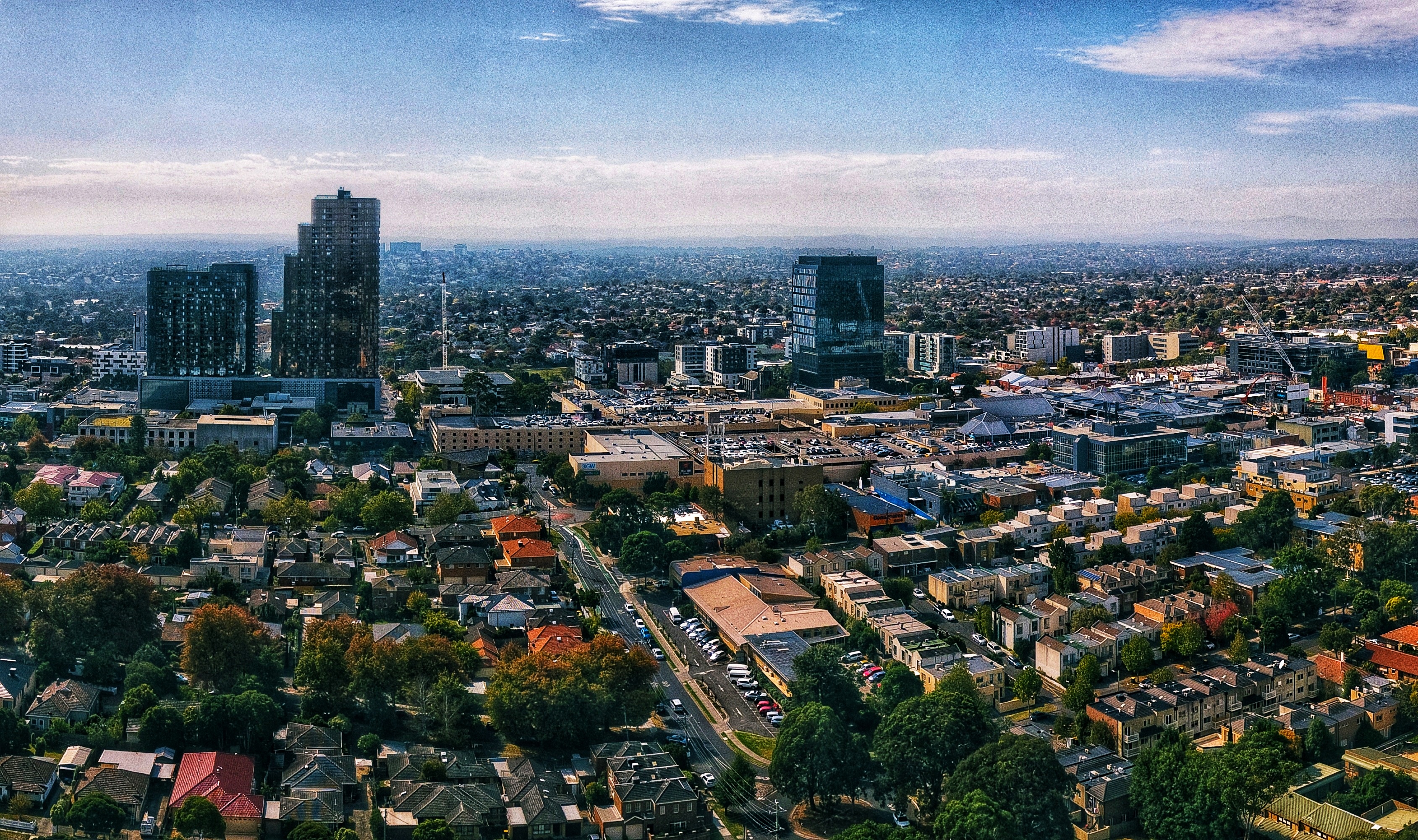
Cost of Living and Housing. Box Hill is one of the more affluent corners of Melbourne's east, and the housing stock reflects that. New high-rise apartment towers above and around Box Hill Central dominate the centre, with detached houses on tree-lined streets in Box Hill South and the surrounding pockets. Density is climbing fast as state planning pushes infill rather than sprawl.
Schools and Kids. Box Hill High School and Koonung Secondary College anchor the public system, with Box Hill Institute providing a major TAFE presence in the centre and Deakin University's Burwood campus a short drive away. The school catchment is one of the genuine reasons Chinese families have chosen to settle here.
Weekend Life. Saturday in Box Hill is bubble tea, hot pot, dim sum, and the steady flow of shoppers through Box Hill Central. The Mid-Autumn Moon Festival lights up in autumn. Chinese New Year brings parades, lion dances and an estimated seventy thousand visitors. There are large reserves with ovals about a kilometre from the centre in three directions.
Town Centre and Vibe. The centre is dense, vertical, multilingual and unmistakably Asian. Whitehorse Road runs through it. Trams, buses and trains converge under the shopping centre. New Chinatown will add a hawker hall, a Chinese language school, herbalists and medicine clinics across three retail levels when it opens.
Nightlife and Culture. Karaoke lounges, late-night Asian eateries and dessert bars do the heavy lifting after dark. The cultural calendar is built around the lunar year rather than the Western one. Most of Melbourne's mainstream nightlife sits closer to the CBD, twenty minutes west by tram or train.
Melbourne CBD. 14 kilometres west, around 25 to 30 minutes by tram on the 109, or a direct train on the Belgrave and Lilydale lines into Flinders Street.
Box Hill Hospital. A major public hospital sitting within the suburb itself, originally opened in 1956 and now one of the larger employers in the area.
Deakin University, Burwood. Around 10 minutes south by car, drawing significant numbers of international and domestic students into Box Hill's rental market.
Westfield Doncaster. Approximately 2 kilometres north, a short drive for the larger retail catchment beyond Box Hill Central.
Suburban Rail Loop. Box Hill's underground station is under construction as the terminating station of the first stage, providing future direct rail access to Cheltenham and beyond.
Melbourne Airport. Around 35 to 45 minutes by car via the Eastern Freeway and CityLink.
Box Hill is, more than almost any other suburb in Melbourne, a Chinese-Australian community. Around 30 percent of residents were born in China, and Chinese ancestry is the most commonly reported background by a wide margin. Mandarin and Cantonese are heard on the streets and in the food courts as often as English. There is a substantial Hong Kong, Malaysian-Chinese and Korean presence layered alongside, and a smaller but visible Indian and Vietnamese population. The First Nations share is unusually high for an inner-east suburb at 4.3%, worth noting in any community engagement.
This is also a young suburb. The median age sits at 34, and more than a third of residents are aged 15 to 34, well above the national share. International students from Box Hill Institute and nearby Deakin shape the rental market and the late-night culture. Young Chinese-Australian professionals in the new towers, multi-generational migrant families holding the older streets, and a smaller Anglo-Australian cohort that remembers Box Hill before it densified all share the same postcode.
Cross-cultural by instinct rather than training. Comfortable in a context where English is the working language but Mandarin, Cantonese and Korean are the heart languages of many in the room. Patient with the slow trust-building that East Asian culture requires.
Educated, intellectually serious, and able to engage students and young professionals on their terms. Family-stable. Willing to live densely, eat well, and treat hospitality as a primary ministry tool. Would not work: a planter who needs a quick visible result, or who reads ethnically Chinese spaces as a missional problem rather than a gift.