
Carlton sits just north of the Melbourne CBD, a dense inner-city suburb of Victorian terraces, Italian Lygon Street, and one of the highest student concentrations in Australia. Two-thirds of residents are aged 15 to 34.
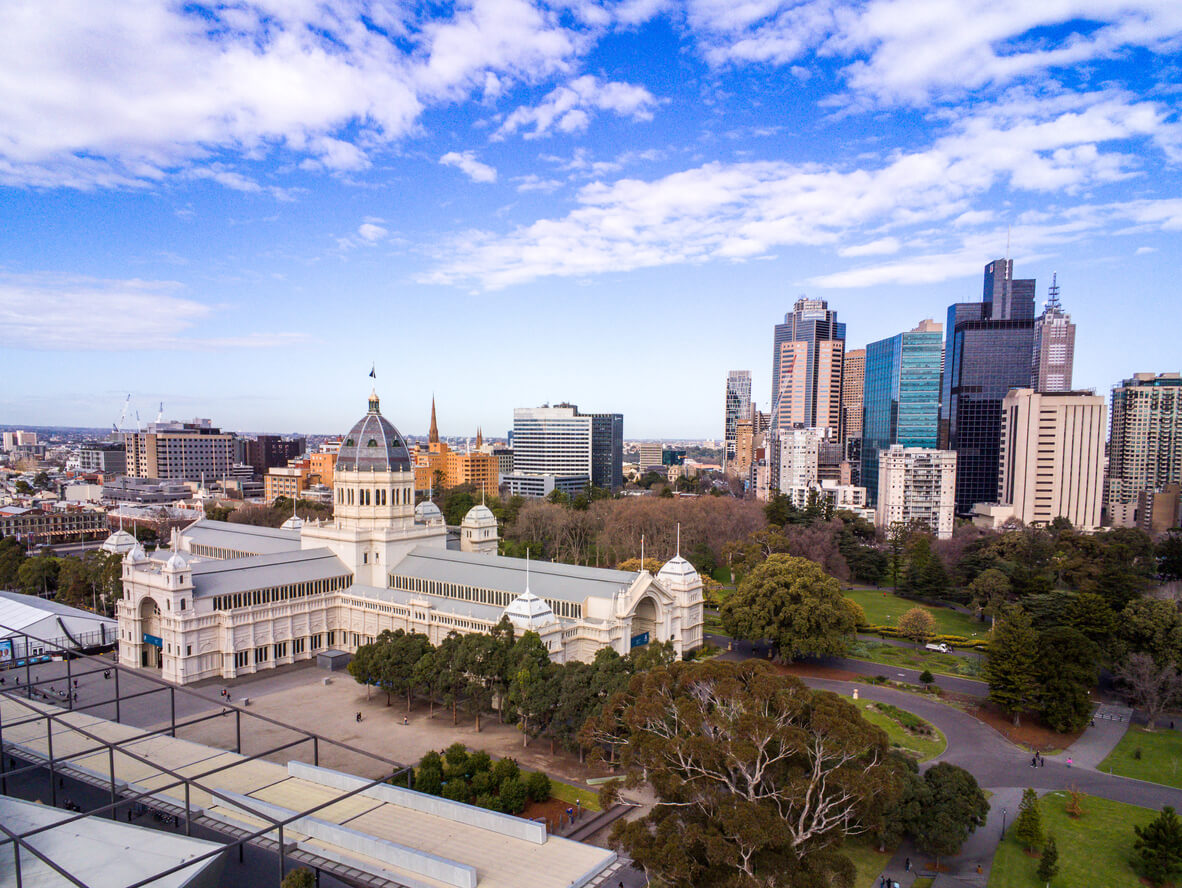
Walk up Swanston Street from the CBD and within ten minutes you're in Carlton. Heritage terraces on Drummond Street, the Royal Exhibition Building rising over the gardens, trams rattling along Lygon past Brunetti and Readings, the University of Melbourne pressed up against the western edge. This is one of Melbourne's oldest suburbs and one of its most recognisable.
The story has shifted in waves. Working-class grid in the 1880s. Italian heartland after the war. Student suburb from the 1990s as international enrolments transformed the skyline. Today it's a mix of long-term Italian families, public housing residents, professionals in renovated terraces, and a vast rotating population of local and international university students.
The ache here is loneliness in a crowd. Students live a long way from home, often in studio apartments stacked twenty floors high, navigating a new country and an exam timetable at the same time. International student mental health and isolation have been raised repeatedly as concerns by the universities and by local services. Long-term residents in the public housing towers face a different kind of pressure: redevelopment uncertainty, social disadvantage, and the slow grief of a neighbourhood that has gentrified around them.
The anchors are unusually rich for an inner-city suburb. Carlton Gardens, Princes Park, Argyle Square's Piazza Italia. The university campuses and their student societies. The cafes and trattorias that have held court on Lygon for sixty years. Carlton Baths and the YMCA-run community programs. Carlton Football Club's link to the Carlton Recreation Ground. None of these on their own holds the suburb together, but together they keep the social fabric thicker than the demographics would suggest.
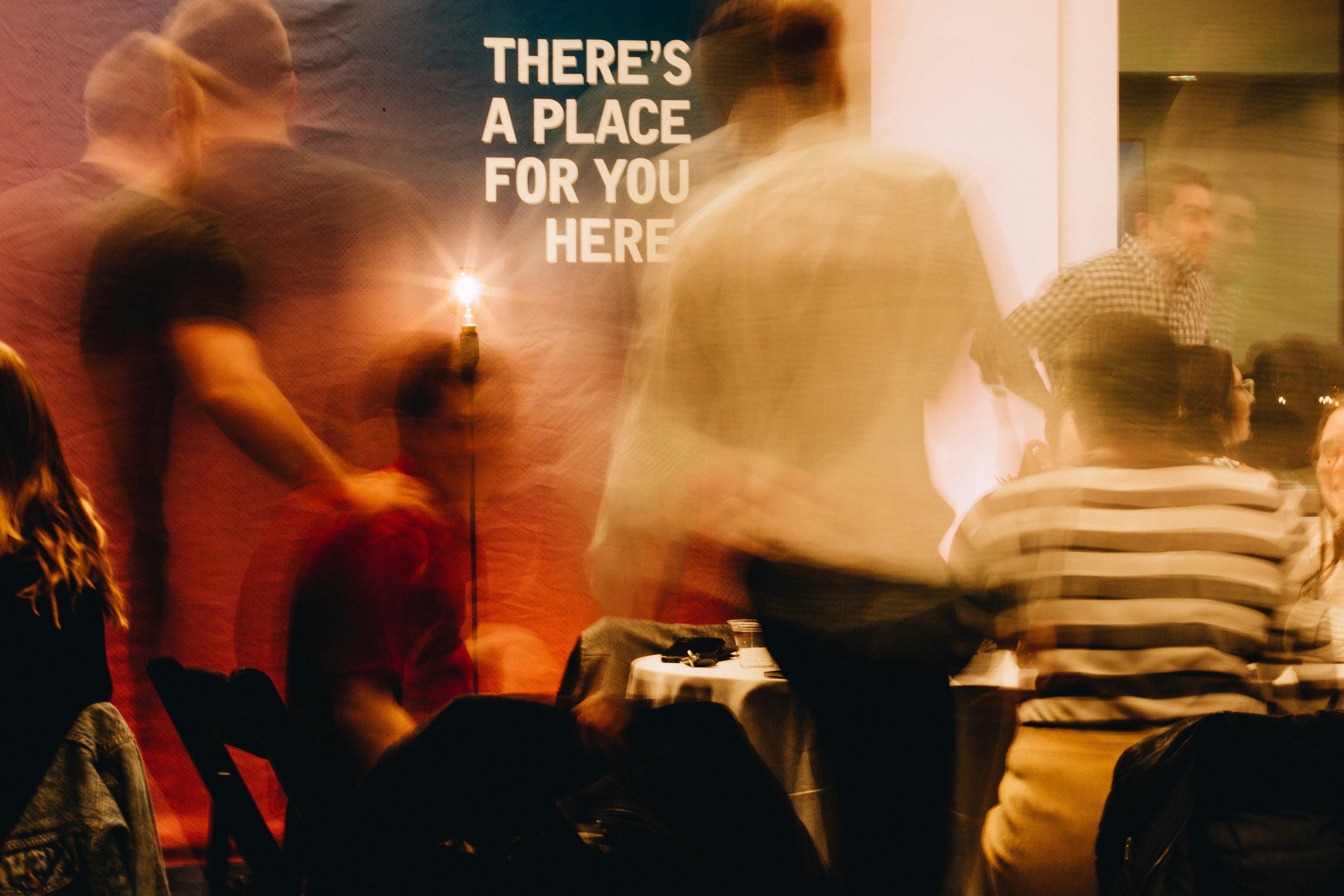
The opportunity is structural and significant. More than ten thousand people aged 15 to 34 live within walking distance of each other in a single suburb. Half identify as non-religious. The cultural moment among young adults is shifting, with rising openness to questions of meaning, mental health, and belonging that the existing inner-city church scene is only partially meeting.
The international student population is its own missional frontier. Many arrive from countries where the gospel is restricted or unfamiliar, encounter Christianity meaningfully for the first time during their studies, and return home as cultural bridges. A faithful Carlton ministry has reach far beyond Carlton.
The challenge is honest. Rents are high, transience is constant, secular assumptions run deep, and the suburb is small enough that the existing churches are known to one another. Anyone planting here will need patience, theological depth, and a long horizon. But the field is genuinely open, the population genuinely young, and the spiritual hunger underneath the surface genuinely real.
Carlton is more secular than the national picture and considerably less Christian. Just over half of residents identify as non-religious and only one in five claim Christian affiliation, against national figures of 38.9% and 43.9% respectively. Much of this is driven by the student demographic, the international population, and the educated professional class that fills the renovated terraces. Faith is not hostile here so much as absent from default conversation. The cultural air assumes secular humanism as the baseline; Christianity, where it appears, is treated as one private option among many rather than a shared inheritance.

The contemporary church presence inside Carlton itself is thin. Lygon Street Christian Chapel has held its position since 1865 and runs a longstanding student fellowship; St Jude's Anglican on the Carlton boundary is part of Melbourne's evangelical Anglican student-church tradition. Both are valuable but neither is Pentecostal or contemporary in worship style.
For Pentecostal expression, residents currently look outside the suburb. Planetshakers' city campus in Southbank sits around 10 minutes south, and C3 North Melbourne sits in the adjoining postcode. Within Carlton's own dense student and apartment population, no contemporary Pentecostal congregation currently meets. The gap is a young-adult, contemporary, Spirit-filled church gathering on the doorstep of one of Australia's largest concentrations of university students.
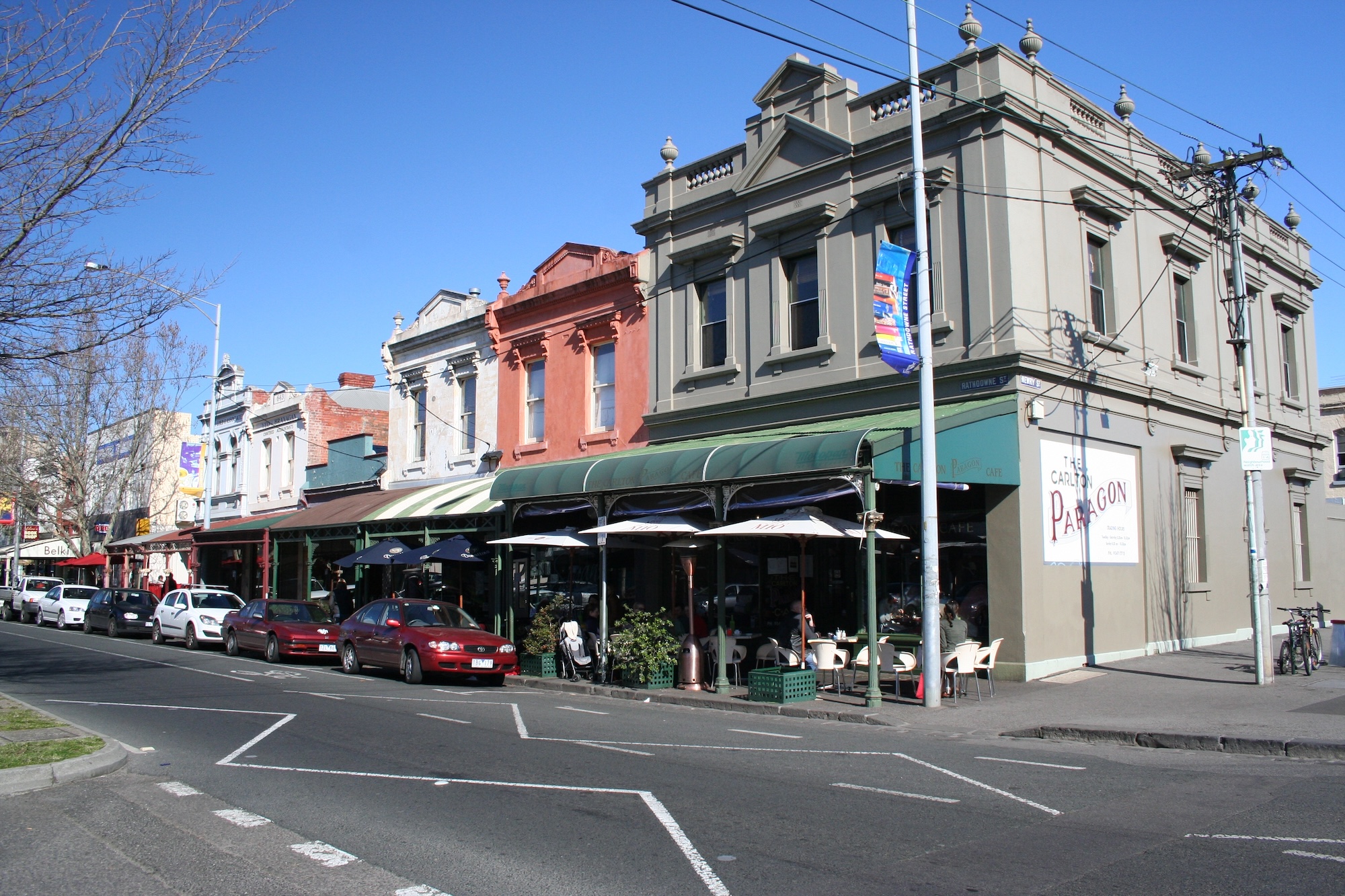
Cost of Living and Housing. Renting dominates. The vast majority of Carlton's housing stock is rented, much of it concentrated in apartment towers and converted Victorian terraces. Student accommodation, housing commission flats, and renovated terraces sit on the same street. The Victorian terraces that workers once rented for modest sums are now million-dollar properties; just down the road, public housing residents share the postcode.
Schools and Kids. Families with children make up only 12.1% of households, well below the national figure of 40.2%, and the suburb is built around students rather than school runs. Carlton Gardens Primary on Rathdowne Street, opened in 1884, still serves the small resident-family population. The University of Melbourne and RMIT loom much larger in daily life than any school gate.
Weekend Life. Carlton Gardens on a sunny Saturday is one of the best urban green spaces in the country. Princes Park hosts community sport and the Carlton Football Club's training base. Lygon Street is busy from morning espresso through to late dinners, and the Melbourne Museum and Royal Exhibition Building draw a steady weekend crowd into the gardens.
Town Centre and Vibe. Lygon Street is the heart. Italian restaurants, gelaterias, and continental cake cafes line the strip alongside third-wave coffee roasters, Korean fried-chicken joints, and Readings bookstore. Argyle Square's Piazza Italia hosts community events. The vibe is dense, walkable, layered with history, and unmistakably inner-city.
Nightlife and Culture. Cinema Nova screens art-house films most nights of the week. La Mama Theatre carries the legacy of the 1970s independent theatre scene. Wine bars, late-opening restaurants, and pub culture spill out onto Lygon and Rathdowne. This is one of the most culturally dense square kilometres in Australia.
Melbourne CBD. Two to three kilometres south. A ten-minute walk from the southern edge of Carlton, or one tram stop on the 1, 6, or 16.
University of Melbourne and RMIT. Both within or directly adjoining the suburb. Tens of thousands of students walk through Carlton's streets each weekday during semester.
Royal Melbourne Hospital and the Parkville biomedical precinct. Five minutes by tram or car. One of Australia's largest concentrations of hospital and medical research employment sits on Carlton's western boundary.
Fitzroy and Collingwood. Immediately east across Nicholson Street. A short walk to Brunswick Street's bars, music venues, and independent shops.
Melbourne Airport. Around 25 minutes by car via Citylink, longer in peak hour. The 901 SkyBus runs from nearby Southern Cross Station.
Brunswick and the inner north. Five to ten minutes north along Lygon Street into Carlton North and on to Brunswick, where the cafe scene continues and rents drop slightly.
Eleven in the morning on Lygon Street, the cafes are full of postgraduate students reading on laptops, retired Italian men in conversation outside Brunetti, and parents with prams from the small but committed family demographic. The numbers tell the story bluntly: 64.3% of residents are aged 15 to 34, more than double the national share, and the median age is 27. This is not a representative cross-section of Australia. It is one of the youngest, most international, and most transient communities in the country.
The mix is layered. International students from across Asia fill the apartment towers and shape the food on Swanston Street. Long-term Italian families still hold property and presence around Lygon. Public housing residents in the towers between Lygon and Rathdowne, and between Nicholson and Canning, include some of Melbourne's most recently arrived migrant communities. Wealthy professionals occupy the renovated heritage terraces. Carlton holds extremes of income and origin in the same postcode.
Comfortable in a high-density, secular, intellectually serious environment. Reads. Engages with ideas. Hospitable enough to host strangers from twenty different countries around one table. Equally at home with an international PhD student, a third-generation Italian shopkeeper, and a public housing neighbour.
This is not a suburb for a planter who needs visible quick wins, established family networks, or a Sunday morning rhythm built around junior sport. The transience is real; people move through Carlton in three-year cycles. A planter who thrives here plays a long game, builds disciples who will scatter across the world, and treats the apartment block as the parish.