
Charlemont was paddocks a decade ago. Now it's one of Victoria's fastest-growing suburbs, sitting inside the Armstrong Creek growth area south of Geelong, with new estates, young families, and Game of Thrones street names.
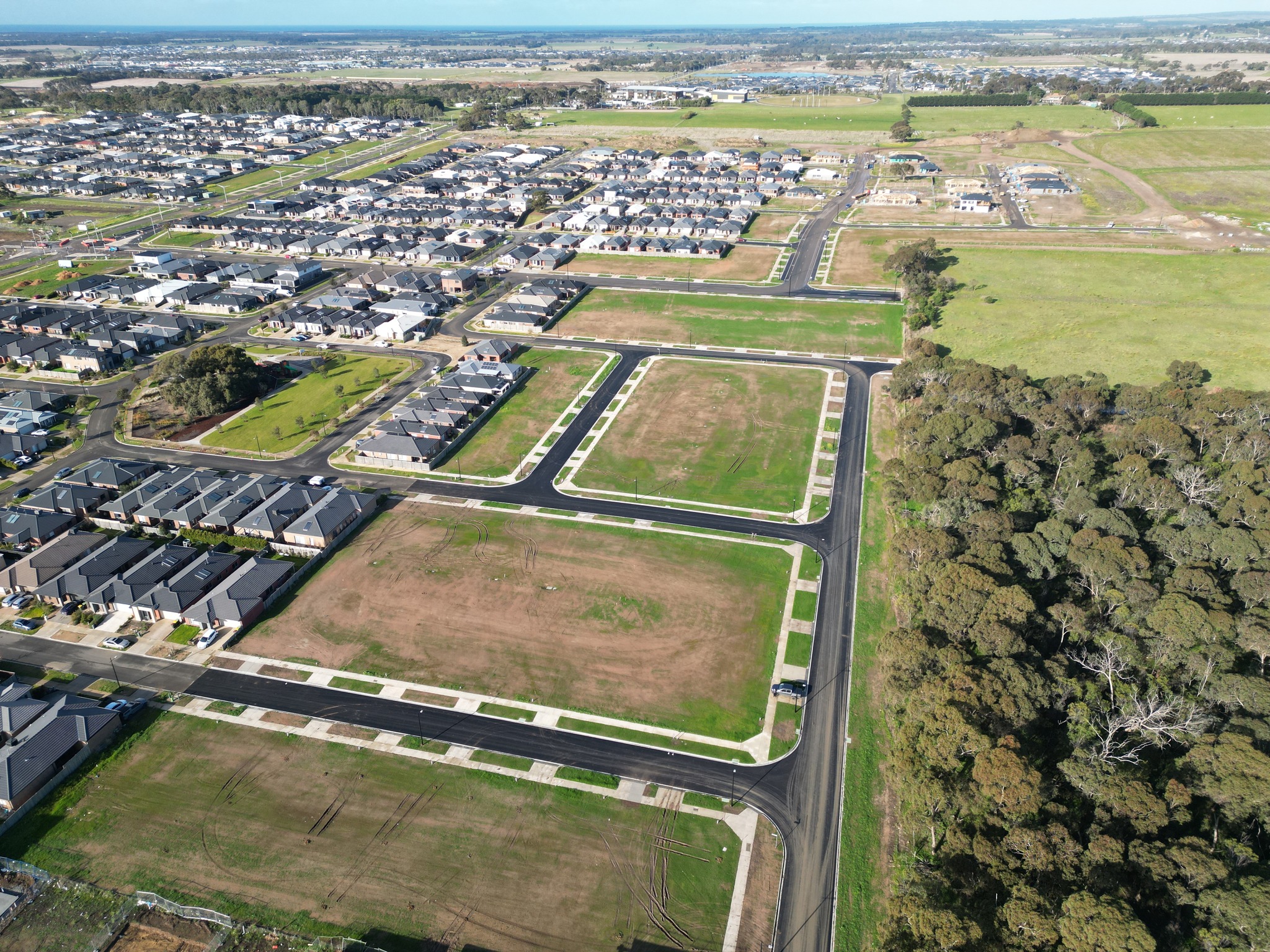
Drive south out of Geelong, past Marshall station and over the freeway, and you hit land that barely existed as suburbia ten years ago. Charlemont was farmland on the edge of the city until 2012, when it was gazetted as part of the Armstrong Creek growth area. Now the bulldozers are still working. Streets named Snow, Stannis and Baelish run through Charlemont Rise, the masterplanned estate at the heart of the suburb.
Geelong's CBD is fifteen minutes north. Torquay and the Surf Coast are fifteen minutes south. In between, a young community is forming around new schools, new playgrounds, and a community hub still being designed. Most people here moved in this decade.
Mortgage stress is real. Many buyers stretched into a new-build at the top of their budget and then watched rates climb. Streets are full of houses where neighbours don't yet know each other, where parents juggle long commutes into Geelong or Melbourne, and where loneliness runs quietly underneath the busyness. The newness of everything is both the appeal and the ache.
The anchors are the schools, the junior sport clubs, the new community hubs being built, and the slow social gravity of school gates and shared cul-de-sacs. The Wadawurrung land, the wetlands, and the proximity to the coast pull people outdoors. Connection here has to be made on purpose. It rarely happens by accident.

Charlemont sits in the demographic sweet spot of a young-family church plant. A median age of 31. More than a third of residents aged 15 to 34. Families with children above the national average. A growth area still adding thousands of homes each year, with the community hub, new schools and shopping precinct all still being built around the people moving in.
The secular trend means most of these new arrivals have no church background. The opportunity is to be present early, before patterns set, and to offer a contemporary expression of faith that fits the rhythm of young families in their first home. Schools, sports clubs and the new community hub all become natural connection points.
The challenge is real. Building community in a suburb where everyone is new takes time, persistence and a willingness to keep showing up before anything visible takes shape. But the demographic, the cultural moment and the sheer rate of growth all point the same direction. There is room here for a church that grows up alongside the suburb itself.
Charlemont's spiritual landscape leans noticeably more secular than the national picture. Nearly half of residents tick no religion on the census, well above the Australian average, and Christian affiliation sits below the national figure. This is a young, mobile, tertiary-educated cohort that has largely grown up outside church. Faith is not hostile here, just absent from the default. Most newcomers have never been part of a Sunday-morning rhythm and have no inherited reason to start one.

The Armstrong Creek growth area has tens of thousands of new residents and a small but growing church presence. Lightpoint Church meets in Armstrong Creek itself. Hillsong Geelong gathers weekly fifteen minutes north. City on a Hill has a strong presence in East Geelong. Beyond these, the contemporary evangelical and Pentecostal landscape across the southern Geelong growth area is thin relative to the population it now serves.
The gap is in young-family contemporary church planted directly inside the growth area, walking distance from the new estates, with kids ministry built for the demographic and a worship culture that fits a 31-year-old median age. The community is forming faster than the churches inside it.
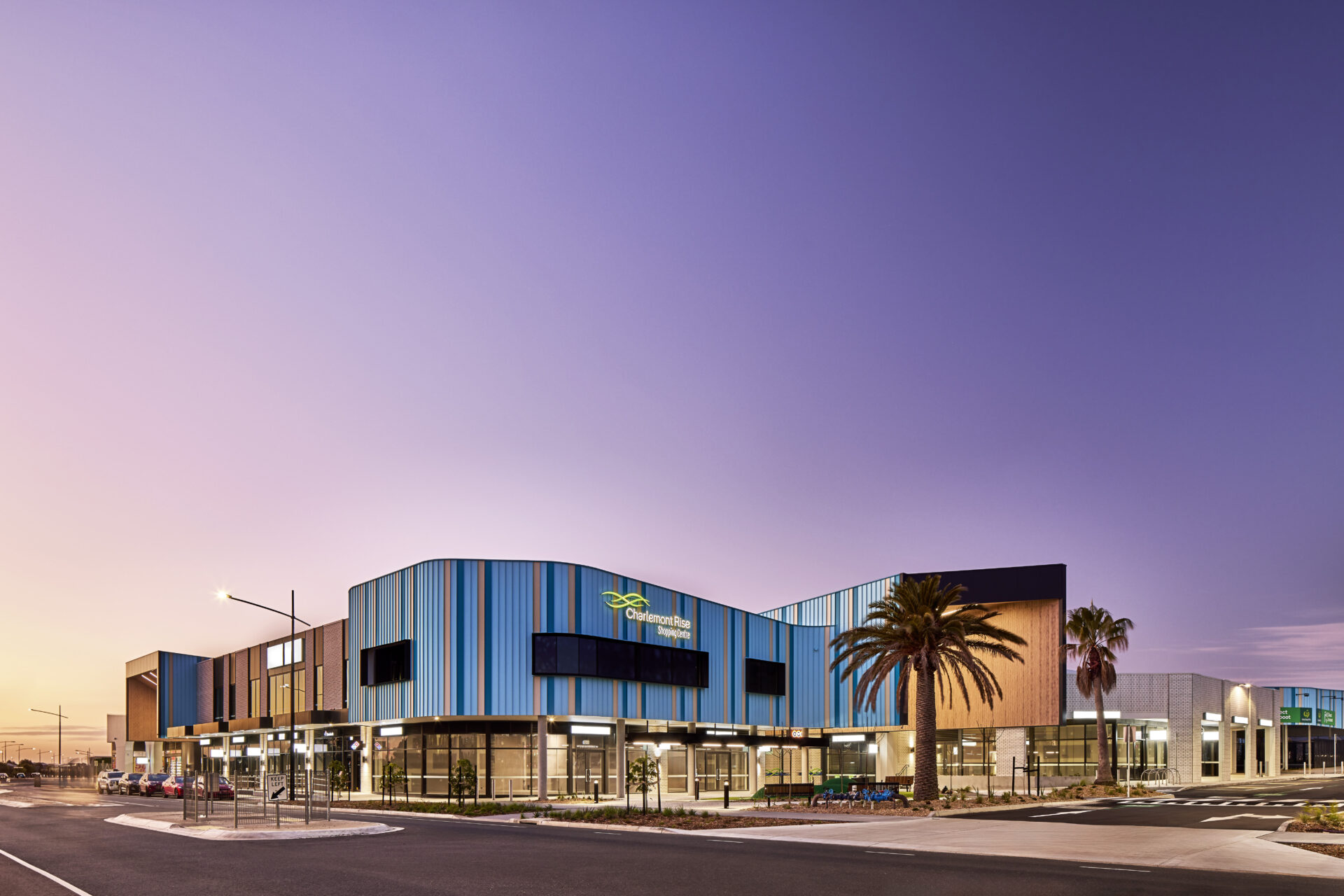
Cost of Living and Housing. Charlemont is where younger Geelong buyers come for a new build at a price the inner suburbs no longer offer. Median house prices sit well below Melbourne and below central Geelong, with land releases still active. Rentals are tight but cheaper than the Surf Coast next door. Most homes are five years old or less.
Schools and Kids. Armstrong Creek School and St Catherine of Siena Primary serve the area, with early learning centres and a Catholic primary inside the growth area. Older kids travel to secondary schools in Grovedale and Marshall. New playgrounds and conservation parks are walking distance from most homes.
Weekend Life. Saturday morning is junior sport, the bakery, and a drive to Torquay or Barwon Heads to swim. Sundays often mean Bunnings, the new shopping village, or a wander through the wetlands at Sparrovale. The beach is closer than the Geelong CBD.
Town Centre and Vibe. Charlemont doesn't have an old town centre. The activity hub is the Armstrong Creek shopping village a few minutes drive away, with a supermarket, pharmacy, cafes and takeaway. A new community hub is planned for the corner of Amber Avenue and Precinct Road.
Nightlife and Culture. For a night out, residents drive into Geelong's waterfront precinct or down the highway to Torquay. Locally, life is quiet after dark. Most weeknights are footy training, kids in bed by eight, and a Netflix wind-down. This is not a going-out suburb. It's a young-family suburb.
Geelong CBD. Around 15 minutes by car. Waterfront, hospital, university campus, and the V/Line train to Melbourne all sit in the central area.
Torquay and the Surf Coast. Around 15 minutes south. Beaches, surf shops, cafes and the gateway to the Great Ocean Road are an easy weekend drive.
Marshall Train Station. Around 5 minutes by car. The closest V/Line station, with services into Geelong and on to Melbourne's Southern Cross.
Barwon Heads and Ocean Grove. Around 15 to 20 minutes east. Bellarine Peninsula villages, family beaches and weekend markets.
Melbourne CBD. Around 75 minutes by car or train. Close enough for a day trip, far enough that almost no-one commutes daily.
Avalon Airport. Around 30 minutes north. Domestic flights and the regional gateway for travellers heading inter-state.
Saturday morning at the local oval, the carpark fills with utes, prams and people-movers. Coffees from the village, kids in soccer kits, parents who moved here in the last three years and are still learning each other's names. This is a young-family suburb. The median age is 31. More than a third of residents are aged 15 to 34. Tradies, healthcare workers, teachers, public servants, FIFO workers and Geelong commuters dominate the working population.
Most residents are Anglo-Australian, with smaller communities from England, Ireland, Italy, Vietnam and Scotland. The Wadawurrung people are the traditional owners of this land, and the First Nations population sits noticeably above the national average. The cultural mix is gentler than Melbourne's outer west, but the area is becoming steadily more diverse as Melbourne buyers, regional movers and first-home buyers all arrive in the same streets.
Young-family-stage, comfortable in a tradie-and-teacher culture, willing to be the new face on the school sideline. Can talk Cats AFL, knows the difference between Torquay and Jan Juc, doesn't mind a backyard barbecue running long.
Patient with the slow pull of community formation in a brand-new suburb. Strong on hospitality, kids ministry and connection over polished production. Someone who can build a culture from a school hall or community centre and not need a building for the first five years.