
A young, family-heavy growth area on Melbourne's south-east edge, where new estates keep stretching into former farmland and a strikingly diverse population is putting down first roots.
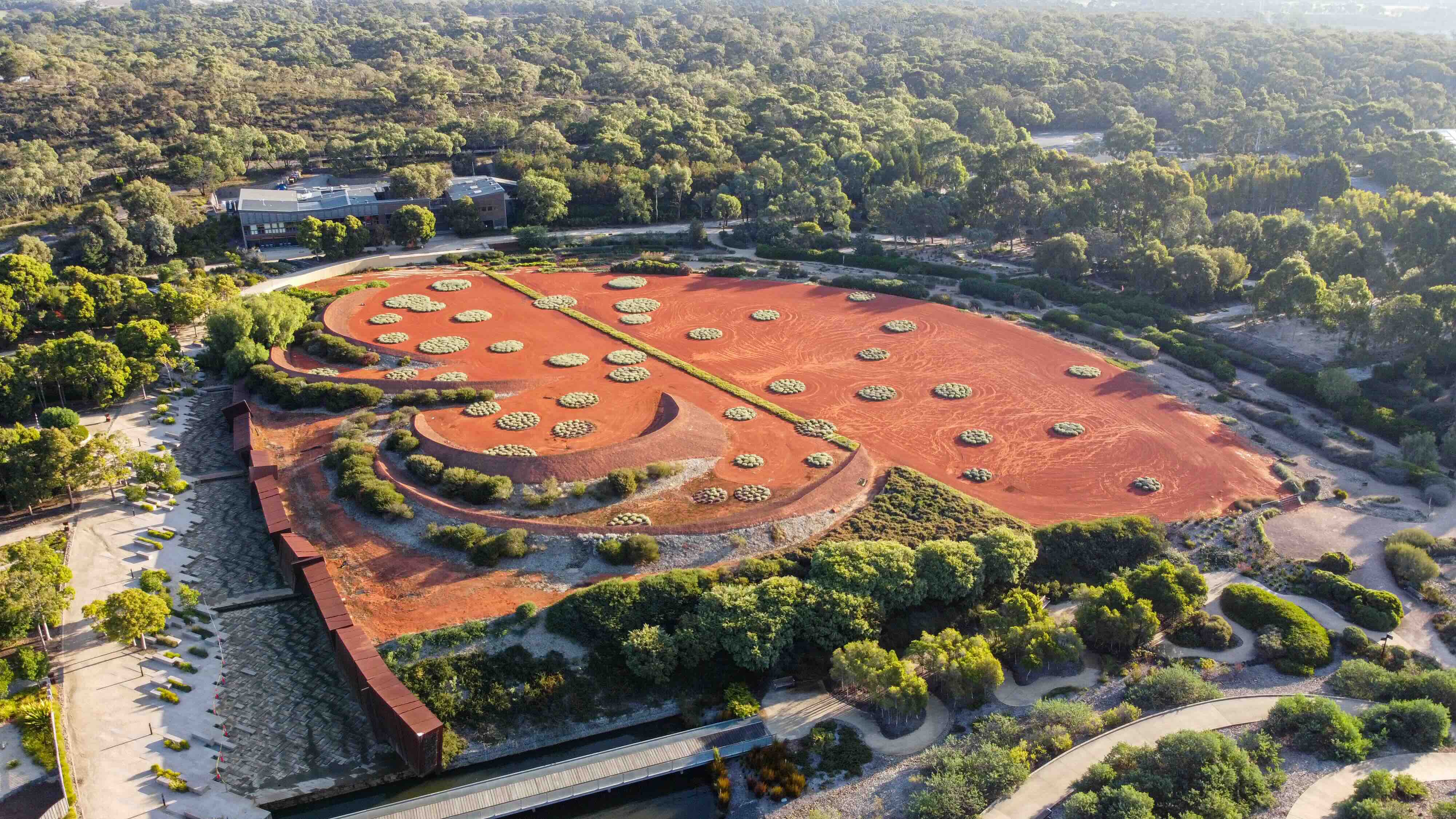
Cranbourne East sits about 45 kilometres south-east of Melbourne's CBD, inside the City of Casey. A decade and a half ago this was paddocks. Today it is one of Victoria's fastest-filling growth fronts, with new estates pushing toward Clyde and the rail line preparing to extend deeper into the area.
The southern half of the suburb leans newest: brick-and-render homes on tight blocks, primary schools built in the last few years, a community hospital just opened in 2025, and shopping clustered around Hunt Club Village. The community is still figuring out who it is.
Mortgage stress is the quiet weight in many homes. New buyers stretched into a seven-figure purchase and now feel every interest rate movement. Loneliness is real in the newer streets where neighbours moved in last year and still don't know each other. Family violence services are deeply needed across Casey. Some long-distance commutes leave parents away from home before kids wake and back after they're in bed.
The anchors that hold the community together are schools, junior sport, faith communities, and a cluster of cultural and family networks running through South Asian and Sri Lankan households. Casey Fields, the Royal Botanic Gardens Cranbourne, the new community hospital and the local shopping centres are the everyday meeting places. Nothing glamorous. All of it essential.
Cranbourne East offers an unusual combination: a young population, large families, deep cultural diversity, and a faith openness that runs higher than the Australian average. Nearly a third of residents are aged 15 to 34. More than six in ten households are couples with children. The suburb is still being built, which means the social fabric is still being woven.
The window is now. Once estates fill out and patterns set, opportunities to shape a community's rhythms become harder to come by. A church that arrives early, weeks into people's first year in their new home, can become a foundational part of the suburb's identity rather than an addition to a settled landscape.
The challenge is honest: this is a tired, stretched, still-forming community where many residents work long hours and commute far. It will take patient, embedded ministry. But the soil is unusually fertile, and the harvest is unusually young.
Cranbourne East is less secular than the national picture but moving in the same direction. Christian affiliation sits at 35.9%, below the national 43.9%, while only 28.0% identify as non-religious, well under the 38.9% national figure. The gap is filled by significant Hindu, Sikh, Buddhist and Muslim populations brought by migration. Faith is part of daily life for many residents in a way it no longer is in inner Melbourne, but specifically Christian identification is softer than the Australian average and continues to drift downward in the younger generation.

The contemporary evangelical and Pentecostal church footprint in Cranbourne East itself is thin. A handful of charismatic congregations sit in central Cranbourne, with Turningpoint Church and a small number of independent Pentecostal works listed in the area. Crosspoint Baptist sits in Cranbourne East directly. The Catholic, Anglican and Presbyterian parishes serve the older Cranbourne core.
Given the population already past 12,000 in the southern half alone and growing fast, the contemporary church-to-resident ratio is low. There is real room for a Spirit-filled, family-friendly congregation that speaks the language of young multicultural Australia, has the cultural confidence to welcome South Asian, Sri Lankan and Anglo families into the same room, and feels built for a suburb that is still figuring out who it is.

Cost of Living and Housing. Cranbourne East is a million-dollar suburb on a tradie's budget. Median house prices sit around the $740,000 mark, well below inner Melbourne but stretching for buyers who priced out of closer-in suburbs. Most homes are new builds on small blocks. Rents track around $590 a week, and mortgage stress is a real conversation at school pickup.
Schools and Kids. Schools are being built almost as fast as the houses. Cranbourne East Primary, several newer state schools, and Catholic options like St Therese's and St Peter's College serve the area. With more than six in ten households being couple families with children, the school gate is the social engine of the suburb.
Weekend Life. Saturday mornings run on junior sport, the Royal Botanic Gardens Cranbourne, and trips to Casey Fields where the Casey Demons play. Families spill into the parks. The Australian Garden, just up the road, draws visitors who didn't expect to find that kind of native landscape this far out.
Town Centre and Vibe. Hunt Club Village is the everyday hub, with a Woolworths, an Aldi and a strip of small businesses. The bigger shop is Cranbourne Park in central Cranbourne. The whole area still feels under construction in places, with civil works and new estates ongoing toward Clyde.
Nightlife and Culture. Quiet by design. There is no nightlife strip in Cranbourne East itself; Friday nights run on takeaway, the local clubs, or a drive into Berwick or Dandenong for a meal out. Most cultural life happens through the schools, the temples and the churches, not the venues.
Melbourne CBD. Around 45 kilometres north-west, roughly an hour by car off-peak and longer in traffic. The Cranbourne train line connects through Dandenong.
Dandenong. 15 to 20 minutes by car. The major employment, retail and transport hub for Melbourne's south-east, and a key destination for shopping and services.
Cranbourne Community Hospital. Five minutes away. Opened in 2025 by Monash Health, offering urgent care, day surgery, dialysis and mental health support. A significant local addition.
Casey Hospital, Berwick. 15 to 20 minutes by car. The main acute hospital for the region.
Royal Botanic Gardens Cranbourne. Five minutes. Home to the Australian Garden, a destination for residents and visitors alike.
Mornington Peninsula beaches. 30 to 40 minutes south, putting weekend coast trips well within reach.
Saturday morning in the Cranbourne East estates, the streets fill with the school run, the Bunnings run, the auntie-and-uncle visit. This is one of the most culturally diverse parts of outer Melbourne. Punjabi, Sinhalese, Malayalam, Hindi and Tamil are spoken across the suburb, on top of strong English-speaking and Anglo-Australian populations. South Asian and Sri Lankan communities are particularly visible, with families who have moved out from inner suburbs in search of newer, larger homes.
The work mix leans toward trades, healthcare, retail, transport and aged care. Median age is 30, well below the national 38, and households skew young, married, kid-heavy. First Nations residents make up 6.1% of the population, a notably higher share than most Melbourne suburbs, reflecting the City of Casey's broader Aboriginal community presence.
Multiculturally fluent. Comfortable in a room where four or five heritages are represented at the morning tea table. Confident with families, with kids underfoot, with junior sport conversations, and with the quiet pastoral work of mortgage stress and isolation.
Probably mid-thirties to mid-forties, ideally with school-age kids of their own so the planter family lives the same week as the people they're reaching. Patient with the grind of building community in a place where neighbours are strangers. Not afraid of the slow work.