
Once paddocks and small holdings, Cranbourne South is now one of Melbourne's fastest-growing semi-rural pockets. New estates push south from Cranbourne, the Royal Botanic Gardens sit on the doorstep, and young families are pouring in.
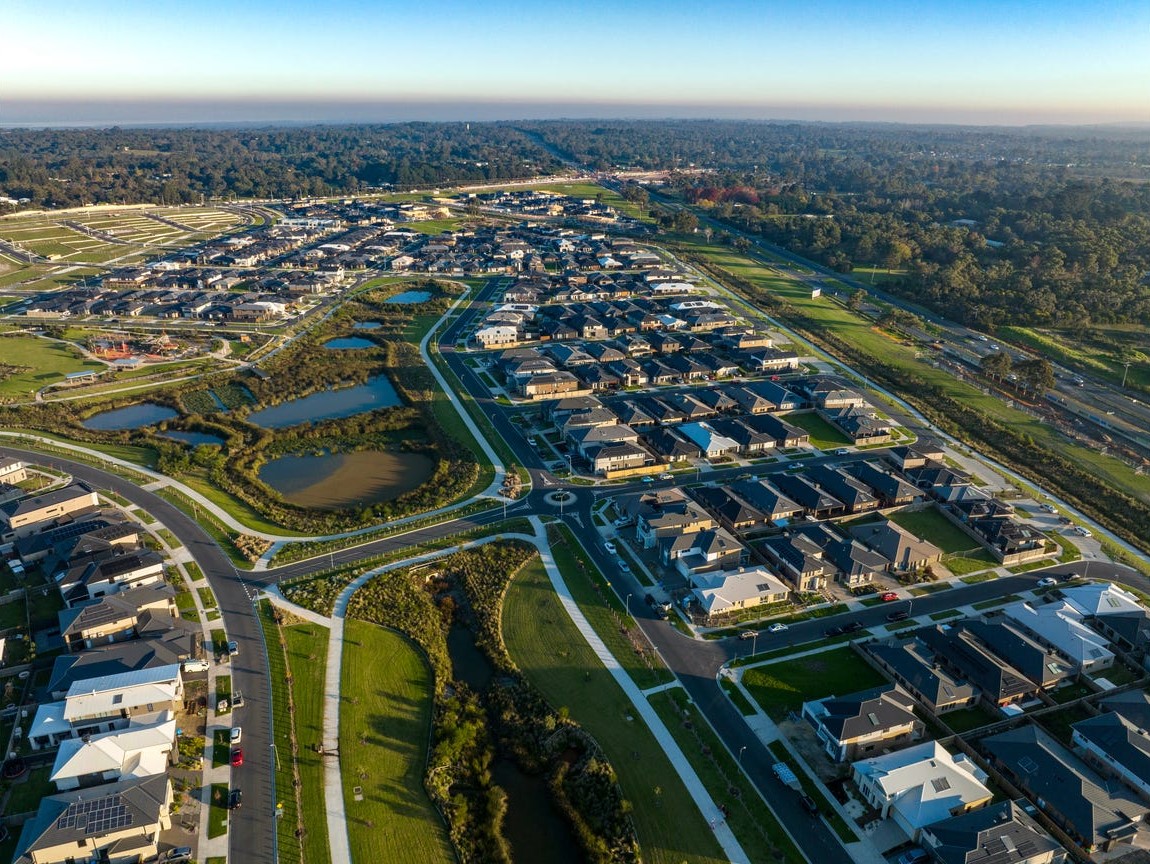
Drive south out of Cranbourne, past the racecourse and the edge of the Royal Botanic Gardens, and the streets begin to open out. Larger blocks. Newer roofs. Construction fences where paddocks used to run all the way to the highway. Cranbourne South sits on the southern edge of the City of Casey, one of Victoria's fastest-growing local government areas.
For years this was a quiet rural-residential pocket of horse properties and hobby farms. Then the urban growth boundary moved, the Botanic Ridge estate took shape on its eastern flank, and a wave of young families started arriving from Cranbourne, Frankston and further afield, chasing space, a backyard and a mortgage they could just about wear.
Mortgage stress is real here. Many families have stretched into a new build or a freshly subdivided block and are now navigating rate rises, long commutes and the daily logistics of getting kids to school and parents to work in opposite directions. The newer estates are still bedding in socially. Neighbours wave but don't always know each other's names yet. For young dads, men's mental health and isolation sit just beneath the surface of a busy life. For newly arrived migrant families, finding a community that feels like home can take years.
The anchors are the schools, the junior sports clubs, the Botanic Gardens, the Cranbourne RSL, and the slow social gravity of school gates and weekend grounds. Community cohesion gets built one Saturday morning, one school working bee, one shared driveway chat at a time. Nothing flashy. All of it essential.
Cranbourne South carries almost every marker of a strong planting opportunity. Population is climbing at more than ten times the national rate. Median age is well below the national figure. Almost six in ten households are families with children. Young adults aged 15 to 34 make up a larger share of the population than the national average, and they are arriving in real numbers as new estates fill.
The cultural moment matters too. This is a community in formation. New streets are still figuring out what kind of neighbours they want to be. Schools are still bedding in their parent communities. The social fabric is being woven in real time, and a church that arrives early can become part of that weave rather than trying to retrofit itself in later.
None of this will be easy. Outer-suburban planting is a long game of school gates, sidelines and slow trust. But the demographic wind is at your back here in a way it simply isn't in much of Melbourne, and the spiritual ground is more open than the secular trend lines suggest.
Religious affiliation in Cranbourne South is sliding in the same direction as the rest of outer Melbourne, only faster. More than four in ten residents now mark no religion on the census, and Christian affiliation sits below the national average. The shift here isn't ideological hostility so much as quiet drift: young families who grew up in nominal Christian homes, didn't carry a faith into adulthood, and now find their weekends absorbed by sport, work and renovation. The door isn't shut. It's just not been knocked on by anyone they trust.

The closest charismatic church is turningpoint Cranbourne, a CRC affiliate sitting just up the road in the Cranbourne township. A handful of Baptist congregations cover parts of the contemporary evangelical space in the broader area. There is no C3 presence anywhere in Cranbourne South or its immediate surrounds, and Pentecostal options thin out quickly once you move south of the Cranbourne township.
The gap is in a contemporary, family-shaped, Spirit-filled church that meets the cultural texture of this rapidly growing semi-rural fringe: young families, dual-income households, time-poor parents, a culturally mixed congregation pool, and thousands of new residents who don't yet have a church home and aren't likely to walk into a traditional one.
Cost of Living and Housing. Cranbourne South sits in the family-affordable belt of outer south-east Melbourne. Median house prices run noticeably below Melbourne's metropolitan average, and most of what you'll see for sale are detached homes on generous blocks, with newer estate housing coming through on the eastern side. Rentals are tight but cheaper than anywhere closer to the bay.
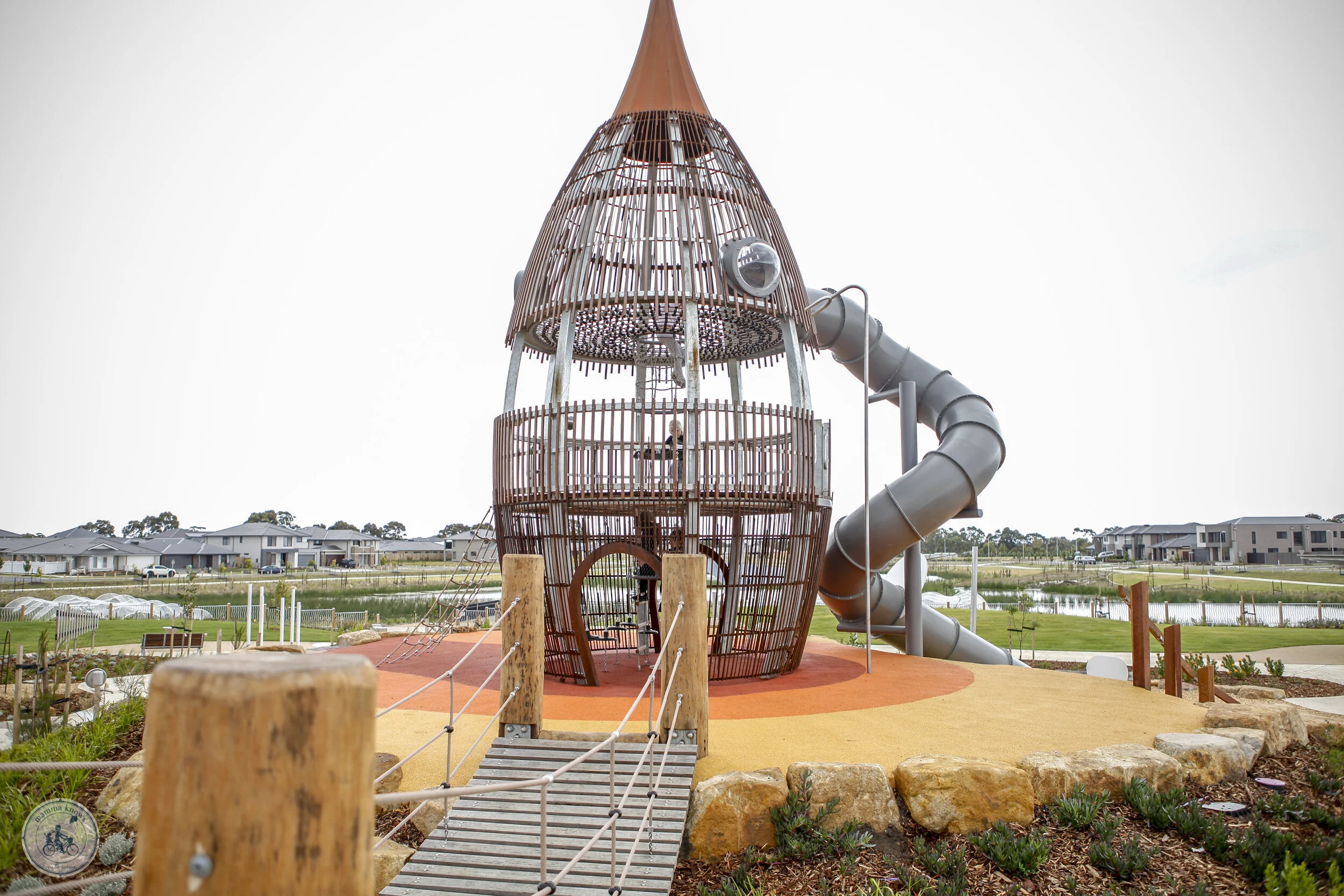
Schools and Kids. Families are spoilt for choice in the broader Cranbourne area, with state primaries, Catholic primaries and several large secondary colleges within a short drive. The Royal Botanic Gardens Cranbourne, with its acclaimed Australian Garden, sits right on the northern edge of the suburb and functions for many local families as a giant backyard.
Weekend Life. Saturdays look like junior footy and netball at the grounds in Cranbourne, a coffee run on the way home, and a wander through the Botanic Gardens with the kids when the weather is good. Western Port Bay and the Mornington Peninsula are both inside half an hour, so beach days and bushwalks are easy to fold into the rhythm.
Town Centre and Vibe. The suburb itself doesn't have a town centre. Day-to-day shopping happens at Cranbourne Park Shopping Centre, the Thompson Parkway complex and the Cranbourne Homemaker Centre on the suburb's northern border. The vibe is unpretentious outer-suburban: utes, school runs, Bunnings on a Saturday morning.
Nightlife and Culture. Nobody moves to Cranbourne South for the nightlife. What's on offer is local pubs, RSL meals, and the racecourse on Cup day. For anything more, residents drive: Frankston has the bigger food and drink scene, and the CBD is reachable by train from Cranbourne station.
Melbourne CBD. Around 50 to 60 minutes by car off-peak; longer on the M1 in peak. Cranbourne train station is roughly 10 minutes' drive and runs direct to Flinders Street.
Frankston. 20 to 25 minutes by car. The closest large regional centre, with a hospital, TAFE, the bay foreshore and a developed shopping and food strip.
Dandenong. 25 to 30 minutes via the South Gippsland Highway. Major employment hub for the south-east, with manufacturing, logistics and the regional hospital.
Mornington Peninsula. 30 to 40 minutes to the wineries, beaches and bushland of the peninsula's eastern side.
Royal Botanic Gardens Cranbourne. Five minutes. Native gardens, walking tracks and the celebrated Australian Garden, all on the suburb's doorstep.
Tullamarine Airport. Around 70 minutes by car via the M1 and CityLink.
Saturday morning at the Cranbourne junior sport grounds, the carpark fills with utes, dual cabs and seven-seaters. Tradies in hi-vis stopping by between jobs. Mums coordinating sausage sizzle rosters. Grandparents in folding chairs on the sideline. This is a community of trades and healthcare workers, professionals who commute up the highway to Dandenong or the city, and young families who couldn't quite afford Berwick or the bay and found something better here: more land, more breathing room, a fresh start.
The cultural mix runs deeper than the outer-suburban stereotype suggests. The City of Casey is one of the most culturally diverse local government areas in Victoria, with significant South Asian, Pacific Islander, African and Southeast Asian communities woven through the broader Cranbourne population. First Nations residents make up a noticeably higher share of the population than the national average. Median age is young. Children are everywhere. Almost six in ten households are families with kids, well above the national norm, and the streets feel it.
Unpretentious. Comfortable in outer-suburban Melbourne. Can hold their own at a junior footy sausage sizzle, a tradesman's quote and a multicultural family dinner in the same week. Patient with the long social runway of new estates.
Strong on family ministry, kids and youth, and able to lead a culturally diverse congregation with genuine warmth rather than tokenism. A planter who finds energy in school gates and sidelines, not just stages.