
Five kilometres west of the Melbourne CBD, Footscray is the inner-west's most diverse, most caffeinated, most contested square kilometre. Vietnamese and Ethiopian roots, a young creative class moving in fast, and a community still figuring out what it wants to become.
Cross the Maribyrnong River heading west out of the city and you arrive in Footscray. Once an industrial heart of meatworks and rail yards, then a landing point for successive waves of migration, now a suburb in the middle of a generational shift. Hopkins Street still smells of pho and Ethiopian coffee. Around the corner, a new apartment tower is going up beside a Federation cottage.
The state government has named Footscray one of Melbourne's Priority Precincts. Three train stations, the Sunbury, Werribee and Williamstown lines, the CBD ten minutes away. Vietnamese bakeries, the Footscray Community Arts Centre in an old bacon factory, the Western Bulldogs at Whitten Oval. The grit and the gentrification, layered on top of each other.
Footscray's ache is the ache of a suburb gentrifying faster than its conscience. Long-time Vietnamese and Ethiopian families are watching rents climb out of reach. Loneliness is real for the young renters in the new towers, who can be one of seven hundred people in a building and not know a single neighbour. Drug and homelessness issues persist around the station, visible enough that the council has run multiple campaigns. Underneath the cool-suburb headlines, plenty of people are quietly struggling.
The anchors are the things that have always held Footscray together. The market on a Saturday morning. The Western Bulldogs at Whitten Oval. The Footscray Community Arts Centre. Hopkins Street on any night of the week. Junior footy, soccer and lacrosse clubs at Angliss Reserve and around. The Heavenly Queen Temple drawing pilgrims. Slow social gravity rather than grand institutions, but it does the work.
Footscray is one of the youngest, most diverse, most spiritually open-minded square kilometres in Melbourne, and it is presently under-served by contemporary Pentecostal expression. Two in five residents are 15 to 34. Almost half tick no religion. Half a dozen migrant communities carry deep spiritual instincts that the dominant secular culture has not erased.
The cultural moment is real. A wave of young people are moving into Footscray for the food, the trains, the rents that are still cheaper than Brunswick. They are forming households, asking questions about meaning, raising the first wave of children in a suburb that did not used to be a family suburb. The state is pouring billions into a new hospital, the Metro Tunnel, the airport rail link. The next decade will reshape Footscray again.
The challenge is honest. This is not a soft-soil planting context. Footscray has heard Christianity and largely set it aside. Migrant communities are well-served in their own languages and not necessarily looking for an Anglo-led English-language church. But for a planter willing to listen first, build slowly and love this place on its own terms, the opportunity to gather a young, diverse, genuinely contemporary church in the heart of Melbourne's inner west is rare and significant.
Footscray sits well ahead of the national curve on secularisation. Almost half of residents tick no religion, against a national figure closer to two in five, and Christian affiliation has fallen to a quarter of the population. The shift is not hostile so much as preoccupied. This is a suburb of young renters, students and creative professionals whose lives are shaped by work, food, art and politics rather than the church their grandparents attended. Spiritual curiosity is alive, particularly across the Vietnamese, Ethiopian and Chinese communities where temple, mosque and church all carry weight, but the dominant cultural air a young Anglo-Australian Footscray resident breathes is post-Christian and progressive.

Footscray has a thin layer of established churches and not much in the contemporary Pentecostal space. Footscray Baptist runs English, Vietnamese and Kachin services from Paisley Street and is a faithful presence in the migrant community. Footscray Church of Christ holds a steady local witness. Citigate Church operates a Footscray expression in the Pentecostal stream. Beyond that, the closest C3 expression is C3 South Kingsville, around five minutes south, and Hillsong, Planetshakers and the larger contemporary churches all sit further afield in the CBD or eastern suburbs.
The gap is a contemporary, Spirit-filled church genuinely at home in inner-west creative, multicultural, post-Christian Footscray. A church that can speak the language of a 27-year-old graphic designer in a Yarraville share house, a Vietnamese second-generation professional, and an Ethiopian university student in the same room. That space is largely empty.
Cost of Living and Housing. Footscray was the bargain of the inner west for decades. Not anymore. Period cottages in the so-called Golden Triangle now sell for well over a million, and apartment towers along the Maribyrnong River have changed the skyline. Rentals stay tight. Cheaper than Yarraville or Seddon, dearer than anyone who grew up here remembers.
Schools and Kids. Footscray Primary, Footscray North Primary and Footscray City Primary serve the under-twelves. Footscray City College runs Year 7 to 12 next to Victoria University's Footscray Park campus. Childcare is stretched but available. Families exist in Footscray, but they are a minority in a suburb shaped by students and young professionals.
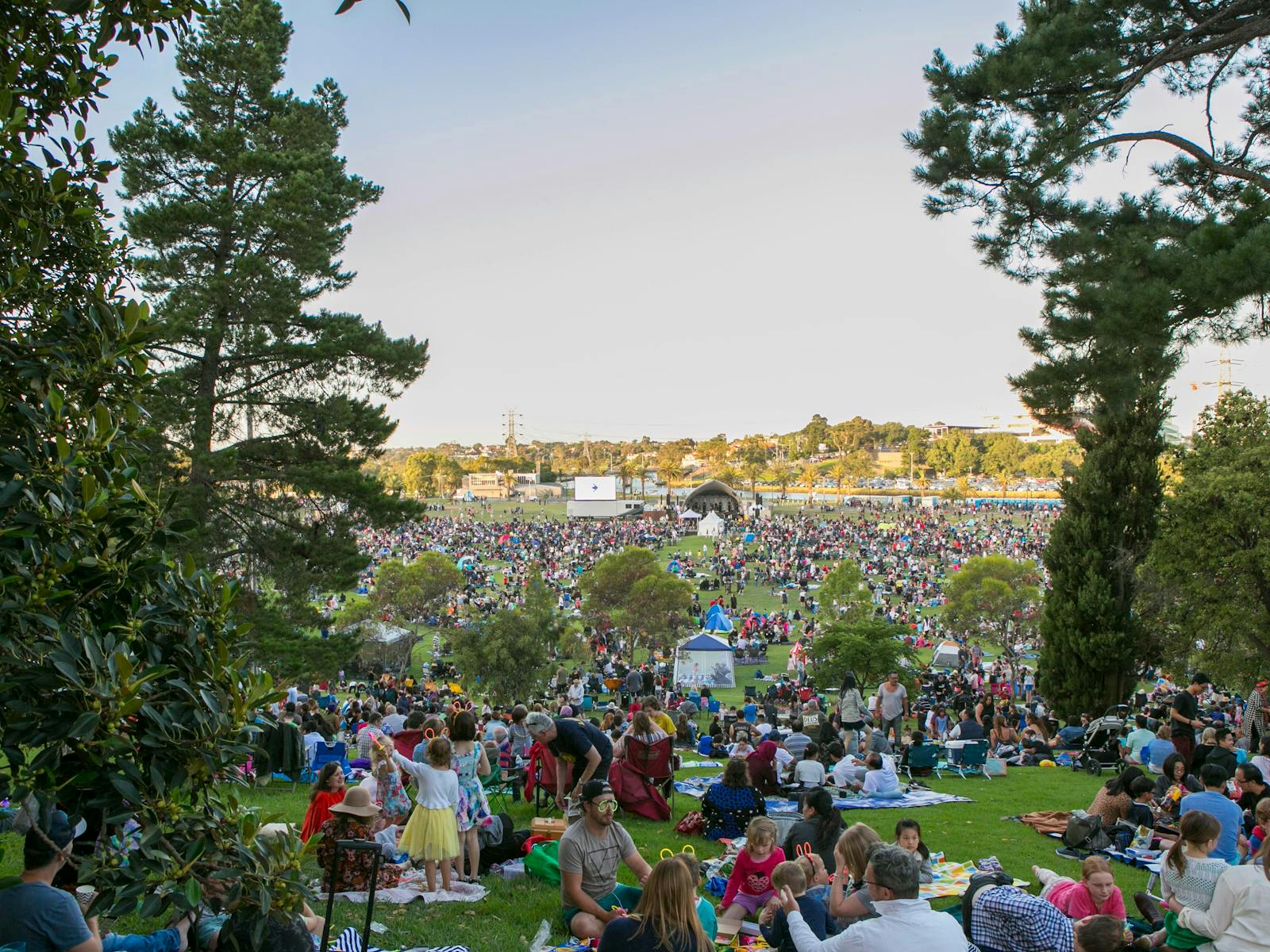
Weekend Life. Saturday morning is the Footscray Market under its brutalist concrete roof. Vietnamese grocers, the seafood hall, the smell of charcoal chicken. Afternoons drift toward the Maribyrnong River trail, Footscray Park's Edwardian gardens, or Quarry Park up on the western edge with its mountain bike trails and city skyline view.
Town Centre and Vibe. Hopkins Street and Barkly Street are the spine. Vietnamese pho houses, Ethiopian injera restaurants, Sicilian pasticcerias that have been there since the 1950s, and a wave of newer cafes in shipping containers and converted warehouses. The Footscray Community Arts Centre, in a former bacon factory, anchors the creative scene.
Nightlife and Culture. Footscray was named one of the world's coolest neighbourhoods by Time Out a few years back, and the bar and music scene has built on that. Craft beer pubs, late-night Vietnamese bakeries, the Sun Theatre nearby in Yarraville for an art deco cinema fix, and a steady drumbeat of festivals and gallery openings through the year.
Melbourne CBD. Five kilometres east. Three train stops on the Sunbury, Werribee or Williamstown line, around eight to ten minutes door to door. By car, ten to fifteen minutes outside peak.
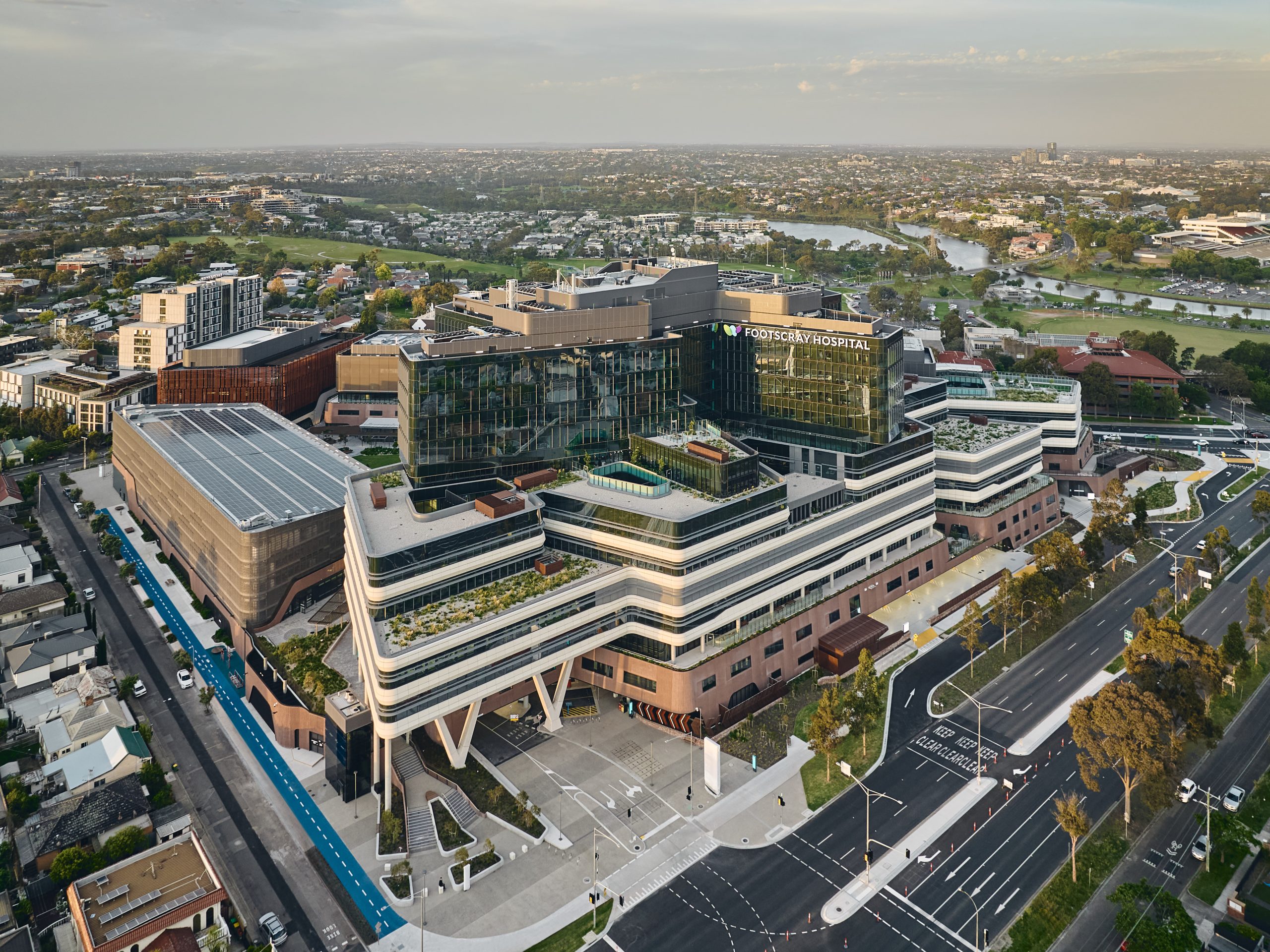
Footscray Hospital and Western Health. Footscray Hospital sits inside the suburb on Gordon Street. The new Footscray Hospital, a major state government build, is rising next door and is one of the largest hospital projects in the country.
Victoria University. The Footscray Park and Footscray Nicholson campuses sit on the eastern edge of the suburb, with thousands of students walking through every week and shaping the cafe and rental market.
Melbourne Airport. Around 25 to 30 minutes by car via the Western Ring Road. The Melbourne Airport Rail link, when it opens, will bring Footscray to roughly 18 minutes from Tullamarine.
Williamstown and the bay. Fifteen to twenty minutes south by train or car. Beachside cafes, the historic naval dockyard, weekend markets along Nelson Place.
Geelong and the west. Around an hour down the M1, with regular V/Line services from Footscray Station for commuters and weekenders heading to the Surf Coast.
Walk Hopkins Street on a weekday lunchtime and you hear half a dozen languages in the first block. Vietnamese grandmothers carrying bok choy out of the market, Ethiopian and Eritrean men at the coffee houses around Barkly Street, Italian and Greek elders who arrived in the 1950s and never left, students from Victoria University in groups of three and four, and young professionals in lanyards walking the platform at Footscray Station heading home from the CBD.
The demographic centre of gravity is young. Two in five residents are aged between 15 and 34. Families with children make up less than a quarter of households, well below the national pattern. The new arrivals are a mix of single renters, couples in their late twenties and thirties priced out of Fitzroy and Brunswick, and a steady flow of international students. The longer-standing communities, particularly Vietnamese and East African, are still here in numbers, but increasingly compressed by housing costs they did not see coming.
Culturally curious. Comfortable in diversity. Eats at the market on a Saturday and means it. Reads the room of a post-Christian, progressive inner-west crowd without flinching and without performing. Patient with slow gospel work in soil that has heard plenty of Christianity already and is not impressed by volume.
Theologically clear, pastorally warm, allergic to hype. At home with renters, students, artists and migrant communities at the same table. Willing to plant small and stay long. Not someone who needs a stage to feel called.