
Twelve kilometres west of the Sydney CBD, Homebush is one of the most culturally diverse suburbs in the country. A young, fast-growing inner-west community where Tamil, Mandarin, Korean and Hindi are heard on every street.
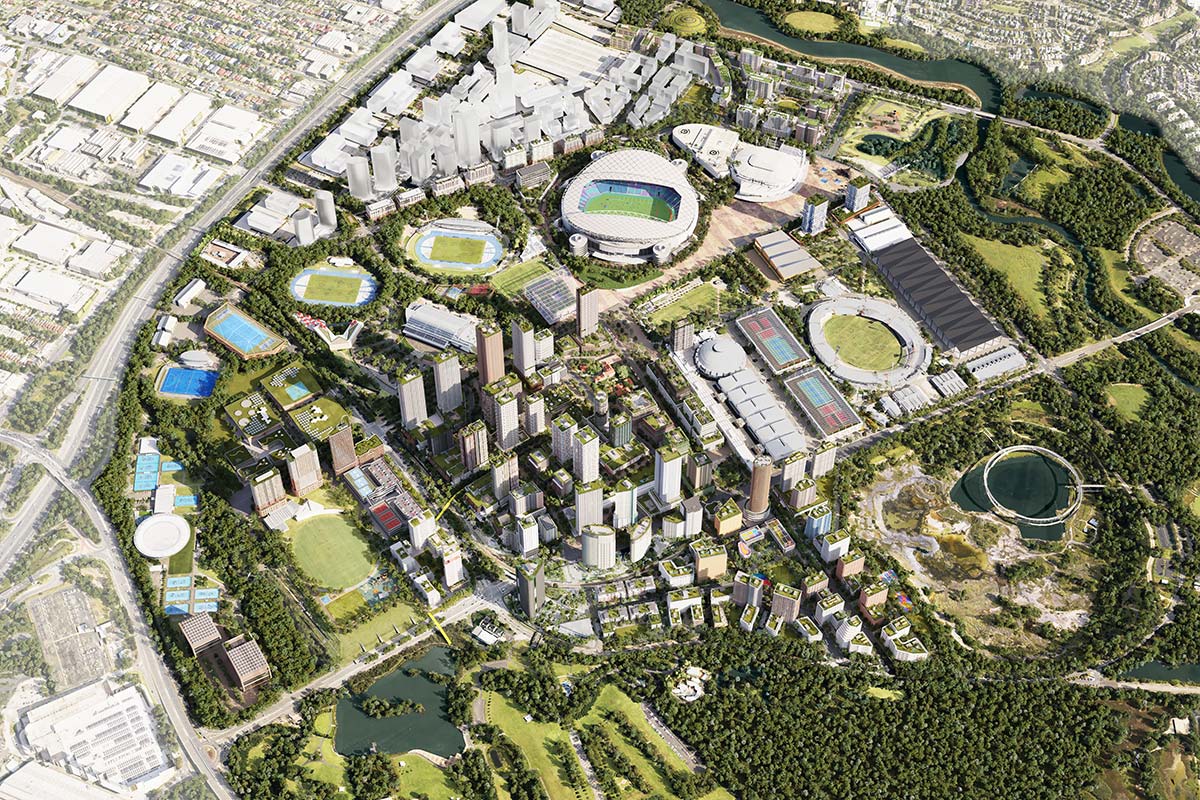
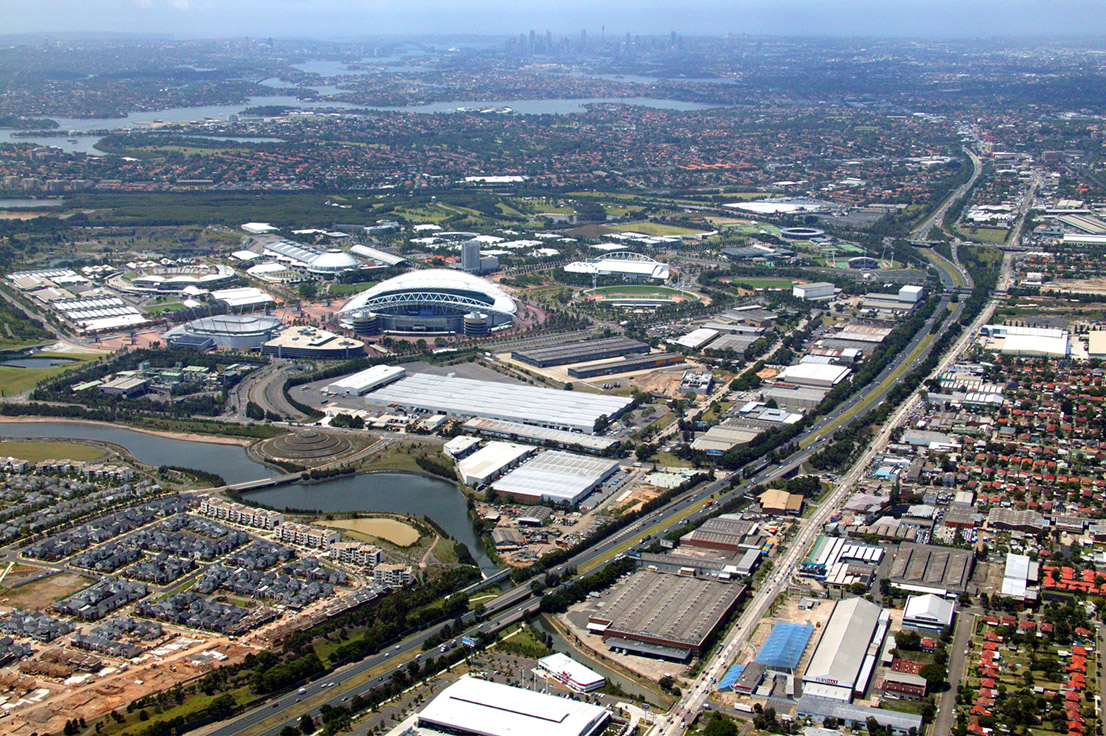
Drive west from the Sydney CBD along Parramatta Road and the streets begin to shift. Sari shops, Korean barbecue, Sri Lankan grocers, South Indian sweet houses. Homebush sits where the Inner West meets Olympic Park, bisected by the rail line and the M4, a historic village turned migrant gateway.
South of the station you'll find heritage cottages on tree-lined streets and the old commercial high street along Rochester Street. North and around the station, mid-rise apartments keep going up. The population has more than tripled in a decade. Nearly half of residents are aged between 15 and 34. This is one of the youngest, most diverse pockets of inner Sydney.
Homebush is a transit suburb in every sense. People move here for the train and the rent, work long hours, study at night, and don't always know their neighbours. Loneliness runs through the new towers, especially for international students and recently arrived families separated from extended kin overseas. Housing stress is real even for high earners. Mental health pressure on young adults under visa, study and work strain is a quiet but heavy current.
The anchors are cultural and religious rather than civic. Temples, mosques, gurdwaras and ethnic-language churches do much of the community-building work. Cricket clubs, Saturday markets, school P&Cs and the parklands at Olympic Park provide the rest. There is no village green here, but there is a deep web of diaspora networks holding people together.
Homebush carries every marker of high-impact opportunity. The youngest median age in inner Sydney. Nearly half the population aged 15-34. Population growth at 5.1% per year, four times the national rate. A direct rail line into the CBD and Parramatta. And a contemporary Christian footprint thin enough to count on one hand.
The cultural moment is significant. International students and skilled migrants from Hindu, Muslim, Buddhist and nominally Christian backgrounds are arriving in numbers, often spiritually open in ways their Anglo-Australian peers are not. They are looking for community, meaning and belonging in a city that can feel transactional and lonely. A church that takes their questions seriously and welcomes them in their twenties could shape lives for decades.
The challenge is real. Transience is high, English is a second language for many, and apartment-living congregations are harder to grow than suburban-house ones. But the opportunity to reach a young, plural, globally connected population at the geographic centre of Sydney is rare, and it is here.
The picture here is unusual. Christian affiliation sits at 24.3%, well below the national average, but the non-religious share is also low at 28.8%. The gap is filled by Hinduism, Islam, Buddhism and Sikhism. Homebush is not a secular suburb in the typical Australian sense; it is a religiously plural one, where most residents come from a faith tradition but only a minority are Christian. The cultural posture toward faith is open and curious rather than hostile, but Christianity is one option among many rather than the assumed default.
The contemporary Christian presence in Homebush itself is thin. The Strathfield-Homebush Baptist Church closed years ago. The Uniting parish runs a Tongan-language Koinonia service. A small Home Church congregation meets in St Anne's parish hall on the suburb boundary. Bayside Community Church serves the area from Concord West. The closest Pentecostal option is C3 Burwood, around ten minutes away.
What is missing is a contemporary, English-speaking, culturally fluent church that can reach the apartment-dwelling young adults and second-generation migrant families who actually fill these streets. With nearly 9,600 residents aged 15-34 in two square kilometres, almost none of them in a Sunday gathering, the gap is large and obvious.
Cost of Living and Housing. Homebush sits in inner Sydney, and prices reflect it. Detached houses on the heritage streets push past three million. The growth story here is apartments: hundreds of new units have come on line around the station, and median unit rents sit around $720 a week. Most under-35s rent. A two-bedroom apartment is the standard unit of family life.
Schools and Kids. Homebush Public School sits in the heart of the village, and Homebush Boys High serves the area. Strathfield's strong Catholic and independent school presence is a short drive away, including St Patrick's College Strathfield. Many migrant families chase the catchments hard, and tutoring colleges are a feature of life along Parramatta Road.
Weekend Life. Saturday morning means Flemington Markets next door, where the city's fresh produce changes hands before sunrise. Bicentennial Park and the Sydney Olympic Park parklands sit on the doorstep. Families walk the wetlands. Cricket and football fill the weekend ovals.
Town Centre and Vibe. The Crescent and Rochester Street form a small but busy village heart by the station. South Asian sweet shops, Korean cafes, a few old corner pubs. Walk the streets at dinner time and you'll smell five cuisines in a block. The vibe is dense, urban, alive.
Nightlife and Culture. Homebush itself is residential and quiet after dark, but Burwood's late-night Asian eat-streets are five minutes away, and the Sydney Olympic Park precinct hosts concerts, sport and festivals year-round. Most young residents go out locally rather than into the city.
Sydney CBD. 12 to 15 minutes by train on the Inner West line, or 20 minutes by car off-peak. The direct rail link is the suburb's defining asset.
Sydney Olympic Park. 5 minutes by car or a long walk. Stadium Australia, Qudos Bank Arena, the Aquatic Centre and the parklands all sit on the doorstep.
Parramatta CBD. 15 minutes by train or car along the M4. Western Sydney's commercial centre and a major employment hub.
Burwood and Strathfield centres. 5 minutes in either direction. Major shopping, restaurants and the Strathfield rail interchange.
Sydney Airport. 25 to 30 minutes by car. A draw for the many residents with international family ties.
Macquarie University and UTS / USyd. Both within 25 minutes by public transport. A significant share of residents are tertiary students.
Step off the train at Homebush on a weekday evening and you'll hear Tamil, Mandarin, Cantonese, Korean, Hindi and Punjabi before you hear English. Fewer than one in three residents was born in Australia. The largest communities trace back to India, China, Korea, Sri Lanka and Nepal, with substantial Vietnamese and Lebanese populations. This is one of the most linguistically diverse suburbs in the country, and English is spoken at home in fewer than three of every ten households.
The dominant story is young, professional and migrant. Median age is 31. Nearly half of residents are aged 15-34. Most work in professional services, healthcare, retail, finance and IT, commuting to the CBD or Parramatta. Many are recent international students or skilled-visa arrivals on the path to permanent residency. Couples and young families fill the new apartments; older Anglo-Australian and Italian families anchor the heritage streets south of the line.
Globally minded, comfortable across cultures, fluent in the language of young professionals and international students. Likely under 40, possibly second-generation migrant themselves, at home with curry house dinners and bubble tea conversations. Patient with people from non-Christian backgrounds asking first-time questions about Jesus.
Apartment-savvy. Comfortable building community without a building of their own. Suburban-megachurch instincts will not work here. The planter who thrives is relational, multi-ethnic in their networks, and willing to do small, slow, deeply personal ministry in a transient population.