
Mango Hill is a young, master-planned suburb 25 kilometres north of Brisbane, where two train stations, new estates and a steady inflow of young families have turned former bushland into one of south-east Queensland's fastest-growing communities.
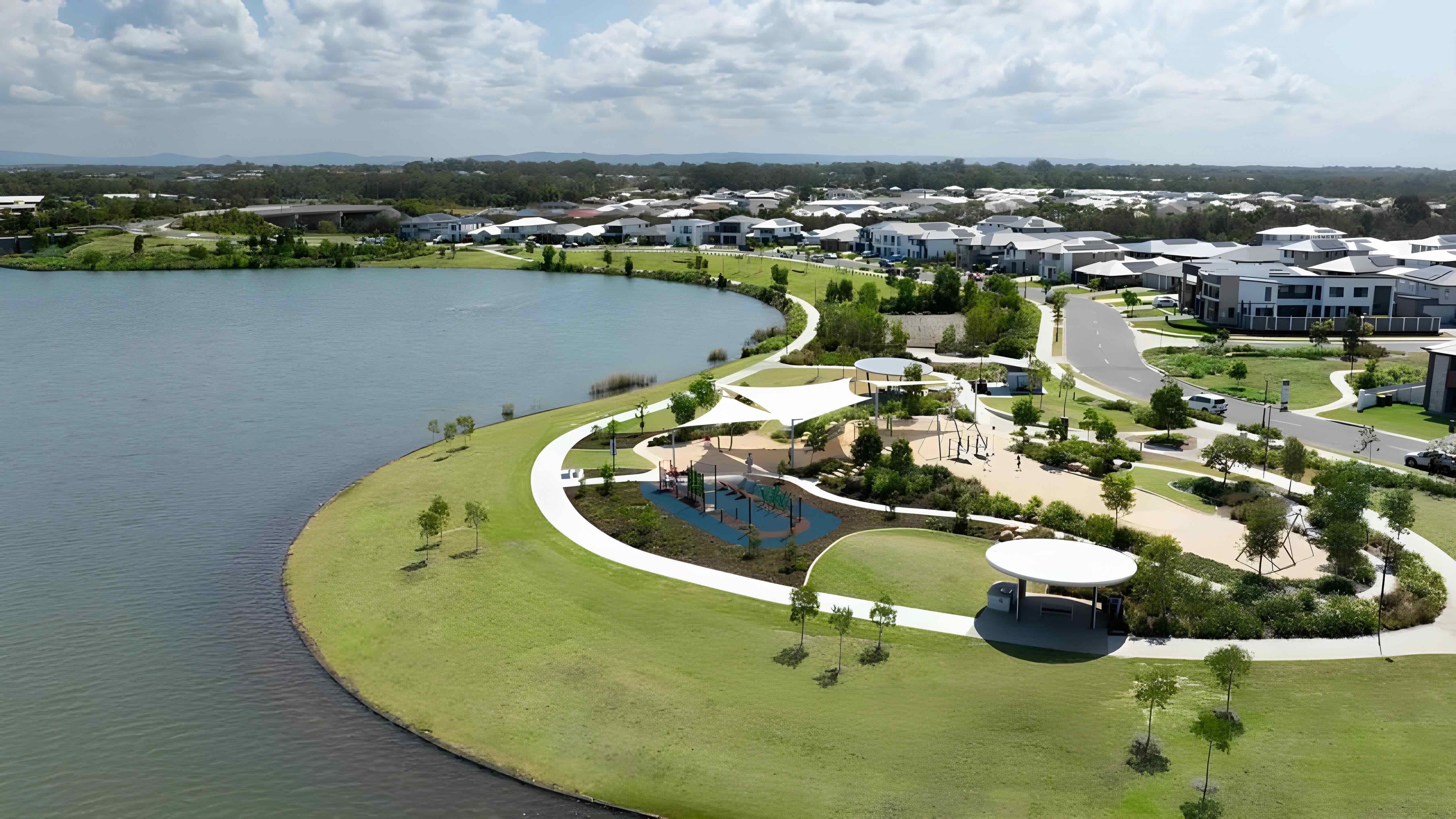
Drive north up the Bruce Highway, take the Anzac Avenue exit, and you arrive in a place that barely existed two decades ago. Mango Hill sits in the City of Moreton Bay, named for the line of mango trees planted along Anzac Avenue as a World War I memorial. In 2006 its northern half was carved off to form North Lakes, and ever since the two have grown together as one connected community.
The population has more than tripled since 2011. Two train stations opened in 2016. Westfield, IKEA and Costco sit minutes away. New estates around Capestone Lake and Halpine Lake keep filling with young families, and the suburb is still figuring out who it is.
The ache here is the ache of a brand-new suburb. Mortgage stress is sharp in households that stretched for a million-dollar home. Neighbours who moved in last year still don't know the family three doors down. The community infrastructure has not quite caught up with the population, and locals trade frustrations about traffic, train station parking, and the steady drumbeat of new townhouse approvals. Loneliness in young-mum households is a quiet but real undercurrent.
The anchors are the schools, the junior sport clubs, the Mango Hill Community Centre at Danzy Buchanan Park, and the slow social gravity of Capestone and Halpine Lakes on a weekend. The Mango Hill Progress Association still runs Christmas carols and skate nights. The Country Women's Association still meets at the community centre. Nothing flashy. All of it doing work the suburb genuinely needs.
Mango Hill carries almost every marker of strong opportunity. A young median age of 31. Young adults sitting just above the national share at 28.2%. Families with children at 63.6%, well above the national average. A population that has tripled in a decade and continues to climb as new estates fill. Two train stations and major retail on the doorstep.
The missional space is genuine. The existing Pentecostal and contemporary evangelical presence is small for a suburb of this size, while the demographic is exactly the demographic contemporary church reaches well: young parents, mobile workers, multicultural newcomers, people forming the rhythms of their adult life in a place they have only just arrived in.
The challenge is honest. Housing is expensive, time is scarce, and a brand-new suburb takes years to develop the relational thickness a healthy church needs. But for a planter willing to put down roots and walk slowly with a young community, the soil here is genuinely good.
Mango Hill sits almost exactly on the national fault line. Christian affiliation at 42.5% tracks just below the national figure, and non-religious at 39.4% tracks just above. What's distinctive is the trajectory: a young, mobile, family-stage population in a suburb without long-established faith communities means religious habit is being formed, not inherited. Most residents are open and busy rather than hostile. The window to be a meaningful presence is real, but the cultural default is drifting steadily toward the secular.

The Catholic presence is significant and growing, with St Benedict's parish serving thousands of families across Mango Hill, North Lakes and Griffin. The Pentecostal and contemporary evangelical footprint is much thinner. Axis Church operates a North Lakes campus, Church Alive runs locally, and New Beginnings Baptist meets in the Mango Hill State School hall. That is a small handful of congregations for a population approaching 15,000 with a young-family weight unusual in south-east Queensland.
For a suburb this size, this young, and this family-dense, the gap is real. There is room for a contemporary expression of church that connects with young parents, FIFO families and the multicultural mix moving through this community.
Cost of Living and Housing. Mango Hill is no longer a bargain. Median house prices have climbed close to a million dollars, and weekly rents sit comfortably above $600 for a family home. Stock is tight, days on market are short, and the suburb's affordability story is now firmly behind it. The mortgages here are real, and so is the pressure when interest rates move.
Schools and Kids. The schooling base is genuinely strong for a suburb this young. Mango Hill State School runs from Prep to Year 6 with more than 1,600 students. Mango Hill State Secondary College opened recently and put through its first Year 12 cohort in 2024. St Benedict's runs a P-12 Catholic campus on Anzac Avenue, and The Lakes College sits in nearby North Lakes. Families move here for the schools.
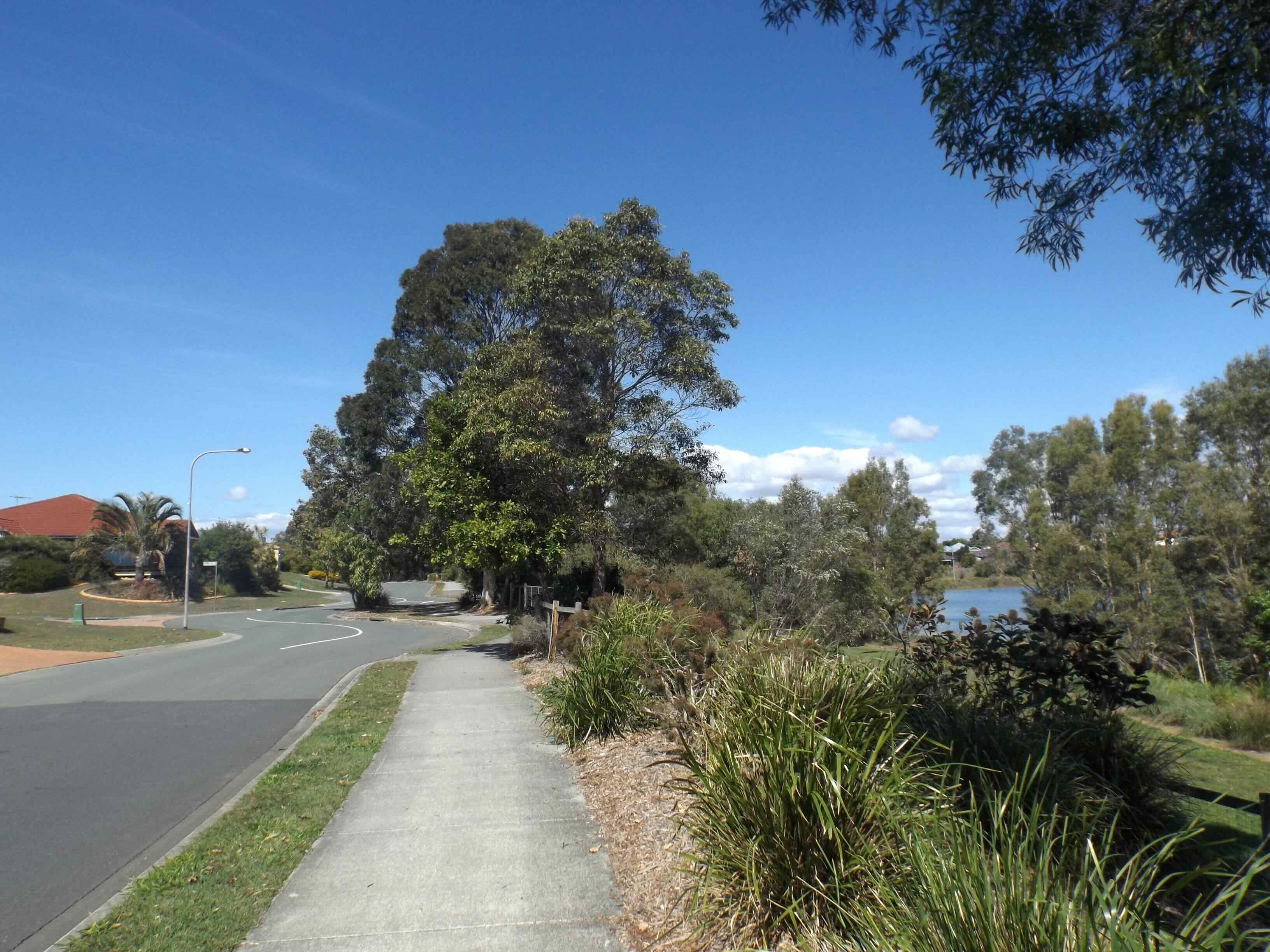
Weekend Life. Saturday morning belongs to junior sport, Capestone Lake walks, and a coffee run to the Mango Hill Market Place or across to North Lakes. Halpine Lake offers walking trails and open space. Redcliffe's beaches, fish-and-chip shops and jetty are 10 minutes away. The pace is family-paced, not glamorous, and that's the point.
Town Centre and Vibe. Mango Hill's local centre is small, but Westfield North Lakes is a stone's throw across Anzac Avenue and absorbs most of the heavy lifting. IKEA and Costco anchor the retail draw. The vibe is new-build Queensland: rendered facades, double garages, young trees still growing into their footprints, and a community still introducing itself to itself.
Nightlife and Culture. Genuine nightlife is thin on the ground locally. People drive into Redcliffe for restaurants on the waterfront, or down to Brisbane for anything bigger. Cafe culture is decent and growing. The cultural texture leans family, sport and church rather than bars and live music.
Brisbane CBD. Around 25 to 28 kilometres south. The train from Mango Hill station runs direct on the Redcliffe Peninsula line, putting commuters in the city in roughly 45 to 50 minutes.
Redcliffe Peninsula. 8 kilometres east. Beaches, the jetty, weekend markets and the Settlement Cove lagoon sit a 10 to 12 minute drive away.
Westfield North Lakes. 5 minutes by car. Full-scale shopping, cinemas, IKEA and Costco all sit immediately across Anzac Avenue.
Sunshine Coast. Caloundra is around 50 kilometres north up the Bruce Highway, putting the southern Sunshine Coast within an hour for a weekend.
Brisbane Airport. Around 25 minutes south down the Gateway Motorway, useful for fly-in fly-out workers and visiting family.
Caboolture. 17 kilometres north. Regional services, hospital and the gateway to the rural hinterland.
Saturday morning at the Mango Hill train station carpark, you watch families stream off the platform with kids on scooters, dads with iced coffees from the cafe strip, mums pushing prams toward the lakeside walking paths. The median age here is 31. Almost two-thirds of households are families with children. This is a suburb of first-home buyers and young families who priced out of Brisbane proper, tradies and healthcare workers, FIFO operators, teachers, and a steady stream of newcomers from the United Kingdom, New Zealand and South Africa who picked Moreton Bay for the climate and the schools.
Cultural texture is broader than the postcard suggests. Pacific Islander communities, particularly Samoan, Tongan and Papua New Guinean, are a visible presence through the Catholic parish and through the rugby clubs. Filipino and South American families are growing. First Nations residents make up 8.0% of the population, well above the national average, reflecting the broader Moreton Bay region's significant Indigenous community. The accents at school pick-up are genuinely mixed.
A planter with young kids of their own, comfortable at school gates and on the side of a junior footy field. Suburban-fluent. Easy with newcomers, because almost everyone here is one. Patient enough to stay for a decade while a community slowly forms around the church.
Practically, someone who can build from young families and parents-of-school-age out, who can hold a multicultural room, and who is undaunted by starting in a hired space without a building of their own for a long time. Not a stage personality. A neighbour.