
Fletcher barely existed in the early 2000s. Now it's a fast-growing family belt of masterplanned estates between Wallsend and Minmi, with Maryland on one side and bushland on the other.
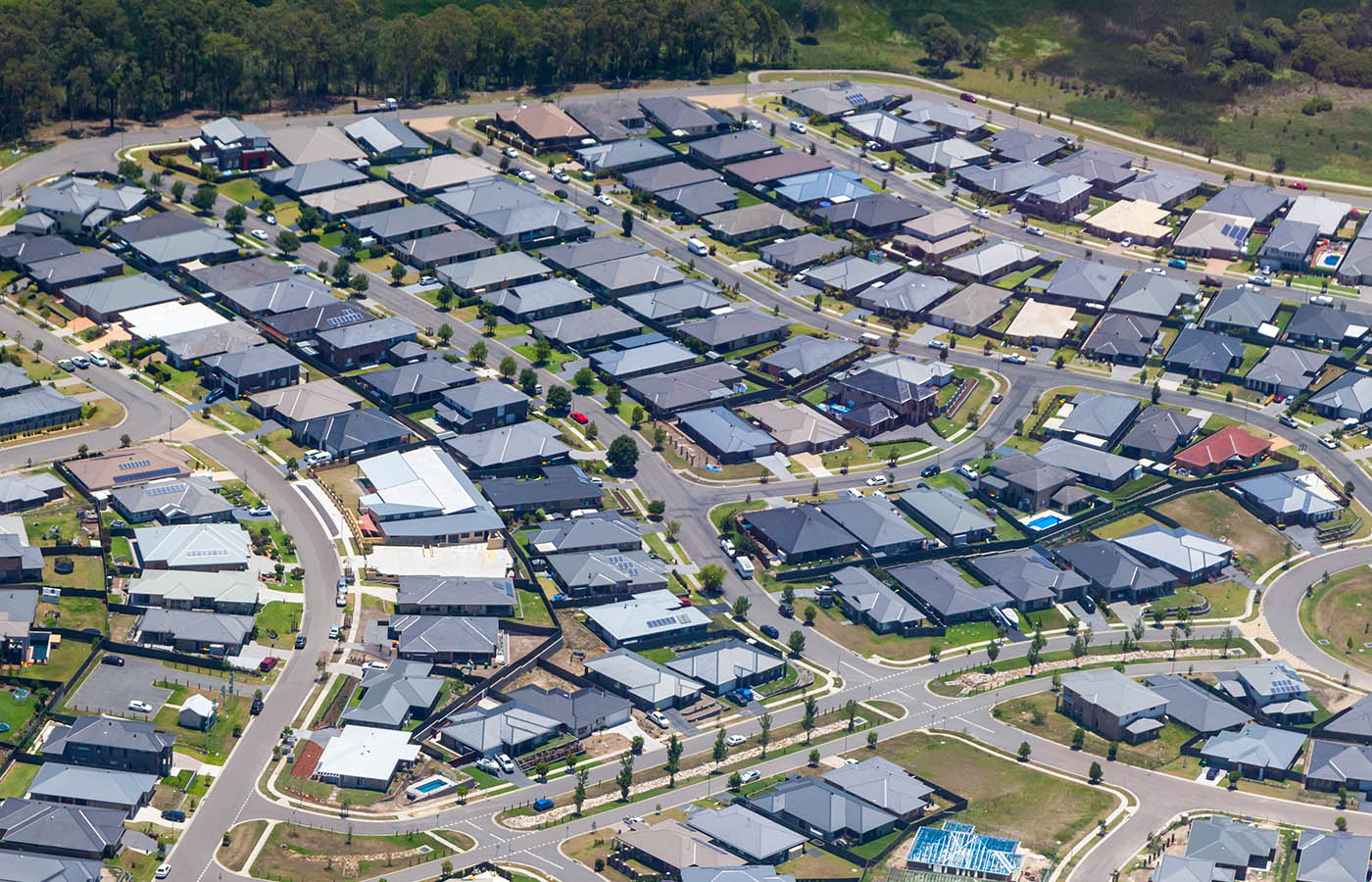
Drive west from Wallsend, past the Bunnings roundabout, and the suburbs change character. Fletcher is new. Maryland is the older neighbour. Minmi, the village at the western edge, was a coal-mining settlement long before Newcastle's sprawl reached it. Together they form one of the city's fastest-growing family areas, hemmed in by Blue Gum Hills Regional Park to the south and bushland to the west.
Estates like Sanctuary, The Outlook and Fletcher Green keep extending the street grid. Council has been widening Minmi Road for years to keep up with the traffic. Bishop Tyrrell Anglican College anchors the south end of Fletcher. The community here is still working out who it is.
Mortgage stress is real here. Many households stretched into a $900,000 purchase and now watch interest rates and council rates climb together. Minmi Road clogs in peak hour, and parents juggle long commutes with school drop-offs. The newest estates are still finding their social rhythm, and plenty of neighbours who moved in last year have not yet met the family three doors down. Loneliness in a brand new street is a quieter kind of ache, but it is real.
The anchors are the school gates, the junior sport at Kurraka Reserve, and the Fletcher Community Centre on Kurraka Drive, which hosts local groups and family functions. Fletcher Village is the small commercial heart, and the bakery and cafe there are where neighbours start to recognise each other. None of it is glamorous. All of it is essential to a community still learning its own shape.
The demographic markers here read like a planter's checklist. More than 16,000 residents, growing nearly four per cent a year, a median age of 34 and almost six in ten households raising children. A young adult share that matches the national average in raw numbers but plays out very differently in a family-saturated outer suburb. And a softening but not yet hostile spiritual posture, with half the population still nominally Christian.
The cultural moment is favourable too. People moving into Fletcher and Minmi are explicitly looking for community, neighbours, a quieter life, a place to raise kids. The new-estate ache for connection is real, and a church that genuinely meets it would be welcomed in ways that an inner-city plant never could be.
The honest challenge is patience. Communities still under construction take time to gel, mortgage-stressed families have less to give, and the nearest Sunday alternative is a drive through traffic. But for a planter who can settle in for the long build, this is one of the more promising young-family areas in greater Newcastle.
Just under half of residents still tick a Christian box on the Census, and the non-religious share sits a touch above the national average. The picture is less the inner-city tide of confident secularism and more a soft drift: cultural Christianity fading into nothing in particular, with young families who would not call themselves religious but might still send the kids to a Christian school for the values. Faith is not openly hostile here. It is mostly just absent from daily life.

Research did not surface a verified Pentecostal or contemporary evangelical church inside the Maryland, Fletcher and Minmi area itself. The closest contemporary churches sit in Wallsend, Jesmond and the broader Newcastle area, a 15 to 25 minute drive away through the very congestion residents are trying to escape on a Sunday morning. For a fast-growing family suburb of more than 16,000 people with a young median age and very high family-with-children share, that is a noticeable gap.
Anglican, Catholic and traditional denominations have a presence in the broader area, but a contemporary expression with strong children's and youth ministry, pitched at the young Anglo-Australian families filling these new estates, has space to grow here that does not require pulling people out of an existing local congregation.
Cost of Living and Housing. The median house price in Fletcher sits around $900,000, having climbed sharply over the past few years. Maryland is a touch more affordable, Minmi a little more rural again. Most homes are detached, on generous blocks by Sydney standards, and the newest streets still smell of fresh render. First home buyers and young families dominate.
Schools and Kids. Bishop Tyrrell Anglican College runs preschool to Year 12 inside Fletcher itself. Glendore Public School and Fletcher Public School handle the primary years, with around fifty schools sitting within a ten-kilometre radius across Maryland, Wallsend, Edgeworth and Shortland. Childcare centres are everywhere; getting a spot is the harder part.
Weekend Life. Saturday morning is junior sport at Kurraka Reserve, where the Maryland Fletcher Football Club fills the fields. Blue Gum Hills Regional Park is on the doorstep for walks and bike rides. Families drift between Stockland Glendale and Wallsend for groceries, and the bakery and cafe at Fletcher Village fill up before nine.
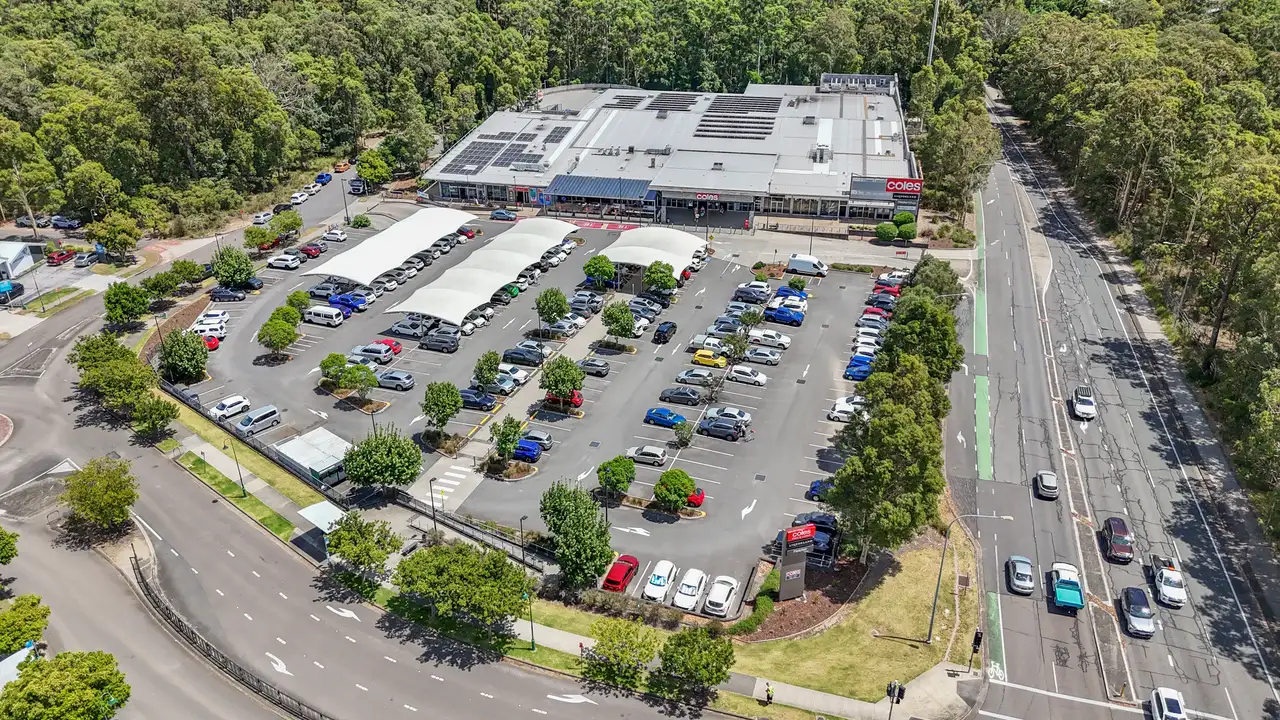
Town Centre and Vibe. There is no real town centre, which is part of the story. Fletcher Village is a small neighbourhood shopping strip with an Aldi, a few takeaways and a hair salon. Maryland has its own modest local shops. For anything bigger, residents drive to Wallsend or Glendale. The streets feel suburban and quiet, the kind of place where neighbours wave but do not always know each other yet.
Nightlife and Culture. Almost none of it happens here. Newcastle's restaurants, bars and live music scene are a twenty to thirty minute drive away in the inner east. Locally, life revolves around the home, the school gate and the sports field, with the occasional family outing into the city for something more.
Newcastle CBD. Around 20 to 25 minutes via Newcastle Link Road, with peak-hour traffic on Minmi Road adding time. The harbour, restaurants and Newcastle Beach are all reachable inside half an hour.
University of Newcastle (Callaghan). Roughly 15 minutes by car. Bus route 260 connects Minmi to the university via Fletcher, Maryland and Wallsend.
John Hunter Hospital. Around 15 minutes via Wallsend. The major teaching hospital for the region and a significant local employer.
Lake Macquarie. Edgeworth and the lake's western edge are 10 to 15 minutes south. Warners Bay and the lake foreshore are about 25 minutes.
Hunter Valley wine country. 30 to 40 minutes north-west via the Hunter Expressway. A common weekend destination.
Sydney CBD. Roughly two hours south via the M1 Pacific Motorway. The freeway is two minutes from Fletcher's western edge.
Saturday morning at Kurraka Oval, the carpark fills with utes, hatchbacks and dual cabs. Kids in football jerseys, parents balancing coffees, grandparents in camp chairs on the sideline. This is a tradie, healthcare and young-family area. Many of the people moving in have priced out of inner Newcastle and traded a smaller older home for a bigger newer one further west. Others are locals who grew up in Wallsend or Maryland and never wanted to leave the area.
The First Nations population sits at seven per cent, well above the national figure, with deep Awabakal and Worimi connection to this part of the lower Hunter. The area is otherwise predominantly Anglo-Australian, with a quieter mix of European heritage families and a smaller share of recent migrant arrivals than you would find in Sydney's growth areas. The median age of 34 tells the story: this is a young community in a hurry, raising small kids and paying off mortgages.
Unpretentious, family-comfortable, at home in Hunter culture. Can talk Knights, kids' football and the cost of a tradie. Patient with the slow work of building community in streets where people are still introducing themselves. Turns up at the school fete and the sausage sizzle.
Comes with a partner and ideally young kids of their own, because the school gate and the sideline are where the relationships actually form. Resilient about the long ramp of a new-suburb plant. Not a stage performer chasing a crowd, but a pastor willing to put roots down for ten years.