
Narangba is family country on Brisbane's northern edge. Once paddocks and small-acre blocks, it is now a young suburb of new estates, big primary schools and tradies' utes, growing fast between the Bruce Highway and the rail line.
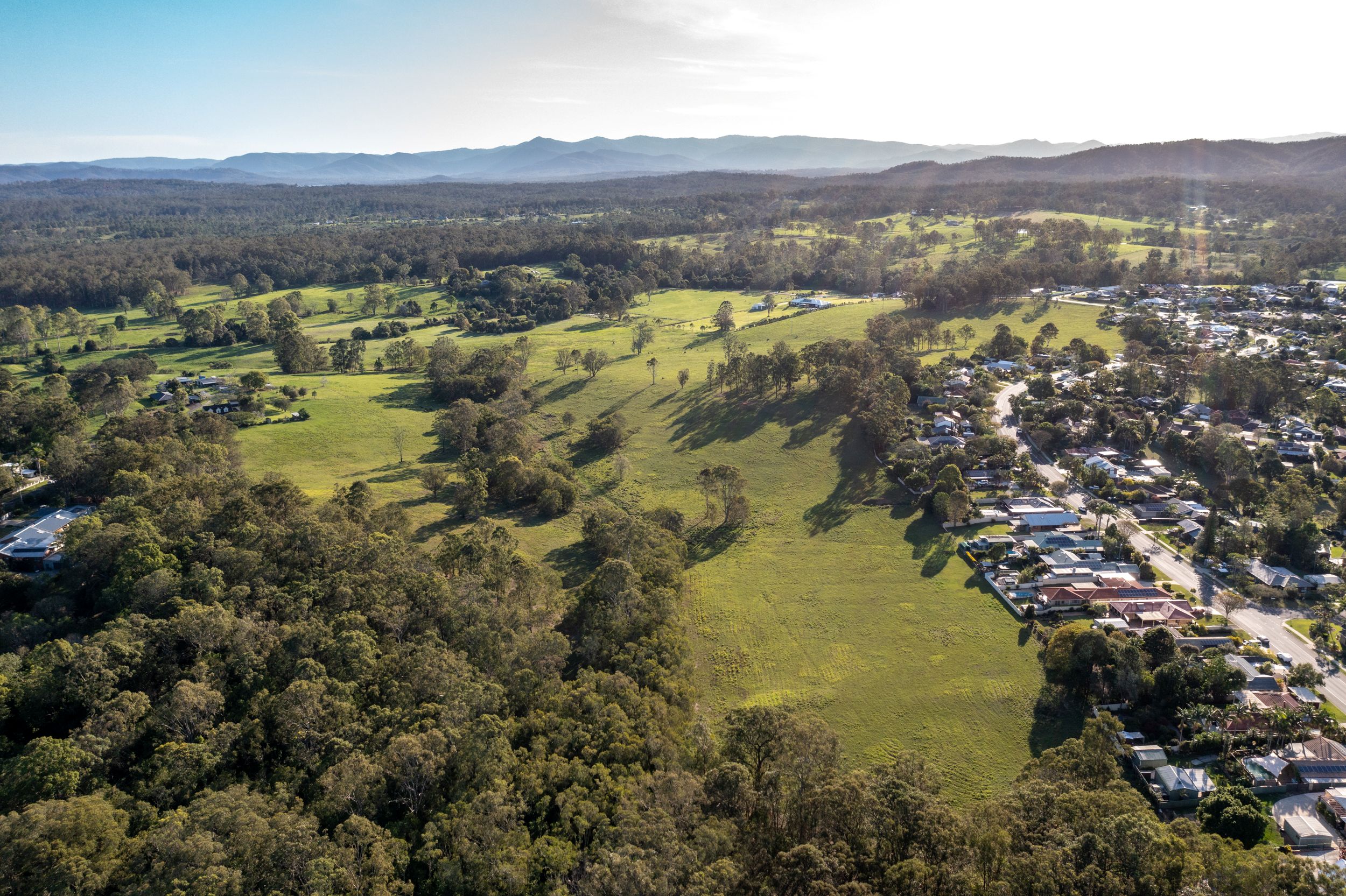
Drive 35 kilometres north of Brisbane, past North Lakes and through the bushland fringe, and you reach Narangba. The name is said to come from a local Aboriginal word for small ridge, and the gentle ridges still shape the place. What was rural land a generation ago is now one of the fastest-filling pockets of the Moreton Bay region.
The train line runs through the heart of the suburb, the Bruce Highway sits two minutes east, and Ridgeview and other new estates keep pushing out. Narangba Plaza is being rebuilt. New schools are opening. Most front yards have a swing set, and most carports have a trailer. The community here is young, working, and still figuring out who it is becoming.
The aches in Narangba are the aches of a young suburb growing fast. Mortgage stress in households that stretched to get in. Long commutes that thin out evenings and weekends. Newer estates where neighbours still don't quite know each other after a year. Loss of bushland and the koalas that lived in it, a recurring grief among longer-term residents. And the quieter struggle of young families doing life without nearby grandparents, often a flight away.
The anchors are sport, school and street. Junior football, soccer and baseball clubs draw the suburb together every Saturday. The state schools are real community hubs, especially the high school. The train station, the shopping centre and the dog park are where people actually bump into each other. Nothing fancy. All of it real.
Narangba carries almost every marker of a strong planting opportunity. A population over twenty thousand. Annual growth at nearly double the national rate. A median age of thirty-three. More than five and a half thousand young adults. Families with children making up over six in ten households, well above the national average. The suburb is young, growing, and full of the people C3 churches have historically reached well.
The cultural moment matches. New estates filling with families who don't yet have deep roots. Long commutes that leave people hungry for community closer to home. School communities that are wide open to anyone who turns up consistently. A First Nations population well above the national average that calls for thoughtful, humble engagement. And almost half the suburb identifying as non-religious, which means the field here is not nominally Christian and waiting to be re-engaged. It is largely unreached.
The challenge is real. Narangba is a commuter suburb where weekends are the only family time many parents get. Sport competes hard for Sunday mornings. Disposable income is squeezed by mortgages. But the opportunity to plant a church that becomes home for hundreds of young families in this corner of Brisbane is genuinely there, waiting for the right person to step into it.
Narangba sits on the secular side of the national line. Almost half of residents tick no religion on the census, well above the national average, while Christian affiliation runs slightly under. The trajectory is the familiar one for a young Australian growth suburb: church belonging is no longer assumed, faith is treated as a private matter, and most families would describe themselves as good people who don't think much about God. Yet under that surface sit the universal ache points of young suburban life — anxiety, disconnection, marriage strain, kids growing up fast — that quietly open the door to spiritual conversation when someone is willing to walk through it.

The existing Christian presence in Narangba is small and mostly meeting in school halls and commercial units. Accelerate Church is the suburb's main Pentecostal congregation, gathering on Business Drive. Narangba Baptist meets in the Jinibara State School hall. Lifebuilders Wesleyan Methodist also meets in a school. New Creation Christian Church serves the broader Burpengary area. There is real and faithful work being done here.
The gap is the scale gap. A suburb of more than twenty thousand people, with another four-and-a-half thousand young adults, growing at nearly twice the national rate, has very limited contemporary, family-shaped, large-scale Sunday gathering. For young families who would walk into a modern church with great kids ministry, strong worship and clear teaching, the closest options are 15 to 30 minutes away in Brisbane's northern suburbs.
Cost of Living and Housing. The median house in Narangba sits around the $900,000 mark, with strong recent growth pushing first-home buyers further out each year. Most homes are detached, on standard new-estate blocks, with newer pockets like Ridgeview still selling land. Rentals run around $650 a week. Owner-occupiers make up roughly three quarters of households, and mortgage stress is real for the families who stretched to get in.
Schools and Kids. This is school-run country. Narangba Valley State High has more than two thousand students. Three state primaries serve the suburb: Narangba, Jinibara and Narangba Valley. A new Catholic school is opening to add to the mix. Childcare centres dot the main roads, and the predominant age group across the suburb is ten to nineteen.
Weekend Life. Saturdays revolve around junior sport. Forty-plus parks across the suburb, two baseball and softball pitches at Harris Avenue, three soccer fields for the Narangba Eagles, two rugby grounds at Duncombe Park. Kids ride bikes between estates. Parents gather at the sidelines with takeaway coffees and team chairs. Sunday afternoons bring a slower pace and hardware store runs.
Town Centre and Vibe. The heart of the suburb is the Narangba Valley Shopping Centre and the older village around the train station. Narangba Plaza is in the middle of a major redevelopment that will reshape the centre. The vibe is suburban, practical, family-first. Not flashy. Not pretending to be anything other than a place to raise kids close enough to the city to commute.
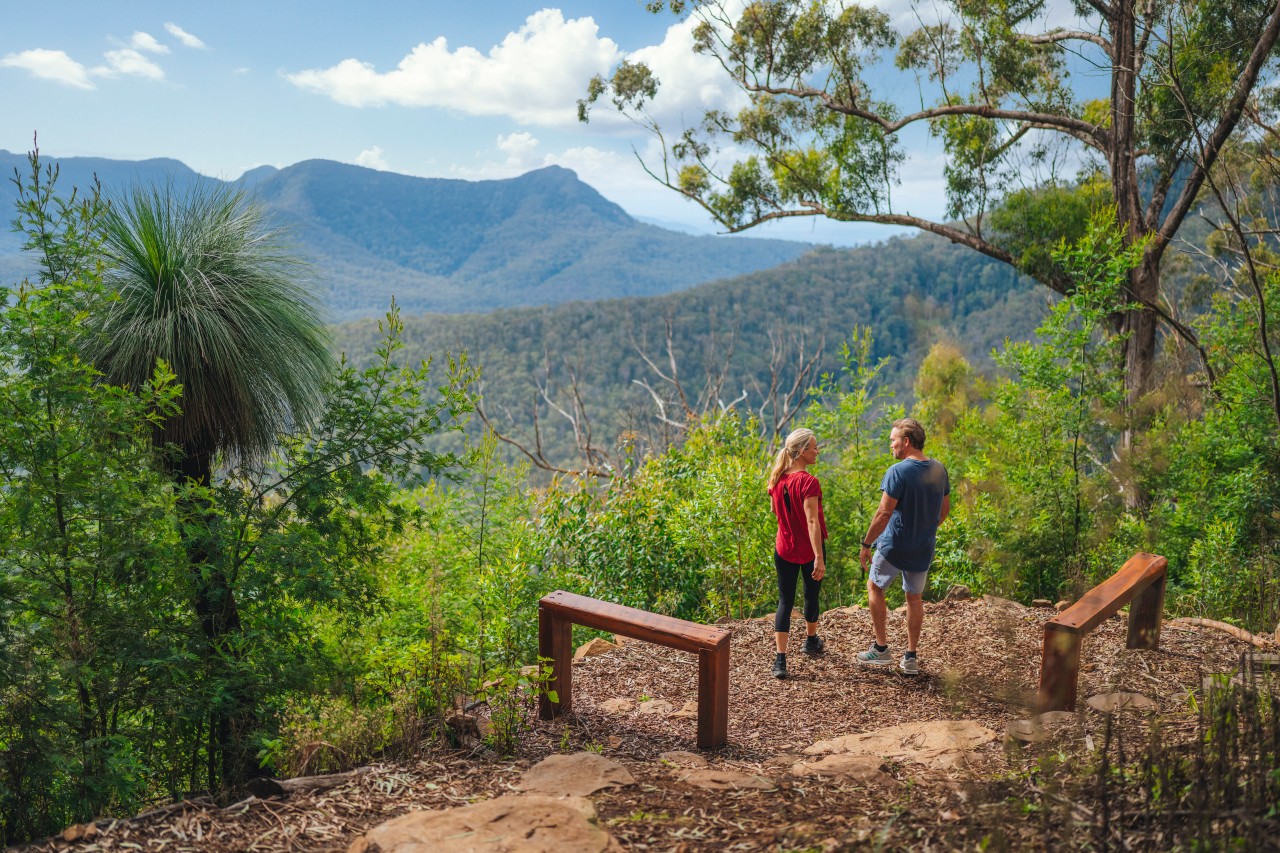
Nightlife and Culture. Nightlife is not the draw here. For dinner out, restaurants and bars, most locals head to North Lakes Westfield or down to Brisbane. What Narangba offers instead is the quiet rhythm of family life, weekend markets in the broader region, and the bush trails just to the west.
Brisbane CBD. Around 40 to 50 minutes by car along the Bruce Highway, or roughly 45 minutes by train direct from Narangba station, which makes commuting workable for the many residents who travel south for work.
North Lakes. Ten minutes south. The major shopping, dining and big-box retail hub for the area, anchored by Westfield North Lakes and Costco, and the closest evening-out destination.
Caboolture. Fifteen minutes north up the Bruce Highway. Caboolture Hospital is the public hospital serving the area, and Morayfield Shopping Centre is a regular destination.
Sunshine Coast. Around 45 minutes north. Close enough that the beaches at Caloundra and Mooloolaba are a regular family day out, and that some residents commute the other direction for work.
Brisbane Airport. Around 30 to 35 minutes south via the highway, an easy run for travel and one of the genuine perks of the location.
Redcliffe Peninsula. Twenty minutes east. Bayside walking, fish and chips, and the closest stretch of saltwater for an after-work swim in summer.
Saturday morning at the Harris Avenue sports fields, the carpark is full of utes and family wagons. Tradies in hi-vis grabbing coffees before their kid's footy game. Mums in activewear running between siblings on different fields. This is a young, working community: tradespeople, healthcare workers, administrative staff, professionals who priced out of inner Brisbane and found a new home in the Moreton Bay growth area. Most households have kids. Most have a mortgage. Most are under forty.
Narangba is predominantly Anglo-Australian, with a noticeable English, New Zealand and South African presence — the South African community is large enough that one local church runs Afrikaans-language services. First Nations residents make up just over nine per cent of the suburb, well above the national average and a meaningful part of the community's story. English is the dominant language at home. Most adults work full-time, many in trades, many commuting south to Brisbane or to the industrial hubs at North Lakes and Brendale.
Family-stage. Comfortable on a sideline, in a school carpark, at a tradie's BBQ. Drives a practical car, not a status one. Knows that the way into this community is through kids, sport and consistent presence over years, not big launches.
Strong on family ministry and kids ministry from day one. Patient with a community that is growing into itself. Not threatened by the existing churches in the area but glad they are here. Willing to do real life in Narangba, not commute in for Sundays.