
Three kilometres north-east of Brisbane's CBD, Newstead and Bowen Hills are the city's apartment heartland. Former gas works and wool stores are now glass towers full of young professionals, and almost half the population is under 35.
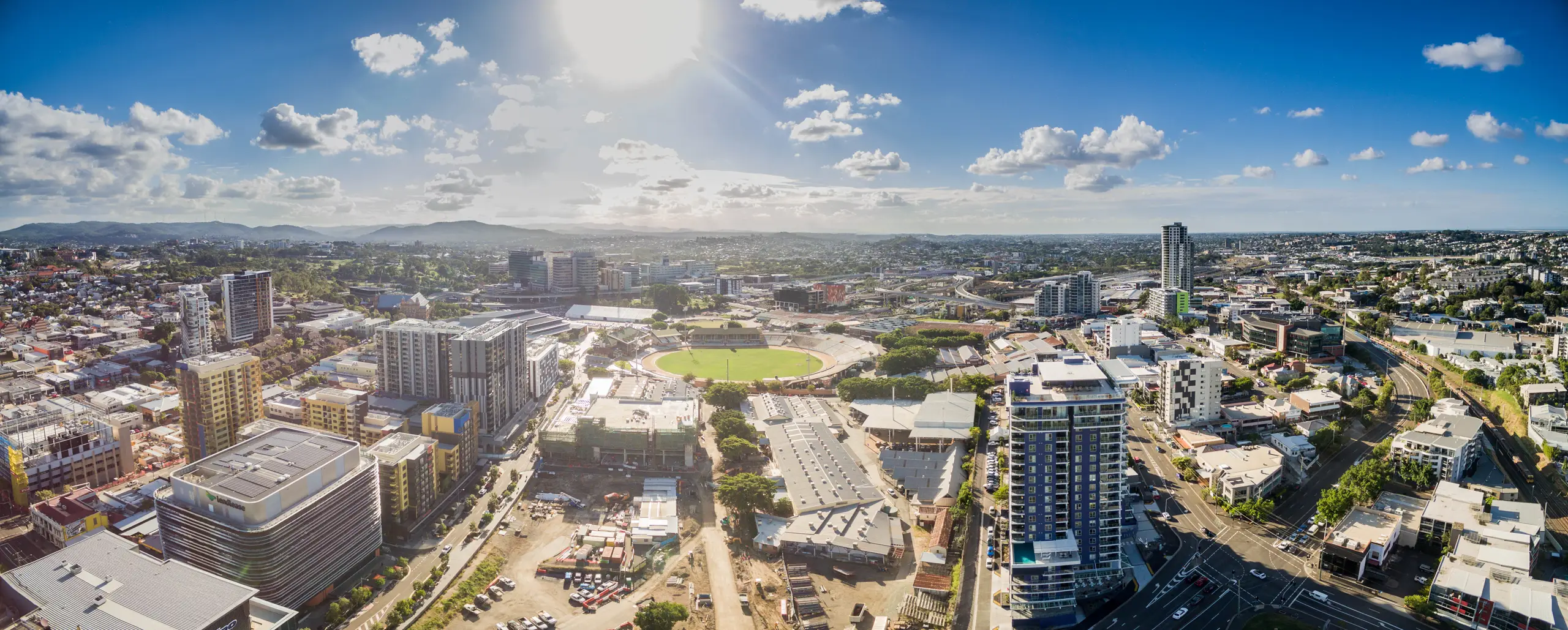
Newstead and Bowen Hills sit on the inside of the Brisbane River bend, three kilometres from the CBD. Twenty years ago this was wool stores, gas works and warehouses. Now it is one of Australia's densest apartment areas, with the Gasworks precinct, James Street, and the Howard Smith Wharves all within walking distance.
The change is still in motion. Cranes work around the clock on Festival Place, the Abbotsford and a dozen other towers. The RNA Showgrounds host the Ekka every August. The CityCat slides past Newstead Wharf. And tens of thousands of young Brisbane residents are quietly making their first home here.
Loneliness is the quiet ache of high-rise life. People here can go a full week without a meaningful face-to-face conversation outside of work. Career pressure, dating app fatigue, the cost of rent, the sense that everyone is in transit somewhere else. Mental health support is in steady demand. The pandemic years cut deep into the social fabric of inner-city renters, and many have not fully reconnected.
The anchors that do exist tend to be commercial: gym communities at F45 and Anytime Fitness, run clubs along the Riverwalk, regulars at the Gasworks bars and the James Street cafes. The RNA Showgrounds and the Ekka draw the wider city in once a year. There is plenty of foot traffic, but real community has to be built deliberately. It rarely happens by accident in a building of three hundred apartments.
The demographic numbers are striking. Almost half of all residents are aged 15 to 34. Annual population growth is more than eight times the national rate, with thousands more apartments under construction. The median age is five years younger than the national figure, and families with children make up barely one in ten households. This is a young adult mission field, dense, walkable and still forming.
The cultural moment is favourable too. Brisbane is in a confidence cycle ahead of the 2032 Olympics. Inner-city young adults are reconsidering loneliness, meaning and mental health in ways that the church can speak into honestly. The secular tilt is real, but so is the openness that comes with curiosity and dislocation.
The challenge is honest. Apartment-dweller transience makes long-term community hard. Renting space is expensive. The pace and noise of inner-city life will test any planter's resilience. But for a team called to reach the next generation of urban Australians, few places in the country offer a clearer call than this stretch of river between the gas works and the showgrounds.
This is one of the most secular pockets in Queensland. More than half of residents tick no religion on the Census, well above the national average, and Christian affiliation sits well below the national figure. The under-35 majority arrived in adulthood with little church background and few prompts to consider one. Faith is not hostile here so much as absent from the conversation. The posture is curious, open and time-poor: spirituality is fine in principle, but Sunday morning is for the gym, brunch and recovery from Saturday night.

Hope Centre sits inside the boundary on Thompson Street, and Hillsong's CBD campus is a short drive across the river. Both draw young adults from across inner Brisbane and do that work well. Beyond those two, the Pentecostal and contemporary evangelical presence in Newstead and Bowen Hills itself is thin. Catholic and Anglican parishes serve a different demographic and a different hour of the day.
The gap is for the young adult who lives in one of the towers, walks everywhere, has never been to church, and would only ever try one if it felt local, contemporary and unembarrassed about Jesus. The opportunity is to plant something that meets people in the rhythm they already keep, on streets they already walk.

Cost of Living and Housing. This is one of Brisbane's most expensive postcodes. Apartment living dominates: one-bedroom rentals, two-bedroom owner-occupier units, the occasional converted wool store. Detached houses are rare and tightly held. Most residents are renters or first-home apartment buyers stretched into the market.
Schools and Kids. Families are not the dominant story here. Children make up a small share of the population, and most school-age kids are zoned to New Farm State School or Fortitude Valley State Secondary College. Brisbane Grammar, St Joseph's Gregory Terrace and All Hallows' are all within a short drive.
Weekend Life. Saturday morning starts on the Brisbane Riverwalk or with a coffee at Gasworks Plaza. Bunnings on Skyring Terrace pulls a steady crowd. Howard Smith Wharves and the New Farm parkland are minutes away on foot or by ferry, and the CityCat from Newstead Wharf hops you down to South Bank.
Town Centre and Vibe. Newstead does not have a traditional town centre. James Street is the closest thing: boutiques, restaurants, the Calile Hotel. Gasworks holds the supermarket, the bakeries, the gym, and the after-work crowd. Bowen Hills hangs off King Street, the Showgrounds, and the rail line.
Nightlife and Culture. Fortitude Valley sits next door, which means live music, late bars and Brisbane's busiest entertainment strip are a fifteen-minute walk. The Tivoli, the Triffid and the Fortitude Music Hall are all close. Quiet nights are easy to find too, with riverfront walking tracks running for kilometres.
Brisbane CBD. Three kilometres south-west. Five to ten minutes by car off-peak, four minutes from Bowen Hills station to Central by train.
Royal Brisbane and Women's Hospital. Walking distance from Bowen Hills, around fifteen minutes on foot or three minutes by car. One of the area's largest employers.
Brisbane Airport. Around fifteen to twenty minutes by car via the Airport Link tunnel or Kingsford Smith Drive.
James Street and Fortitude Valley. A five-minute walk south. Brisbane's premier dining and nightlife strip.
QUT Kelvin Grove and Gardens Point. Both campuses within ten minutes by car or public transport, putting the university student population within easy reach.
Gold Coast and Sunshine Coast. Each around an hour's drive via the M1 or Bruce Highway for weekend escapes.
Friday evening at Gasworks Plaza, the after-work crowd spills onto the lawn. Hospital scrubs, lanyards from CBD offices, gym kit, dogs on leads, dates that started at the wine bar and might end at Howard Smith Wharves. The vast majority of people here are between 20 and 35, single or partnered without children, renting an apartment they could not have afforded five years ago.
The economic base is white-collar professional, healthcare around RBWH, hospitality, creative industries clustered in the Valley, and a steady flow of FIFO workers and corporate contractors using the apartments as a Brisbane base. International students from QUT and the language schools add to the mix. It is one of the most transient populations in Brisbane, with leases turning over fast and neighbours rarely meeting in the lift.
Confident in the city. Comfortable with apartment-dwellers, hospitality workers, hospital staff, creatives. Drinks coffee well, holds a real conversation, can preach to a 28-year-old who is genuinely curious and genuinely sceptical. Likely under 40, likely without small children, or with the resilience to plant in an environment where their own family will be the minority.
Probably not the planter for whom suburban family ministry is the comfort zone. The work here is slower and quieter at first. It depends on relationships built one coffee at a time, and on a community that meets in a venue most weeks for years before it ever owns a building.