
Pallara-Willawong is one of Brisbane's fastest growing pockets, where bushland is becoming master-planned estates almost overnight. Young families are pouring in. The community is still figuring out who it is.
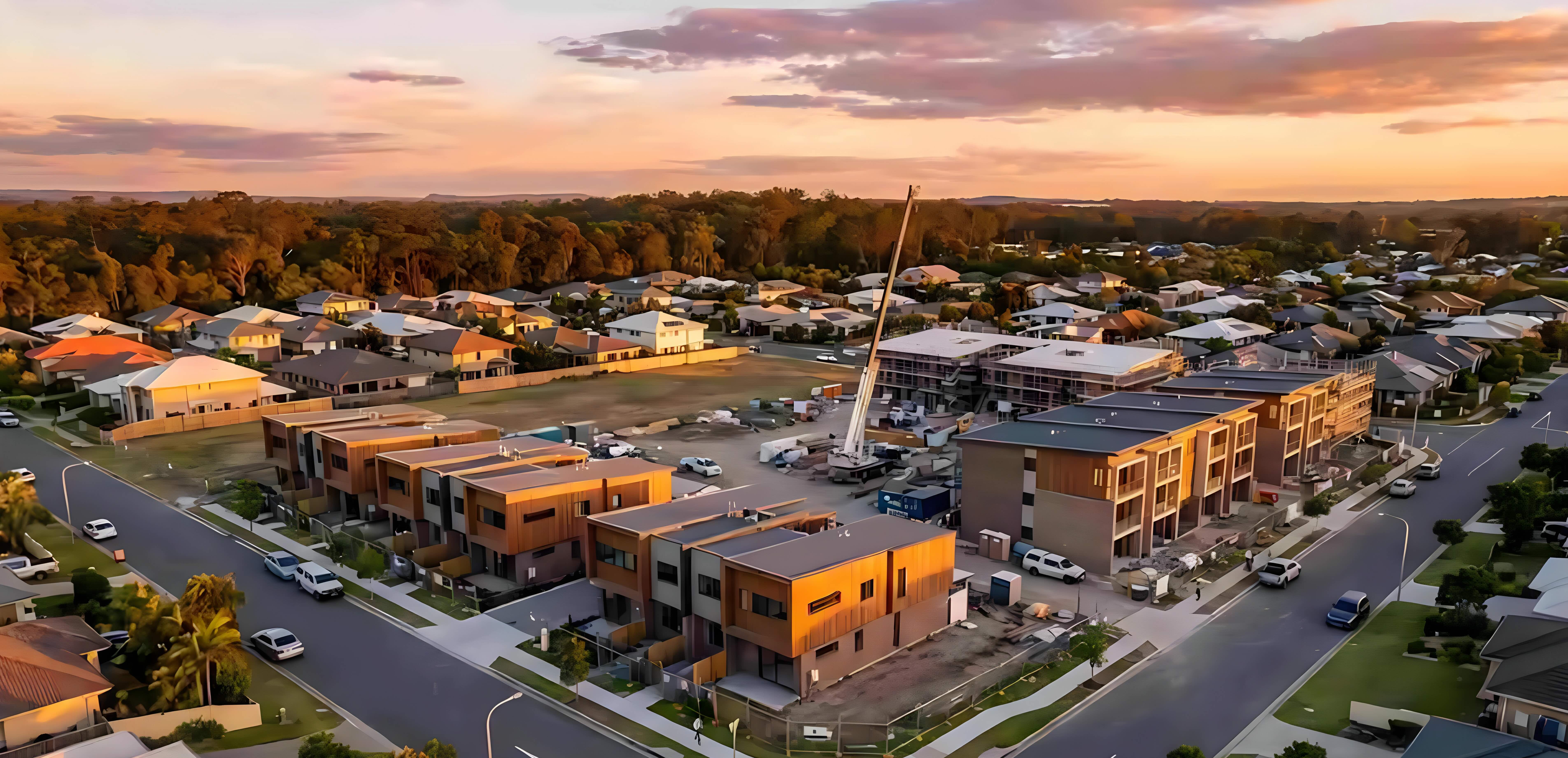
Drive south-west out of Brisbane along the Logan Motorway and you hit an area that barely existed a decade ago. Pallara was paddocks and small acreage; Willawong was light industry and bushland. Now Stockland, Ausbuild and a string of other developers are turning what was left of the green into new streets of brick-and-render family homes, with house-and-land packages pushing past a million dollars.
This is one of the last large undeveloped pockets within twenty kilometres of the Brisbane CBD. Karawatha Forest still hugs the eastern edge. The schools are filling faster than they can be built. And a brand-new community is forming on top of land that was bushland a few summers ago.
Mortgage stress is the quiet weight in many of these households. Buyers stretched to a seven-figure purchase, then watched rates climb. The streets are new and neighbours are still strangers. Junior sport, school assemblies and the slow rhythm of estate life are doing the work of building community, but it takes years. Loneliness in young mothers, isolation in shift-working dads, and the disorientation of recent migrants are all part of the texture here.
The anchors are local. Pallara State School. The parks, parkrun, and the off-leash dog park. Forest Lake Shopping Centre on a Saturday morning. Calamvale and Sunnybank junior football and cricket clubs. The cultural community organisations of Brisbane's south. Nothing flashy. All of it forming the bones of a community still learning how to be one.
The demographics here are extraordinary. A population growing at more than ten times the national rate. A median age seven years younger than the country. Two in three households raising children. A young adult share well above average. And a culturally diverse, faith-respecting base where a third of residents still identify as Christian.
The missional gap is equally clear. Almost no contemporary church is on the ground inside the new estates. The closest sizeable charismatic expressions are a 15 to 20 minute drive in either direction. Thousands of new homes are being built into a vacuum.
The challenge is honest: a brand-new community has shallow social roots, mortgage stress is real, and trust takes time to build in a multicultural population that has heard plenty of pitches. But for the right person, with patience and cultural humility, this is a chance to plant deep into a suburb at the very moment it is being born.
Pallara-Willawong sits noticeably above the national average for Christian affiliation, at 34.5%, and well below average for those identifying as non-religious, at 27.3%. This is partly a function of the strong migrant base, where Christian, Hindu, Buddhist and Muslim faith identity remain culturally meaningful even where regular practice has dropped. The trajectory is still secularising, but slower than inner Brisbane. Faith is more likely to be respected here than dismissed, and people are more open to a conversation about Jesus than the headline national numbers might suggest.

For an area of more than 10,000 people growing at 16.8% per year, contemporary church options inside the suburb are thin. The closest sizeable Pentecostal expressions are Hillsong Brisbane in Mt Gravatt and Power Church in Sunnybank, both 15 to 20 minutes drive. Pallara itself hosts a small Reformed congregation in the old primary school building, and the broader area is served by traditional Catholic, Anglican and Baptist parishes that draw an older, more established demographic.
The gap is for a contemporary, family-shaped, multicultural church on the ground inside the new estates. A church the young families pouring into Pallara-Willawong could walk or drive to in five minutes, that speaks the language of a 31-year-old parent juggling a mortgage, three kids, and a culture they did not grow up in.
Cost of Living and Housing. House-and-land packages now start around $840,000 and the median house price has pushed past a million dollars. Most homes are new builds on compact blocks. Renters pay around $700 per week. Mortgage stress is real for the families who stretched to buy at the top of the cycle.
Schools and Kids. Pallara State School on Ritchie Road has gone from 500 students in 2018 to over 860, and is still growing. There is no local high school yet. Calamvale Community College, Forest Lake State High and Glenala State High serve the secondary catchment. Childcare centres have multiplied alongside the new estates.
Weekend Life. Saturdays look like Bunnings runs, junior sport at Calamvale or Forest Lake fields, and family walks along the 5.5 kilometre footpath loop through Pallara Parklands. Karawatha Forest, on the eastern boundary, gives an unusual amount of bushland for a suburb this close to the city.
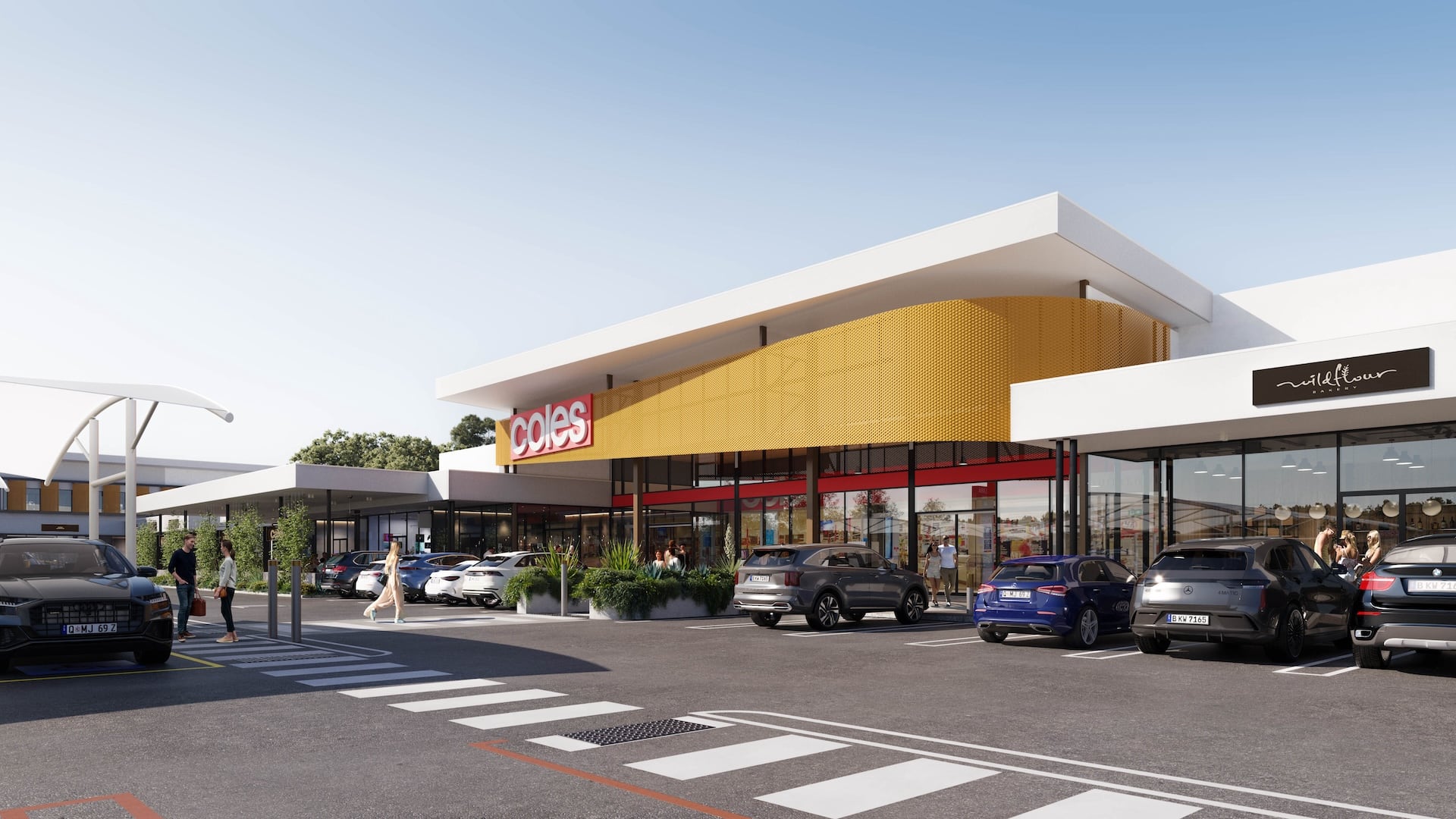
Town Centre and Vibe. There is no real town centre in Pallara itself yet. Forest Lake Shopping Centre, ten minutes west, is where most weekly shopping happens. Sunnybank, fifteen minutes east, is the cultural heart of Brisbane's south for food and groceries. The vibe inside the estates is quiet, new, and still settling.
Nightlife and Culture. Quiet on this front. Most evenings happen at home or in nearby Forest Lake and Sunnybank. For a night out, residents drive into the inner south or the city. This is family suburbia, not late-night suburbia, and the people moving here have chosen it for that reason.
Brisbane CBD. Around 25 to 35 minutes by car via the Logan Motorway and the M3, depending on peak hour traffic.
Forest Lake. 10 minutes. The closest established town centre, with the main supermarket, medical, and dining options.
Sunnybank. 15 minutes. The cultural anchor of Brisbane's south for Asian groceries, restaurants, and large multicultural communities.
Brisbane Airport. 35 to 40 minutes via the Gateway Motorway.
Logan and Springfield. 15 to 20 minutes. Major hospitals, the University of Southern Queensland Springfield campus, and large retail are all within easy reach.
Gold Coast. Around an hour south on the M1. Close enough for a weekend, far enough that it is not part of daily life.
Saturday afternoon at Pallara Parklands, the off-leash dog park fills with young couples and prams. The accents are Australian, Indian, Filipino, Chinese, Vietnamese, Pacific. Brisbane's south-west has long been one of the most culturally diverse parts of the city, and the new estates here are pulling in families from Inala, Forest Lake, Calamvale and the broader inner-south who have outgrown their first home and want a backyard for the kids.
The age profile skews young. The median age sits at 31, well below the national figure of 38, and two in three households are families with children. Many residents are first or second-generation Australians, often professionals in healthcare, IT, trades, logistics or small business. The First Nations population, at 6.2%, sits noticeably above the Brisbane average and reflects long-standing Aboriginal connection to the broader Inala-Acacia Ridge area. This is a place where almost everyone has moved in recently, and where conversations at the school gate cross half a dozen cultures in five minutes.
Cross-culturally fluent. Comfortable in a room where five languages are spoken and most people were not born in Australia. At ease with young families, school gates, junior sport sidelines, and the long slow work of community formation in a brand-new suburb.
Patient. The community is forming, not formed. A planter chasing fast crowd numbers will be frustrated. A planter who can love a few families well, set deep roots, and disciple slowly while the estates fill out around them will see fruit grow naturally with the suburb.