
Paddocks turning into streets at the western edge of Melbourne. Rockbank and Mount Cottrell sit at the front line of the Melton growth area, where young families are arriving faster than the shops, schools and footpaths can keep up.

Drive west out of Melbourne along the Western Freeway, past Caroline Springs, and the city thins out into a patchwork of new estates rising out of old grazing country. Rockbank sits on the train line. Mount Cottrell, a low volcanic hill rising to just over 200 metres, anchors the southern half of the area in conservation land and Wathaurong country.
This is one of the fastest-growing pieces of land in Australia. The Rockbank Precinct Structure Plan alone allows for more than 8,000 homes, and the wider area is forecast to grow from around 17,800 people in 2021 to close to 126,000 by 2046. The community here is being built from scratch, in real time.
The hardest thing about life in Rockbank is that almost no one has been here long. Neighbours moved in last year. Friends still live back in the inner west or overseas. Young mums spend long weekdays alone in a new house while a partner commutes 90 minutes each way. Mortgage stress is real, isolation is real, and the postnatal years are being walked through largely without grandparents nearby. Mental health pressure on young dads is quietly significant.
The anchors that exist are mostly new and mostly fragile. Junior sport at the local reserves. Mums and bubs groups at the maternal child health centres. Estate Facebook pages that swing between practical help and neighbourhood squabble. Cultural and religious communities, especially among the Indian and Filipino families, do a lot of the heavy lifting on belonging. The school gate, when it finally exists, will become the centre of gravity.
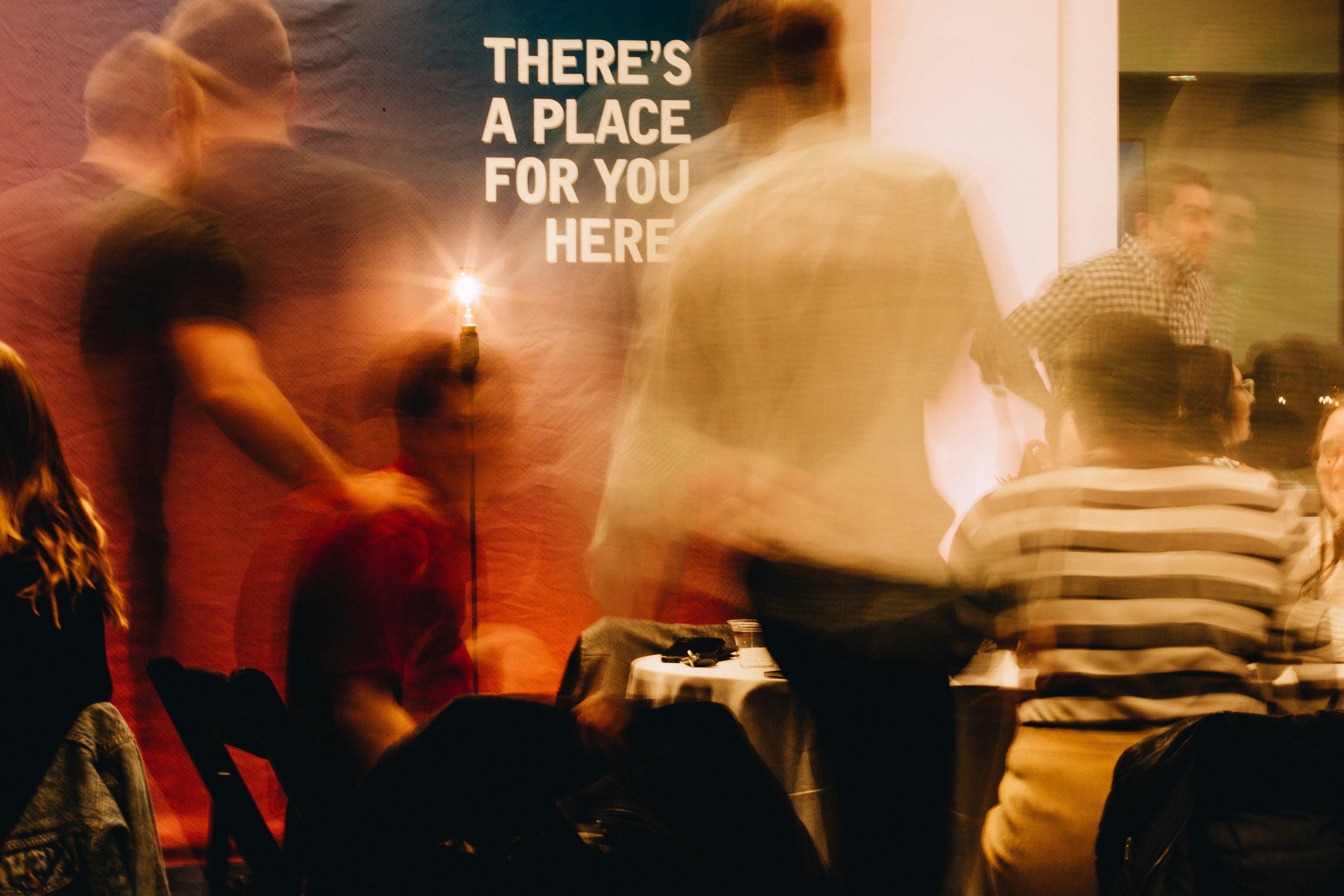
Rockbank and Mount Cottrell carry every demographic marker church planters look for and almost none of the religious infrastructure. Population is forecast to grow more than seven-fold over the next two decades. The community is overwhelmingly young, family-focused and open to faith.
The cultural moment is rare. A whole new community is being formed in real time, and the patterns of belonging being set now, in 2026 and 2027, will shape how families gather, worship and find belonging for the next generation. Most of the residents arriving have not yet committed to a local church, because there are very few local churches to commit to.
The challenge is honest. Volunteers will be exhausted. Most attendees will be young and stretched. There is no shortcut to community in a place where almost no one has lived for more than five years. But for a planter willing to walk slowly with young families through the unglamorous early years of a new suburb, the opportunity to shape a community at its very beginning is real.
Rockbank does not look like the secular national picture. Only 13.6 per cent of residents identify as non-religious, dramatically lower than the 38.9 per cent national figure, while 32.2 per cent identify as Christian. The gap is filled by other faiths, especially Hindu, Sikh and Muslim communities who have moved out from inner-western Melbourne. Faith is normal here in a way it is not in inner-city Australia. People expect their neighbours to believe something. The question is not whether spirituality matters, but whose spirituality is being practised on the next street.

The existing Pentecostal and charismatic presence sits mostly outside the suburb itself. Caroline Springs has INChurch Melbourne and the United Pentecostal Church of Caroline Springs. Melton has Melton Assembly of God, Evolve Christian Church and CityWest Church. Within Rockbank itself there is Living Springs Baptist, but no Pentecostal or charismatic congregation has yet planted inside the new estates of Woodlea, Thornhill Park, Bridgefield or Aintree. As the area grows toward 126,000 people, the gap between where people now live and where contemporary churches currently meet will only widen.

Cost of Living and Housing. Rockbank is one of the more affordable corners of greater Melbourne for a freestanding home on its own block. New estates like Woodlea, Thornhill Park, Bridgefield and Aintree have drawn first home buyers and young families priced out of the inner west. Mortgages here are tight, and rate rises bite hard in streets where most households are stretched into a new build.
Schools and Kids. Rockbank Primary is the designated neighbourhood government school, serving Rockbank, Woodlea, Thornhill Park and Bridgefield. The state government has set aside land for three more government primary schools, a non-government primary and a secondary college as part of the Rockbank plan. For now, many families drive their kids to schools in Caroline Springs or Melton.
Weekend Life. Saturdays revolve around the kids. Junior footy and soccer at the new sports reserves, swimming lessons in Caroline Springs, BBQs in the backyard of a brick-and-render home that was paddock five years ago. The Mount Cottrell Nature Conservation Reserve, with its 200-metre volcanic hill, is becoming a local walking and cycling spot.
Town Centre and Vibe. The town centre is still being built around Rockbank Station. Right now, daily life pulls residents toward Woodlea Town Centre, the Caroline Springs shopping strip and the Melton retail district. The vibe is unfinished. Builders' utes still outnumber cafes. Streets are wide, footpaths are new, and half the trees are still saplings staked against the wind.
Nightlife and Culture. There is no nightlife to speak of within the suburb. Friday and Saturday evenings mean a drive to Caroline Springs, Werribee or back into the city. The cultural life is genuinely homemade, built around backyard gatherings, school events, junior sport, and the cultural festivals of the migrant communities settling here.
Melbourne CBD. Around 30 kilometres east. The train from Rockbank Station runs the Ballarat line into Southern Cross, and the Western Freeway carries commuters in by car when the traffic allows.
Caroline Springs. 10 minutes east. The closest established town centre with a full-line supermarket, banks, medical, gyms and the nearest major shopping strip.
Melton. 10 to 15 minutes west. The other anchor town for the area, with hospital services, secondary schools, council offices and a long-established town centre.
Werribee and Wyndham. 25 to 30 minutes south. The nearest major hospital, more shopping, and the route to the bay.
Sunshine. 20 minutes east. A future jobs hub linked by the duplicated Ballarat rail line, and the nearest large multicultural retail strip.
Ballarat. Around an hour west on the freeway, the regional capital and a regular weekend destination for families with country roots.
Saturday morning at a Woodlea park, the slides are full of kids and the carpark is full of new SUVs. The parents on the bench are mostly under 35, mortgages fresh, prams parked in a row. This is one of the youngest communities in the country: a median age of 31, more than a third of the population aged 15 to 34, and 64 per cent of families raising children. Young adults outnumber every other age group by a long way.
The cultural mix reflects Melbourne's west. Indian, Filipino, Sri Lankan, Pakistani and Sudanese families have moved out from Sunshine, Tarneit and Truganina to find a backyard and a four-bedroom home. There is a sizeable First Nations population at nearly five per cent, well above the metropolitan average. Tradies, healthcare workers, logistics workers, and a growing layer of professionals working from spare-bedroom desks make up most of the workforce. People here are time-poor, mortgage-stretched and hopeful.
Young, energetic, family-stage. Comfortable with mess and unfinished streets. Culturally fluent across Indian, Filipino, Sri Lankan and Anglo Australian backgrounds, or willing to learn fast. A planter whose own kids will play junior footy alongside the locals.
Patient with slow soil. Willing to start with a handful of families in a school hall or rented community room. Pastoral instincts for isolation, mortgage stress, and the quiet ache of a young mum who has not seen her own mother in two years. Strategic about long horizons rather than instant scale.