
A young, family-heavy slice of Sydney's north-west, where Hindu temples sit beside new estates, the Metro is minutes away, and almost three quarters of households are raising kids.
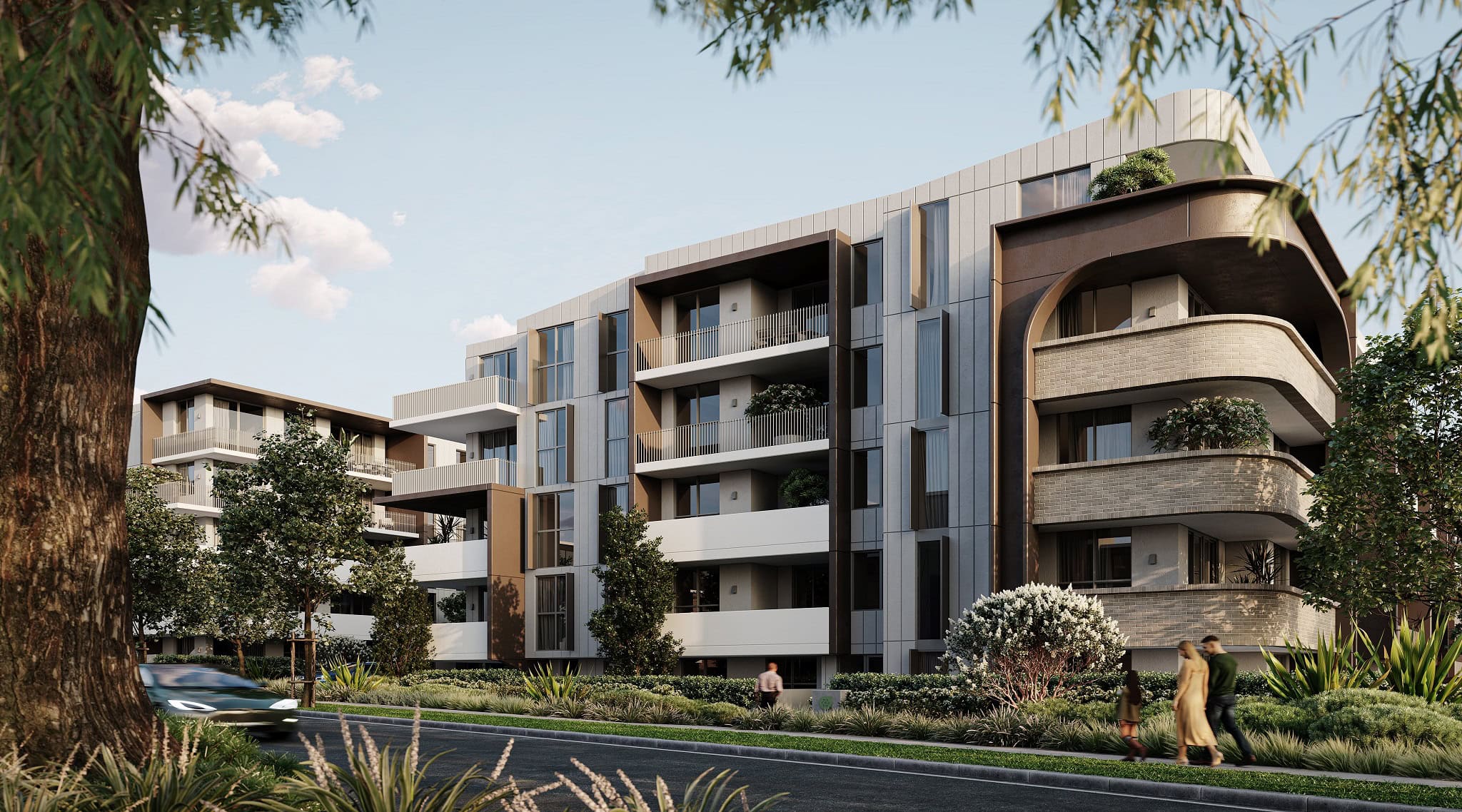
Drive 45 kilometres north-west out of Sydney, past Blacktown and Quakers Hill, and you hit a part of the city that has reinvented itself in less than two decades. The western edge of Schofields and neighbouring Colebee was paddocks and a single golf course in the early 2000s. Today it is wall-to-wall new builds, double-storey rendered homes, and young families pushing prams along streets that did not exist on a map ten years ago.
Colebee grew up around the Stonecutters Ridge golf estate. Schofields West sits inside the NSW Government's North West Growth Area, with thousands of new homes still being delivered. The Metro at Tallawong is a short drive away, the M7 is around the corner, and the community taking shape here is unmistakably new, multicultural, and still figuring out who it is.
Mortgage stress is real here. Many families bought at peak prices, watched rates climb, and now both parents work long hours to hold the house. Commute fatigue is the quiet weight on weekday evenings. Newer streets are full of neighbours who have never properly met. For migrant families, isolation from extended family overseas sits underneath everything, particularly for young mothers raising small children far from grandparents.
The anchors are the school gates, junior sport at Schofields Park, the Stonecutters Ridge clubhouse, and the temples and cultural associations that hold migrant communities together. The Schofields Community Centre and the new Ken Birdsey Park are quietly knitting people into something. None of it is glamorous. All of it is essential.
The demographic case is striking. More than ten thousand people, a median age of 33, families with children at 74.6 per cent, almost double the national rate, and a young adult share that matches the national figure in raw count terms. This is one of the most family-saturated communities in Sydney.
The cultural case is harder and more interesting. This is not a secular outer-suburb where the gospel competes with indifference. It is a deeply religious, deeply multicultural community where the gospel must be communicated with humility, clarity and cross-cultural fluency. The First Nations population at 6.7 per cent is also worth honouring, with Colebee itself carrying that history in its name.
The opportunity is to be a contemporary, English-speaking, Christ-centred community that genuinely belongs to this neighbourhood, that takes its families seriously, and that is unafraid of the cultural and spiritual diversity around it. The challenge is real. The opening is also real.
Schofields West and Colebee are not a typical secular Australian suburb. Only around 16 per cent of residents tick no religion, less than half the national figure. The area is overwhelmingly religious, just not Christian by majority. Hinduism, Sikhism and Islam carry significant weight alongside Catholic and Christian populations. The cultural posture toward faith is open and active, with religious practice woven into family life. The harder gospel question here is not indifference. It is whether the message of Jesus can land with families whose religious imagination is shaped by another tradition altogether.

Christian affiliation sits at 41.1 per cent, just under the national average, but actively gathered Christian community is much thinner. Catholic life centres on Mary Immaculate Parish at Quakers Hill-Schofields, a multicultural parish of nineteen-plus nationalities. New Light Anglican Church at Riverstone, formerly Life Anglican, has positioned itself deliberately for the South Asian migrant community with translated services. The closest Pentecostal-charismatic option is Hope Church Sydney, a Romanian-language congregation, with C3 Rouse Hill around ten minutes away.
Inside the western Schofields and Colebee bowl itself, contemporary English-speaking Pentecostal expression is essentially absent. A community of more than ten thousand people, three quarters of whom are raising children, with a strong young adult share, sits without a local contemporary church home of its own.
Cost of Living and Housing. Schofields West and Colebee are entry-cost areas for the north-west, but they are not cheap. Most homes are large four-bedroom new builds in master-planned estates, often with mortgages stretched by recent buyers. Stonecutters Ridge inside Colebee carries a premium for the golf-estate setting. Renting a family home is competitive and applications move fast.
Schools and Kids. Schofields Public School, Galungara Public School and St Joseph's Primary serve the younger end. A new Schofields High School is under construction with capacity for around 1,000 students when it opens. Norwest Christian College and Rouse Hill Anglican College draw families who want a faith-based option a short drive away.
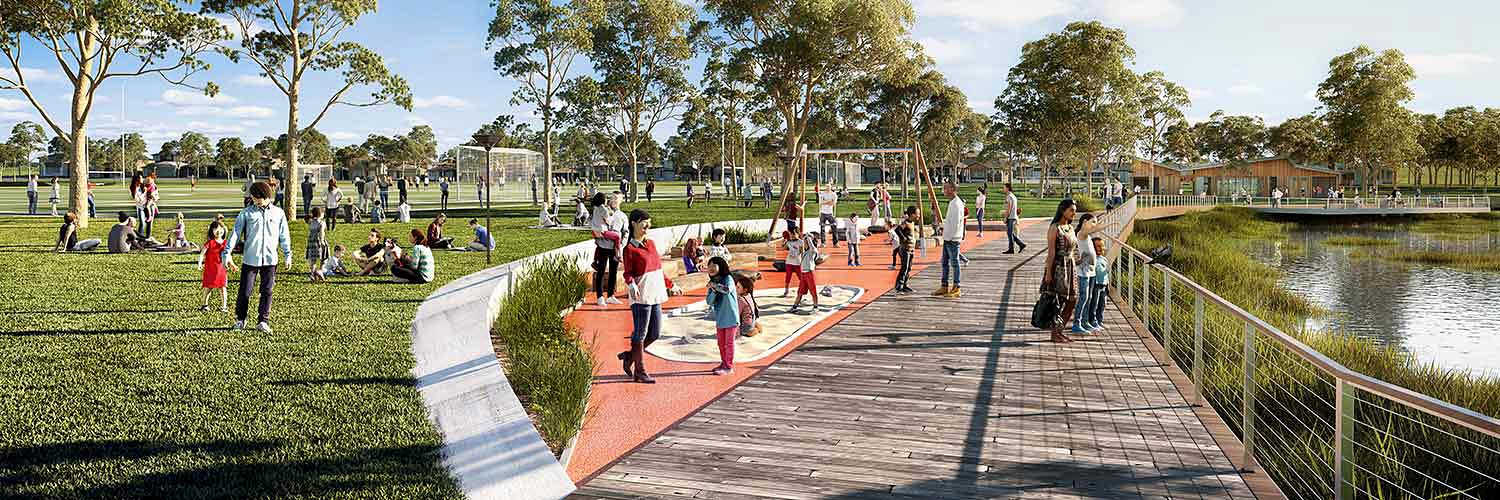
Weekend Life. Saturdays here are kids' sport, the Stonecutters Ridge clubhouse, and the slow grind of finishing landscaping in a new yard. Schofields Park hosts the Riverstone Schofields Junior Soccer Football Club and Schofields Cricket Club. Ken Birdsey Park, a 20-hectare recreation precinct on Sciberras Avenue with four sports fields, is opening shortly.
Town Centre and Vibe. Schofields Village Shopping Centre, anchored by Coles, is the local heart, sitting across from the upgraded train station. For bigger trips it is Rouse Hill Town Centre, Marsden Park's IKEA-Costco-Bunnings cluster, or Westpoint at Blacktown. The look and feel is brand-new suburbia: rendered facades, narrow lots, footpaths that still smell of fresh concrete.
Nightlife and Culture. Quiet by design. The Stonecutters Ridge clubhouse restaurant is a local fixture, and there are a handful of cafes around the station, but most evening life happens in homes, around extended family meals, or down at Rouse Hill for a movie and dinner.
Sydney CBD. Around 45 to 55 minutes by car off-peak, longer in traffic. By train via Schofields or Metro from Tallawong, around an hour door-to-door.
Tallawong Metro Station. Six minutes by bus from Schofields station, putting Chatswood within around 37 minutes and the CBD around 51 minutes on the Metro.
Norwest Business Park. 15 to 20 minutes by car. One of the largest employment hubs in north-west Sydney and a major commute destination for residents.
Blacktown. 15 minutes south via the M7, with Westpoint Shopping Centre, Blacktown Hospital and the heavy-rail interchange.
Rouse Hill Town Centre. 10 minutes by car. The main retail, dining and cinema destination, with the new Rouse Hill Hospital confirmed for the area.
Marsden Park retail belt. Five to ten minutes. IKEA, Costco, Bunnings and a fast-growing business park sit on the doorstep.
Saturday morning at Schofields Village, the queue at Coles is overwhelmingly young families. Mum and dad in their thirties, two or three kids, often a grandparent in tow. Hindi, Punjabi and Gujarati blend with English in the carpark. Across this part of north-west Sydney, the South Asian community has become the cultural centre of gravity. Hinduism is the most common religious affiliation locally, the Swaminarayan Mandir on Grange Avenue draws worshippers from across the region, and Indian, Pakistani, Sri Lankan and Nepalese families make up a significant share of new arrivals.
Layered through that is a long-standing Anglo-Australian and Eastern European presence inherited from the older Schofields and Riverstone village. First Nations residents make up a notably higher share of the population than most outer-Sydney areas, a thread connected to the suburb of Colebee itself, named after the Aboriginal man granted land in this district in 1816. The dominant adult is professional, mid-career, working in healthcare, IT, logistics, finance or trades, and stretched thin between a long commute, a young family and a recent mortgage.
Culturally curious, genuinely cross-cultural, comfortable around Hindu, Sikh and Muslim neighbours without either flinching or pretending the differences do not matter. Patient with newness. Comfortable with kids everywhere. Willing to learn names that are not Anglo and pronounce them properly.
A planter who needs a polished venue, a programmed nightlife scene, or a young-adults-only crowd will struggle. The fit is someone whose own family is in the thick of school runs and junior sport, who can host a barbecue for neighbours from four different countries and make it feel normal.