
Southbank is Melbourne's most vertical postcode. Sixteen thousand residents in glass towers between the Yarra and the West Gate, working in the CBD across the bridge. Average age thirty-one. Almost no children. Almost half claim no religion.
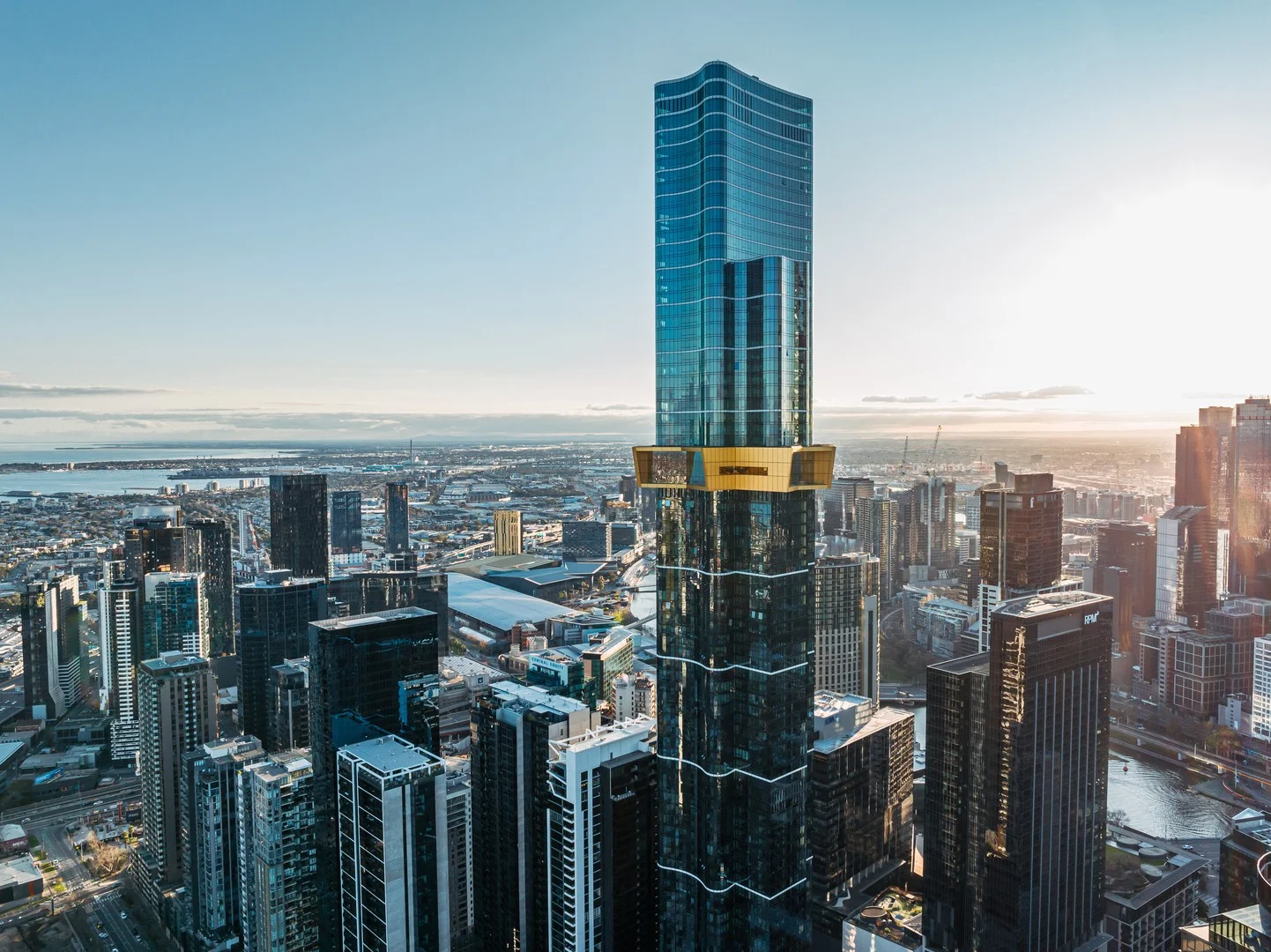
Cross Princes Bridge from the CBD and you're in Southbank. The Yarra at your back, NGV International on your left, the towers rising on every side. The eastern half of the suburb is Melbourne's arts precinct: Hamer Hall, Arts Centre Melbourne, the Victorian College of the Arts, Southbank Theatre, the Australian Ballet, the Melbourne Recital Centre.
Forty years ago this was warehouses and rail yards. Since the 1990s urban renewal program, it has become one of the densest residential neighbourhoods in the country. The eastern half is a $1.7 billion arts redevelopment site right now, with The Fox: NGV Contemporary rising on Sturt Street. Around it, the towers keep filling.
Loneliness is the dominant note. Single-person households, transient renters, international students far from family, hospitality workers on shift patterns that wreck weekends. The towers are full of people who are physically near each other and socially distant from each other. Mental health pressure runs high in this demographic. Mortgage and rent stress is real even on professional incomes, given Melbourne CBD prices. The arts sector that anchors the eastern precinct is still recovering from the long bruise of the COVID years.
The anchors are thin but real. The Boyd Community Hub on Sturt Street is the closest thing Southbank has to a town square: library, family services, playgroups, community spaces. The Sunday Market outside the Arts Centre. The promenade as a place where strangers walk past each other every weekend. Gym communities and yoga studios hold a surprising amount of weight here. So do workplace teams, which for many people function as their primary social world.
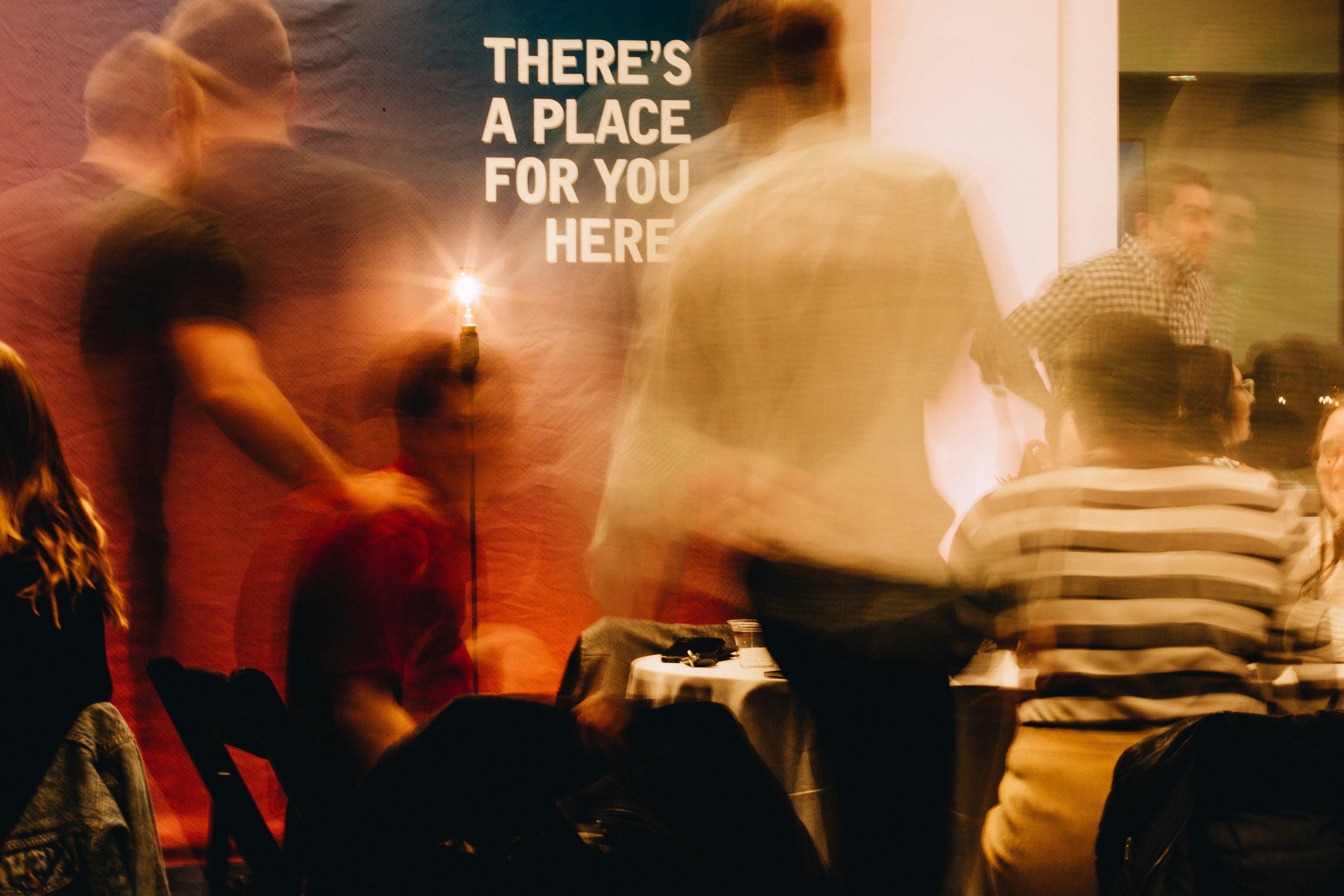
The numbers are striking. Almost six in ten residents are young adults. Half claim no religion. Sixteen thousand people compressed into a kilometre of towers, most of them at the most spiritually open life stage they'll ever be in: away from home, mid-twenties, building careers, asking questions about meaning and belonging in a city where the loudest cultural voices are art and ambition.
The cultural moment matters. The arts precinct is mid-transformation, the city is rebuilding its post-pandemic sense of itself, and a generation of CBD professionals is rethinking what they actually want from life. The existing Pentecostal and contemporary churches in the area are doing strong work at scale. What's underdeveloped is incarnational, neighbourhood-shaped ministry inside the residential towers themselves.
It will be hard. Transience is real. Disconnection is the default. People will join, fall in love with a community, and move to Hawthorn or back overseas inside a year. But the soil is open in a way few Australian postcodes are, and the city's young adult heart beats in this kilometre of glass.
Southbank is one of the more secular postcodes in the country. Nearly half of residents say they have no religion, well above the national figure, while Christian affiliation sits at around 27%, more than fifteen points below the national average. The combination of a young, mobile, professional population, high rates of overseas birth, and the cultural posture of the inner city produces a community where faith is mostly a private matter, often dormant, and rarely a topic of casual conversation. It is not hostile so much as genuinely unfamiliar with the church.

Southbank is unusual because it already has a globally significant Pentecostal presence. Planetshakers' Melbourne City Campus and its head office are both inside the suburb, and Planetshakers draws thousands every Sunday from across the city. Hillsong Melbourne City and C3 Church Melbourne both meet just across the river in West Melbourne, around ten minutes away. City on a Hill gathers in the CBD. The visible churches in this area lean toward large, high-production weekend services that pull in commuters from a wide catchment.
The gap that remains is at street level, not stage level. Sixteen thousand people live within a kilometre of each other in towers, mostly young, mostly transient, mostly disconnected from one another. The unmet need is not another Sunday production; it is sustained relational presence inside the residential blocks themselves. A church that can hold a Bible study in an apartment lobby, run a midweek dinner that international students keep returning to, and walk patiently with someone for the eighteen months they live here before the next move.

Cost of Living and Housing. Apartment living is the only option here. Towers run from one-bedroom investor stock around the half-million mark up to riverside penthouses well into the millions. Median weekly rent for a unit sits around $700. Around two-thirds of dwellings are rented. Owner-occupier rates are among the lowest in Melbourne. This is a transient, high-turnover housing market.
Schools and Kids. Children are rare. Just over one in ten households is a family with kids. There is no government primary school in the suburb itself; families typically use schools in Port Melbourne, South Melbourne or the City. The Boyd Community Hub on Sturt Street runs Maternal and Child Health, family services and playgroups for the small but real young-family contingent.
Weekend Life. Saturdays are the Yarra promenade, brunch at one of the riverside cafes, the Sunday Market on St Kilda Road outside the Arts Centre, a gallery hour at NGV International. Tennis at Melbourne Park is a tram stop away. The MCG is across the river. Boyd Park and the strip of City Road parks give the few dogs and toddlers somewhere to run.
Town Centre and Vibe. The Southbank Promenade is the spine. Restaurants, hotels, the casino, the bridges back across the Yarra. The streets behind the river, on Sturt and City and Kavanagh, are pure vertical residential. The eastern arts precinct is currently a construction site as the $1.7 billion transformation builds Laak Boorndap and The Fox: NGV Contemporary.
Nightlife and Culture. This is where culture lives in Melbourne. Hamer Hall for the MSO, the State Theatre for opera and ballet, Southbank Theatre for the MTC, the Melbourne Recital Centre, the Malthouse, ACCA. Crown is two minutes' walk for those who want it. The bars run from rooftop cocktails at the Eureka end down to Irish pubs and basement whisky lounges.
Melbourne CBD. Walk across Princes Bridge in five minutes. Most residents don't even own a car for the daily commute.
Flinders Street Station. Across the bridge, around a seven-minute walk. Trams run along St Kilda Road and City Road through the suburb in every direction.
Melbourne Park and the MCG. Ten minutes by tram or fifteen on foot. Australian Open, AFL, cricket, all of it walkable.
Melbourne Airport. Around 25 minutes by car off-peak via the Tullamarine Freeway, slightly longer in traffic.
St Kilda and Port Melbourne beaches. Fifteen to twenty minutes by tram down Light Rail or the 96 from St Kilda Road.
The Royal Melbourne and Alfred hospitals. The Alfred is around ten minutes by car or tram down Commercial Road. Royal Melbourne is across the river in Parkville.
Step out of any tower lobby on a Tuesday morning and you'll see the Southbank crowd: a young professional in earphones heading to a CBD office, an international student carrying a laptop bag toward Victorian College of the Arts or RMIT, a hospitality worker on the late shift coming home, a finance contractor on a year's secondment from Singapore. Almost six in ten residents are aged 15 to 34. The median age is 31. Children are scarce; couples without kids and single-person households dominate. A high share of residents were born overseas, with strong representation from China, Malaysia, India and the UK.
The arts precinct adds another layer. VCA students, dancers training at the Australian Ballet School, musicians rehearsing at the Recital Centre, theatre crew working back-of-house at the Arts Centre. Crown casino employs a small army of hospitality staff, many of whom live within walking distance. Then there are the investor-owned apartments cycled through Airbnb and short-stay platforms, which means a meaningful slice of the people in any given building this week won't be there next week. It's a community where neighbours often don't know each other's names, and where the question of who actually lives here, versus who just sleeps here, is genuinely open.
City-comfortable, apartment-comfortable, hospitality-rhythms-comfortable. At ease with international students, hospitality workers and arts professionals. Cultural curiosity is non-negotiable: a planter who can talk theatre, music and visual art will land here in a way someone who can't, won't.
Patient with transience. Willing to disciple people who will move within two years. Comfortable with small numbers, slow growth, and a pastoral load weighted toward loneliness, anxiety and identity questions. Not someone needing a backyard or a school-gate community to feel at home.