
Three kilometres south of Sydney's CBD, Waterloo is one of Australia's most concentrated young-adult populations: forty-seven per cent aged 15 to 34, gentrifying fast around a new Metro station, while the country's largest inner-Sydney public housing estate sits in the middle of it all.
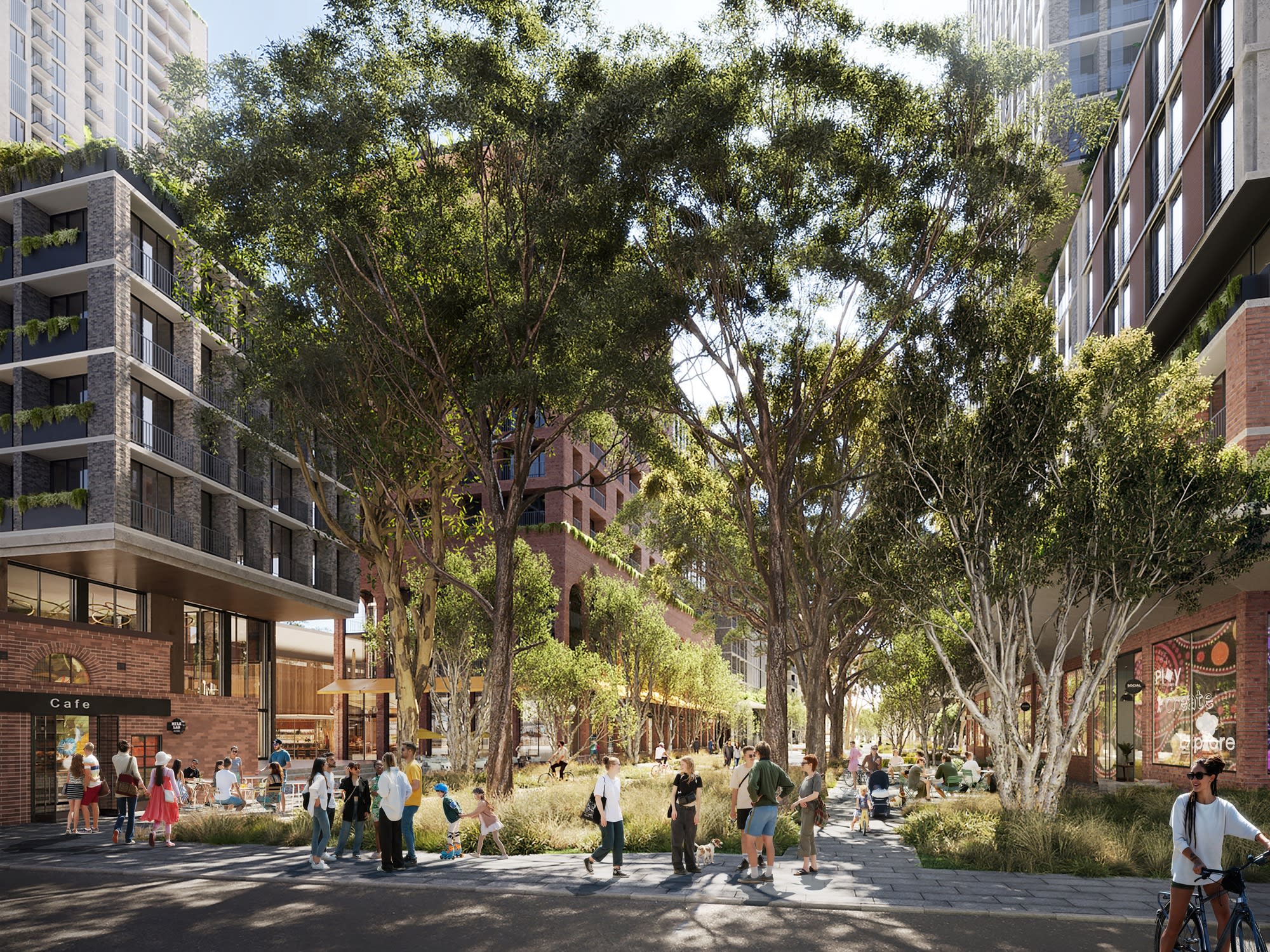
Waterloo is two suburbs stacked on top of each other. One is the historic working-class heart of inner Sydney, home of the Eveleigh rail workshops, the labour movement and the largest public housing estate in the inner city, where towers built from the 1950s to the 1970s still rise above the terraces. The other is brand-new: glass apartments around Green Square, a Metro station that opened in August 2024, and the long-running redevelopment of the Waterloo Estate that will eventually deliver 6,800 new homes.
Three kilometres south of the CBD, this is the inner city in transition. Construction cranes, public housing residents who have lived here forty years, Mandarin-speaking professionals in new towers, students from across the world, and a long-standing LGBTQ+ presence all share the same handful of streets.
The pain points are inner-city specific. Loneliness is real in towers full of one-bedroom apartments where neighbours don't know each other's names. Housing stress runs through both private renters paying for proximity and public housing tenants facing decades of upheaval as the estate is rebuilt around them. Mental health, addiction and homelessness are visible on the streets that connect Waterloo to Redfern. And the gentrification gap between long-term residents and recent arrivals is widening, not closing.
The anchors are quieter than in suburban Sydney. Green Square Library and Plaza has become a genuine third place where students study, parents meet and elderly residents sit out of the heat. Sydney Park draws everyone who has a dog or a picnic blanket. Community-run organisations on the public housing estate, the local primary school, and the long-standing LGBTQ+ social calendar each hold a piece of the social fabric together.
The demographic case is unusually strong. Forty-seven per cent of Waterloo is aged 15 to 34. Over half tick no religion. Three-quarters rent. The suburb is filling with apartments faster than almost anywhere else in Sydney, the Metro has just opened, and tens of thousands more residents will arrive as the Waterloo Estate and Green Square pipelines complete over the next decade.
The cultural moment is also right. Inner Sydney has been talked about for years as post-Christian and indifferent, but the loneliness, mental-health pressure and identity searching of young apartment-dwellers is creating real spiritual hunger. People are reading, listening, asking. They are not walking into a traditional Sunday service, but they are open to conversations that take their questions seriously.
It will be hard. Inner-city ministry is slow, expensive, and high-turnover. Discipleship has to happen mid-week and across a transient population. But for a planter willing to live among the people they're called to and to play a long game, Waterloo is one of the most strategic addresses in Australia: young, lost, gathering, and within walking distance of a Metro that has just changed the geography of inner Sydney.
Just over half the suburb ticks no religion on the census, well above the national figure of thirty-nine per cent, while Christian affiliation sits at twenty-nine per cent against a national forty-four. Waterloo is a young, mobile, university-educated population in inner Sydney, the demographic where institutional religion has fallen furthest and fastest. Most residents under thirty-five have grown up post-Christian by default. They are not hostile so much as unfamiliar. Faith is something they have read about, met in a friend, or never seriously considered. Buddhism and Catholicism remain the largest identifiable religious groups, reflecting the Chinese, Irish and Latin American migrant communities woven through the suburb.

Waterloo already has visible Christian presence. Hillsong's City Campus on Young Street has been the Pentecostal anchor in inner Sydney for decades, with a strong young adult and creative reach. Grace City Church on Bourke Street is a contemporary evangelical Anglican plant founded in 2014, now around 500 strong across three Sunday services and currently moving to a larger Rosebery site. The Salvation Army and a Uniting Church operate in the social-housing space. Catholic, Anglican and historic Protestant parishes round out the picture.
The gap is not a shortage of churches in the abstract. It is the sheer scale of the unreached young adult population sitting between the existing churches: more than seven thousand people aged 15 to 34 in this suburb alone, plus the surge of new residents arriving as the Metro Quarter and Waterloo Estate redevelopment land thousands more apartments over the next decade. There is room for a Spirit-filled, contemporary, culturally fluent expression of church that can reach the apartment-dwelling, post-Christian, internationally diverse young adult who isn't already in a Hillsong seat.
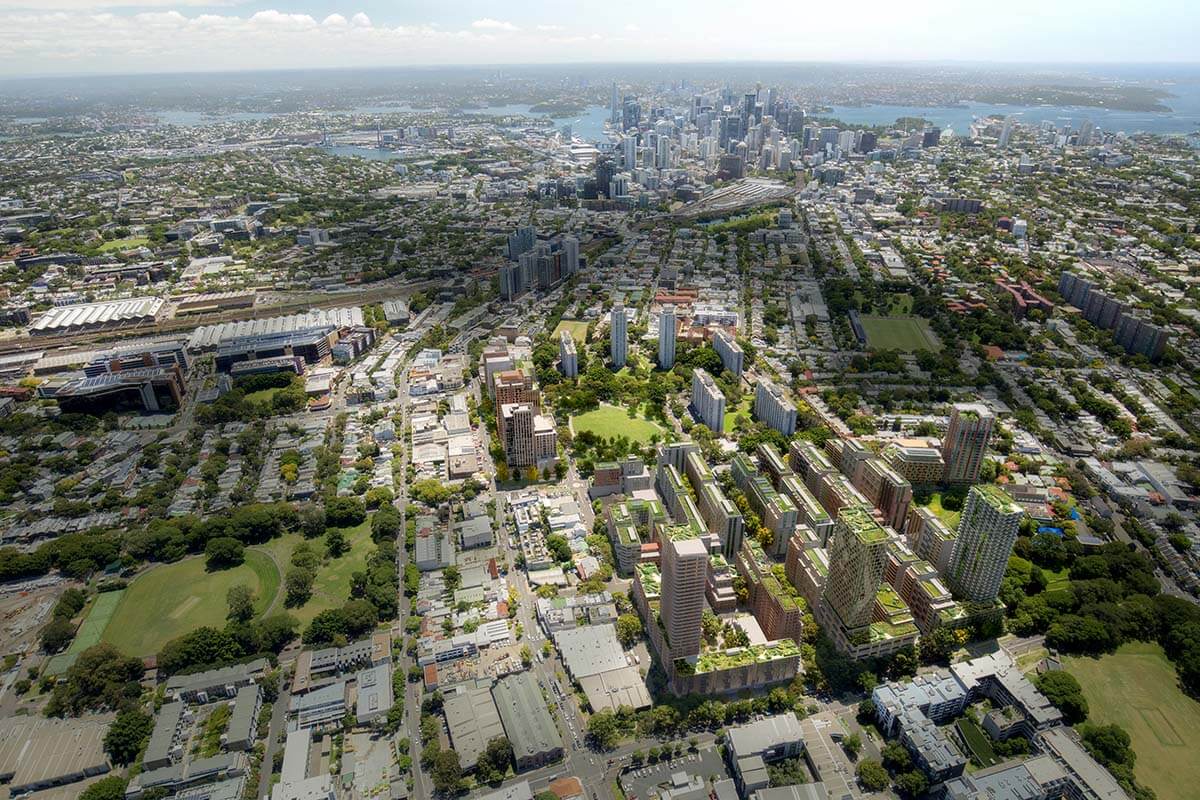
Cost of Living and Housing. Waterloo is an apartment suburb. The median unit price sits around $975,000 and over three-quarters of private dwellings are rented, so most newcomers are tenants paying inner-city rates. Alongside the private market, the suburb contains the largest public housing estate in inner Sydney, which gives the streetscape a social mix you don't see in many gentrifying postcodes.
Schools and Kids. With under fifteen per cent of households containing children, Waterloo is not built around school runs. Families typically use the local public primary and the Catholic school in the area, with most secondary options sitting in surrounding suburbs. Childcare and small-scale playgroups have grown around the Green Square redevelopment as more young families move in.
Weekend Life. Saturdays here look like brunch on Danks Street, a walk through Sydney Park or The Drying Green, and the gravitational pull of Green Square Library and Plaza, which has become a place to read, work or just sit. The Waterloo Skate Park draws teenagers from across the inner city. Sundays are quieter, but the cafes are full.
Town Centre and Vibe. There isn't one main street so much as a constellation: Botany Road, Danks Street, the Green Square town centre to the south, and the new Metro Quarter rising above the station. Old industrial buildings have become offices, breweries and design studios. The character is layered and unpolished. Renewal in progress.
Nightlife and Culture. Surry Hills sits a short walk north and the CBD is fifteen minutes by Metro, so most evenings out happen close by rather than in Waterloo itself. Within the suburb you'll find craft breweries, a strong independent cafe scene, and a long-standing LGBTQ+ presence with community-led events woven into the calendar.
Sydney CBD. Three to four kilometres north. Around five minutes by Metro from Waterloo Station, ten minutes by train from Green Square or Redfern, fifteen minutes by bicycle along the Bourke Street Cycleway.
Sydney Airport. Eight kilometres south. Around fifteen minutes by car or a direct ride on the T8 Airport line from Green Square, which makes Waterloo unusually well placed for international workers and travellers.
University of Sydney and UTS. Both within walking distance or a short bus or train ride. UNSW and the Australian Technology Park sit just to the east and south. The result is a constant flow of students through the suburb.
Royal Prince Alfred Hospital. Around four kilometres west in Camperdown, ten minutes by car. St Vincent's in Darlinghurst is closer still.
Coogee and the Eastern Beaches. Fifteen to twenty minutes by car or bus, putting Sydney's surf coast within easy reach of a weekday afternoon.
Moore Park and the SCG. A short bus ride or walk east. Allianz Stadium, the Sydney Cricket Ground and the Entertainment Quarter are all within a couple of kilometres.
On a weekday morning the platform at Green Square fills with people in their twenties and thirties heading north. Mandarin and English mix at the coffee queue. The dominant story here is young adult: forty-seven per cent of residents are aged 15 to 34, a figure roughly twice the national average. They are renters, students, early-career professionals, designers and creatives drawn by proximity to the city and the new towers around Green Square. Just over a third of residents were born in Australia. China is the largest country of birth after Australia, followed by England, New Zealand, Ireland and Brazil.
The other Waterloo lives in the public housing towers on the western side of the suburb. Long-term tenants, many of them older, many from culturally and linguistically diverse backgrounds, with a higher proportion of Aboriginal and Torres Strait Islander residents than the surrounding inner city. Single-person households outnumber families with children. The suburb is also a long-standing home for Sydney's LGBTQ+ community. The result is a population that is young, transient, internationally connected and deeply unequal in the same square kilometre.
Urban native. Comfortable with apartment density, high foot traffic, and a congregation where most people will move on within five years. Culturally fluent across Anglo-Australian, Chinese-Australian, international student and LGBTQ+ Sydney. Theologically clear and personally warm. Patient with slow, deep conversations rather than reliant on big crowd moments.
What won't work here is a suburban family-church template imported into the inner city. Waterloo is not a school-gate community. It is a community of small flats, late-night work, share houses, dating and starting out. The planter who thrives is one who can sit in a Botany Road cafe at 9pm and disciple one twenty-six-year-old at a time, while building toward a Sunday gathering that feels worth crossing the city for.