
Wollert was farmland a decade ago. Now it's one of Melbourne's fastest-growing suburbs, a sea of new estates filling the gap between Epping and Mernda with young families, new arrivals and brand-new streets still finding their identity.
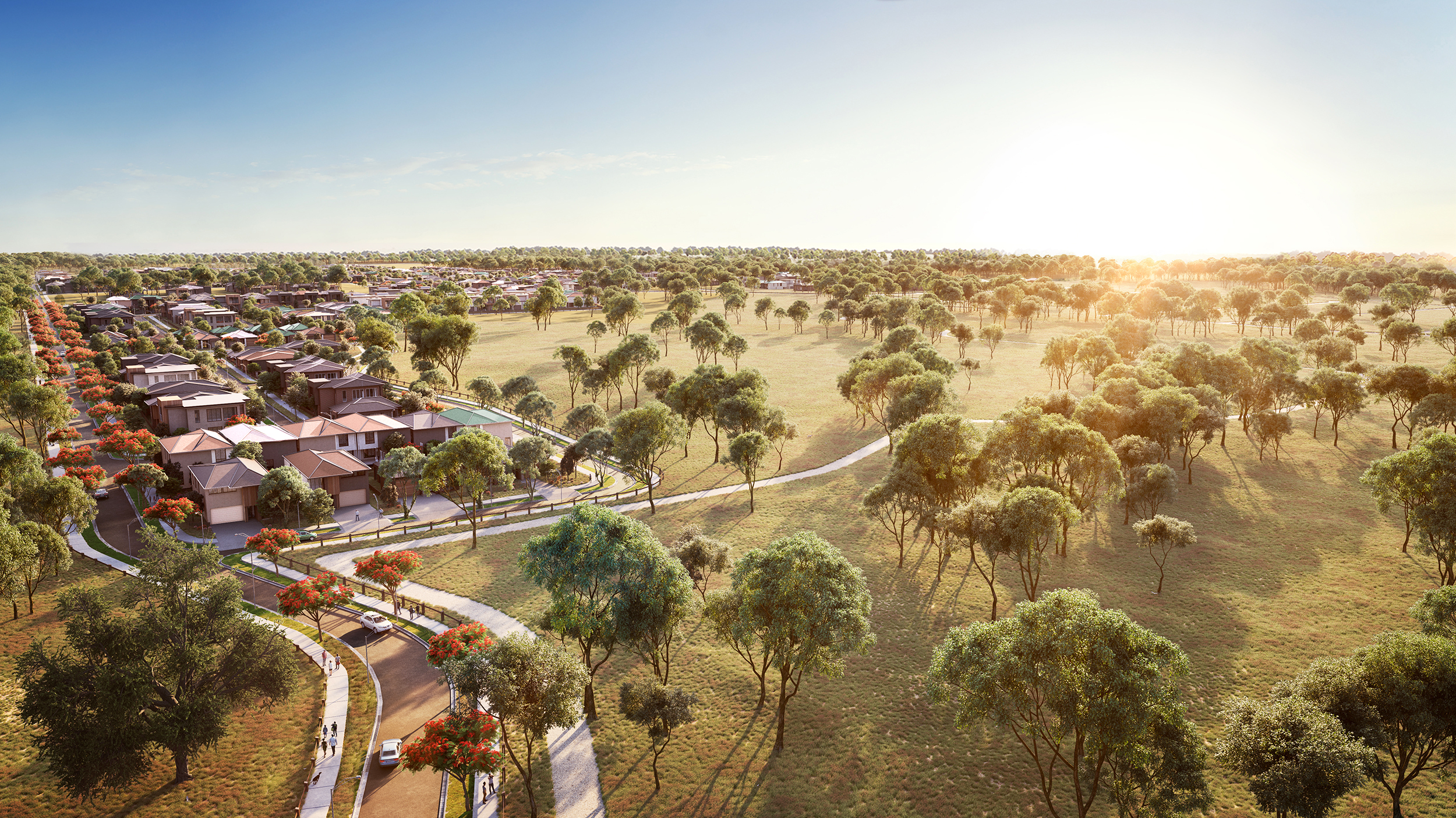
Drive 26 kilometres north of the Melbourne CBD, past Epping, and you hit the front line of Melbourne's northern expansion. Wollert was sheep country and dairy farms until the early 2000s. Today it's one of the suburbs the Victorian Government has earmarked to absorb the next wave of growth, alongside Donnybrook and Woodstock.
Bulldozers are still turning paddocks into subdivisions. The Epping Road duplication is widening the spine that runs through it. A new $16 million community centre is on the way. And the people moving in, mostly young families chasing affordable land within reach of the city, are still working out what kind of community Wollert wants to be.
The pressures here are the pressures of a suburb that grew faster than its services. Mortgage stress is real, and rising rates have hit hard for families who stretched to buy. Traffic on Epping Road grinds through peak hour despite the duplication. Families with young kids are isolated from extended family who may live across the city or overseas. Many neighbours moved in last year and still don't know each other's names.
The anchors are still being built. School gates and junior sport are doing most of the social work. The Kirrip Hub offers a small library and storytime. The new community centre, when it opens, will matter enormously. Until then, the most consistent gathering points are the local playgrounds, the parkrun-style walking trails along the creeks, and the multicultural celebrations the council runs through the year.
Wollert carries almost every marker of a strong planting opportunity. A growth rate of 21.9% per year, more than 16 times the national average. A median age of 30. Two thirds of households are families with children. Young adults aged 15 to 34 make up nearly a third of the population. The suburb is adding thousands of residents annually and is forecast to keep doing so for the next decade.
The cultural moment is unusual and precious. Wollert is not a secular suburb. It's a multi-faith suburb where spirituality is normal and Christian identity is held by one in three residents but largely unconnected to a local Sunday gathering. That combination, high openness to faith, no contemporary church inside the suburb, and a population still actively forming its sense of community, is rare.
The challenges are real. Mortgage stress, time-poor parents, long commutes and the sheer churn of a brand-new community make consistency hard to build. But for a planter willing to sit in the suburb for ten years and grow up alongside it, Wollert offers something most established suburbs never will: the chance to be present from the beginning.
Wollert's spiritual profile reads differently to the national picture. Christian affiliation sits at 34.6%, lower than the national 43.9%. But the headline is that only 12.3% of residents identify as non-religious, well below the national 38.9%. The gap is filled by other faiths: large Hindu, Sikh, Muslim and Buddhist communities mirroring the suburb's migration story. This is not a hostile-to-faith suburb. It's a suburb where faith is normal, expected and culturally embedded, just often not Christian.

The verified Pentecostal and charismatic options sit outside Wollert proper, in Epping, South Morang and Mernda, each around 10 minutes by car. For a young family without a strong existing church connection, that distance is enough to make Sunday attendance an active choice rather than a default. Inside the suburb itself, the historic Wollert Methodist Church was relocated to Mernda in 2022 and the original site is gone. There is no contemporary, English-language Pentecostal church physically located within the Wollert estates.
The gap is a Sunday gathering that genuinely belongs to Wollert: that meets in a Wollert school hall or community centre, draws from the young families and migrant Christian communities already living in the new estates, and doesn't ask people to drive past three other suburbs to get there.
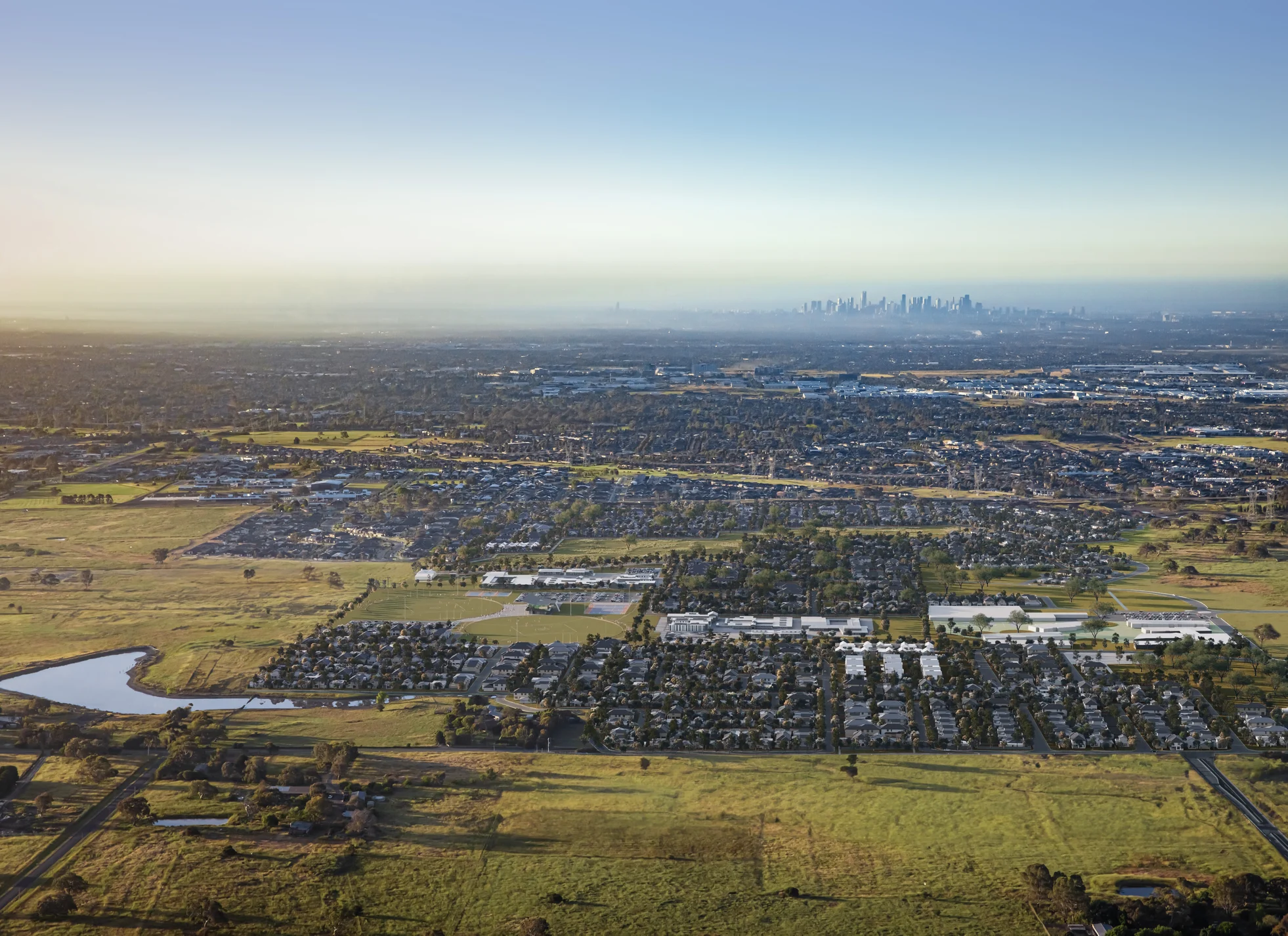
Cost of Living and Housing. Wollert is one of the more affordable house-and-land markets within commuting range of central Melbourne, which is exactly why it's filling so fast. Most homes are new builds in master-planned estates like Aurora and Mason Quarter. The trade-off is mortgage size: buyers have stretched into seven-figure territory and now feel every rate movement.
Schools and Kids. The school landscape is being built in real time. Wollert East Primary and the newly opened Umarkoo Primary anchor the suburb, with more schools planned as the population grows. Early learning centres have multiplied alongside the estates. Secondary students currently travel into surrounding suburbs.
Weekend Life. Saturday morning belongs to the sports ovals, the playgrounds and the walking trails along Edgars Creek and Merri Creek. Junior soccer, cricket and AFL run through the council's Active Whittlesea programs. Conservation reserves still hold remnant River Red Gums, a reminder of the country this used to be.
Town Centre and Vibe. Wollert doesn't yet have a finished town centre. Most shopping happens at Epping North Shopping Centre or Pacific Epping just down the road. The Kirrip Hub provides a small library service and storytime sessions. The new $16 million multi-purpose community centre, when it opens, will be the suburb's first real civic anchor.
Nightlife and Culture. Nightlife is essentially non-existent within Wollert itself. Residents drive to Epping or South Morang for restaurants and entertainment, or push into the inner north for a bigger night out. Cultural life shows up instead in the home, in extended-family gatherings, and in the multicultural festivals run through the City of Whittlesea.
Melbourne CBD. Around 26 kilometres south. Peak-hour drive runs 45 to 60 minutes via the Hume Freeway or Plenty Road. Off-peak it's closer to 35.
Epping and Pacific Epping. 10 minutes south. The closest full-service shopping centre, supermarkets, medical and the major retail people actually use day-to-day.
Northern Hospital, Epping. 10 to 15 minutes. The major public hospital for Melbourne's north and the closest emergency department.
Mernda Train Station. Around 10 minutes east. The end of the Mernda line into the city. Wollert itself has no rail station, which shapes the commuter rhythm of the suburb.
Melbourne Airport. 25 to 30 minutes via the Hume Freeway and the Craigieburn Bypass.
La Trobe University, Bundoora. 25 minutes south. The closest major tertiary campus and a draw for the suburb's young adult population.
Saturday morning at one of Wollert's new playgrounds, the carpark fills with prams, scooters and parents in their thirties balancing takeaway coffees. This is a young-family suburb in the most literal sense. Two thirds of households are families with children. The median age is 30. Tradies, healthcare workers, retail managers and office commuters who priced out of inner Melbourne and decided Wollert was where they could buy their first home.
Culturally, Wollert is one of the most diverse suburbs in Melbourne's north. The City of Whittlesea has invested heavily in multicultural programming, including for the area's Indian and Arabic-speaking communities, and that mix shows on every street. The First Nations population sits well above the national average at 6.5%, a meaningful presence on Wurundjeri country. Many residents are first or second-generation migrants. The streets feel new, the neighbours are still introducing themselves, and almost everybody has arrived in the last few years.
Cross-culturally fluent. Comfortable with Indian, African and Middle Eastern households, comfortable in homes where English is a second language, comfortable around food they didn't grow up with. Patient with the slow work of helping new neighbours become old friends.
Young-family life-stage or close to it. Energy for prams, school drop-offs and Saturday sport. Willing to plant in a school hall or community centre for the long haul. Not chasing a quick win.